John T Stevens House
- Kershaw, SC
- $1,175,000

5 Beds 4 Baths 7,330 Sq.Ft.
Year Built
Total Bedrooms
Total Bathrooms
Living Space
Lot Size
Garage Spaces
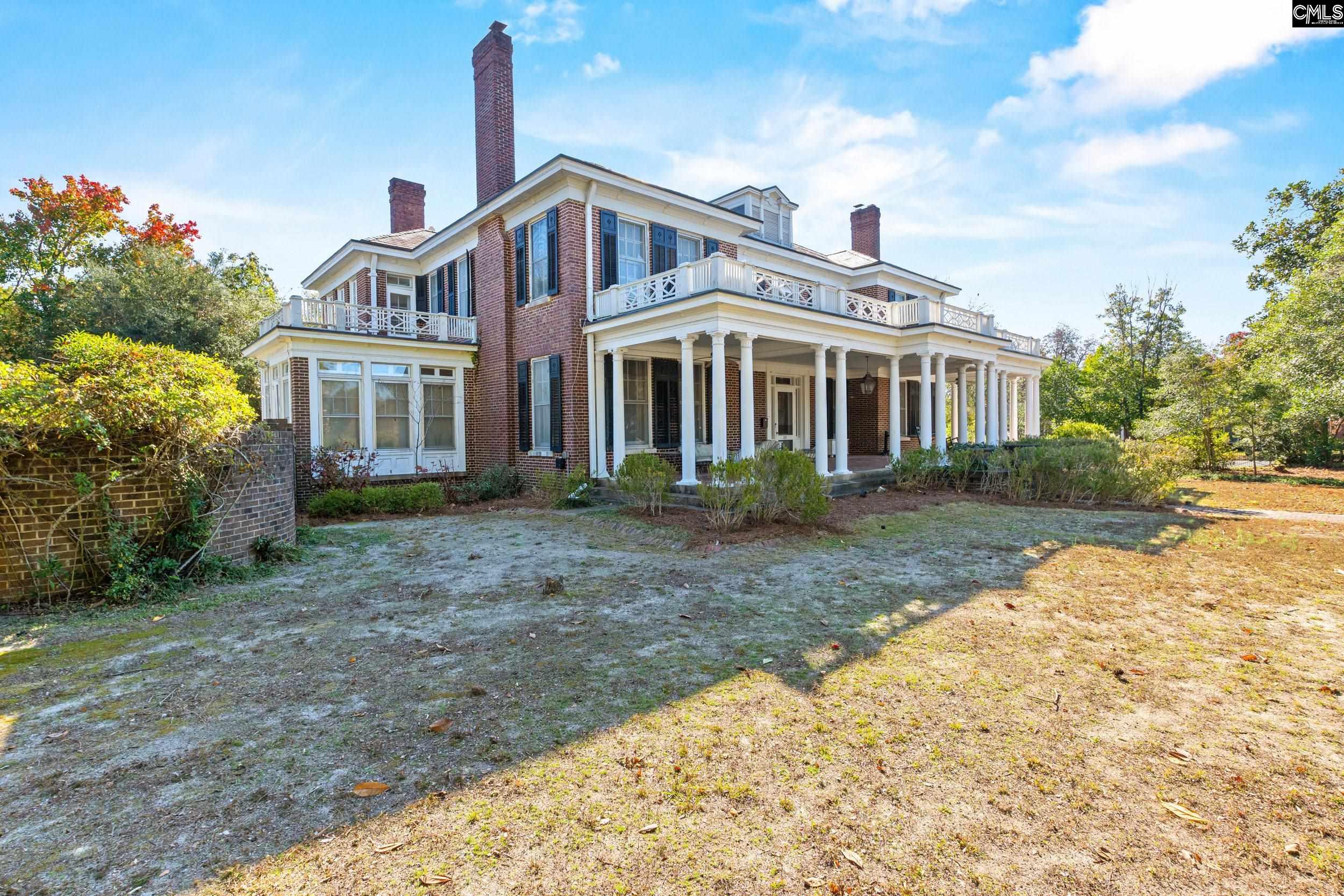
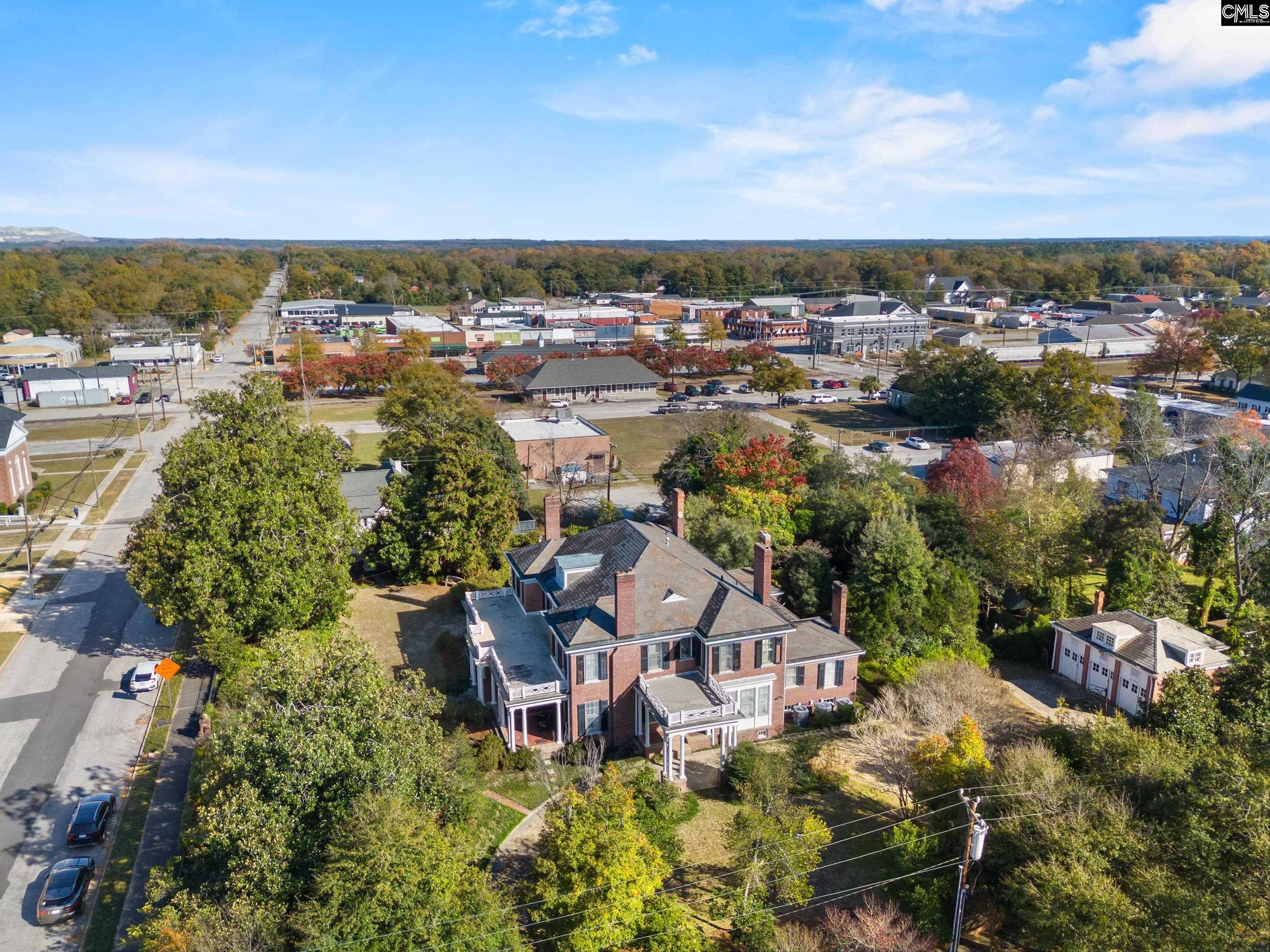
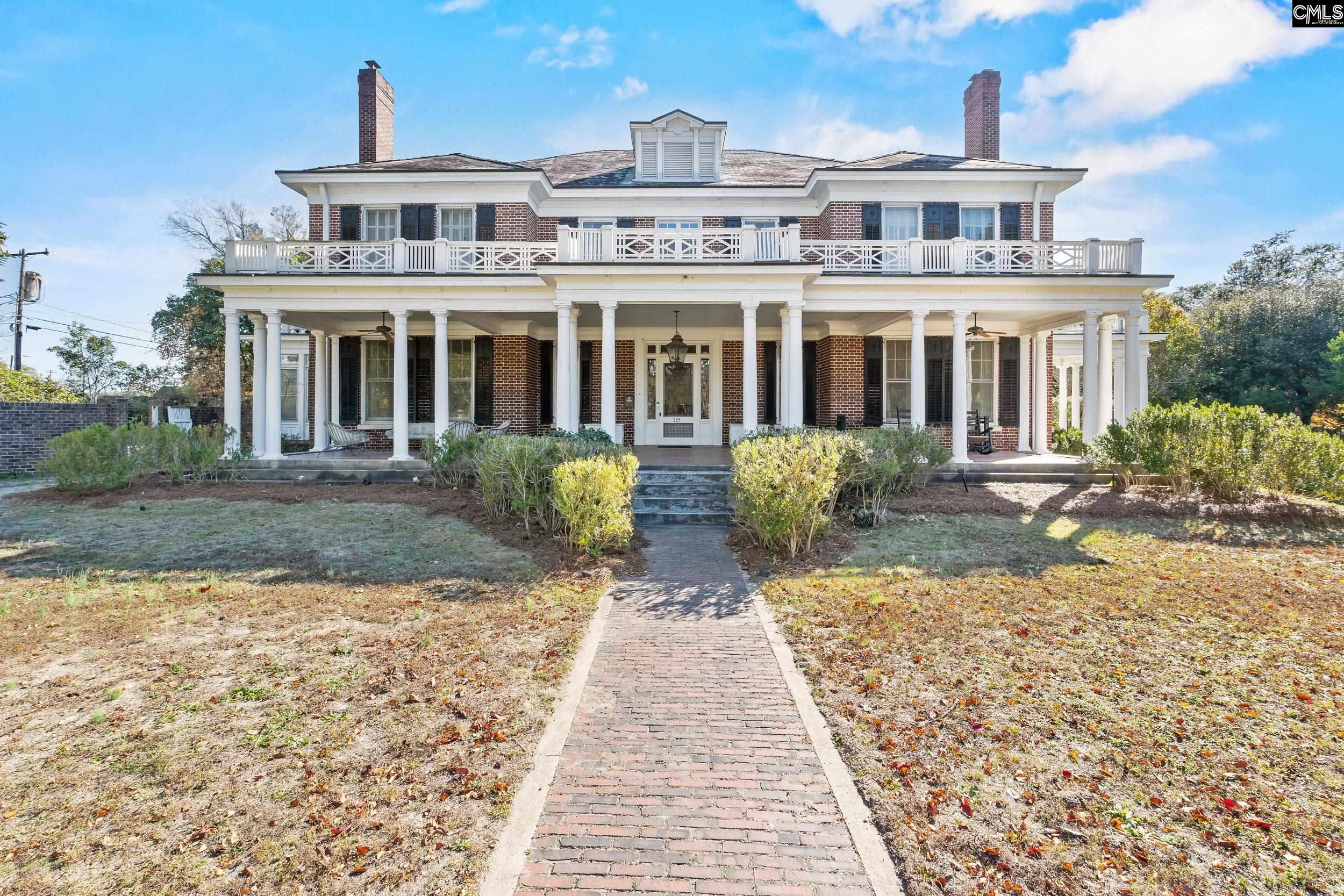
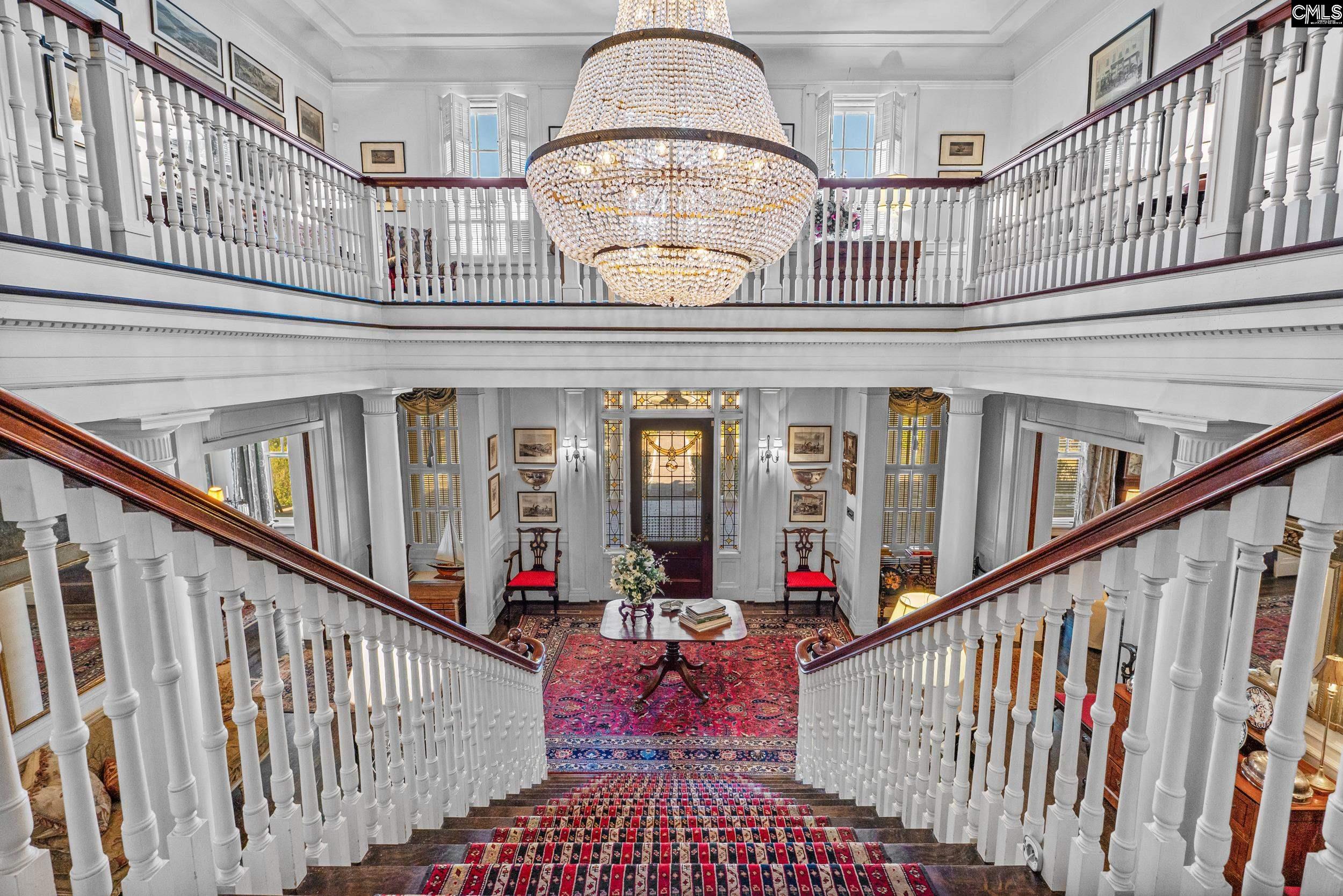
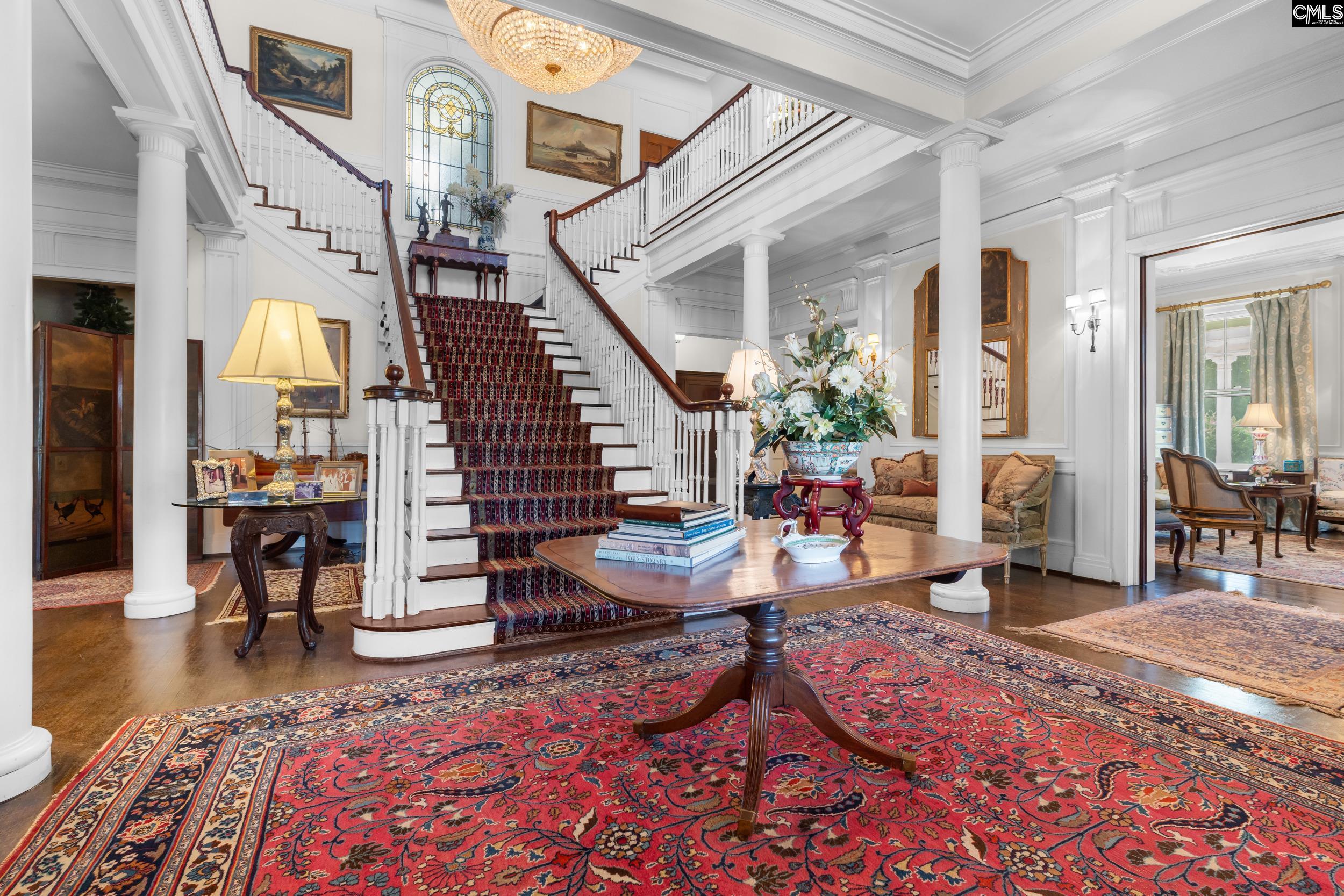
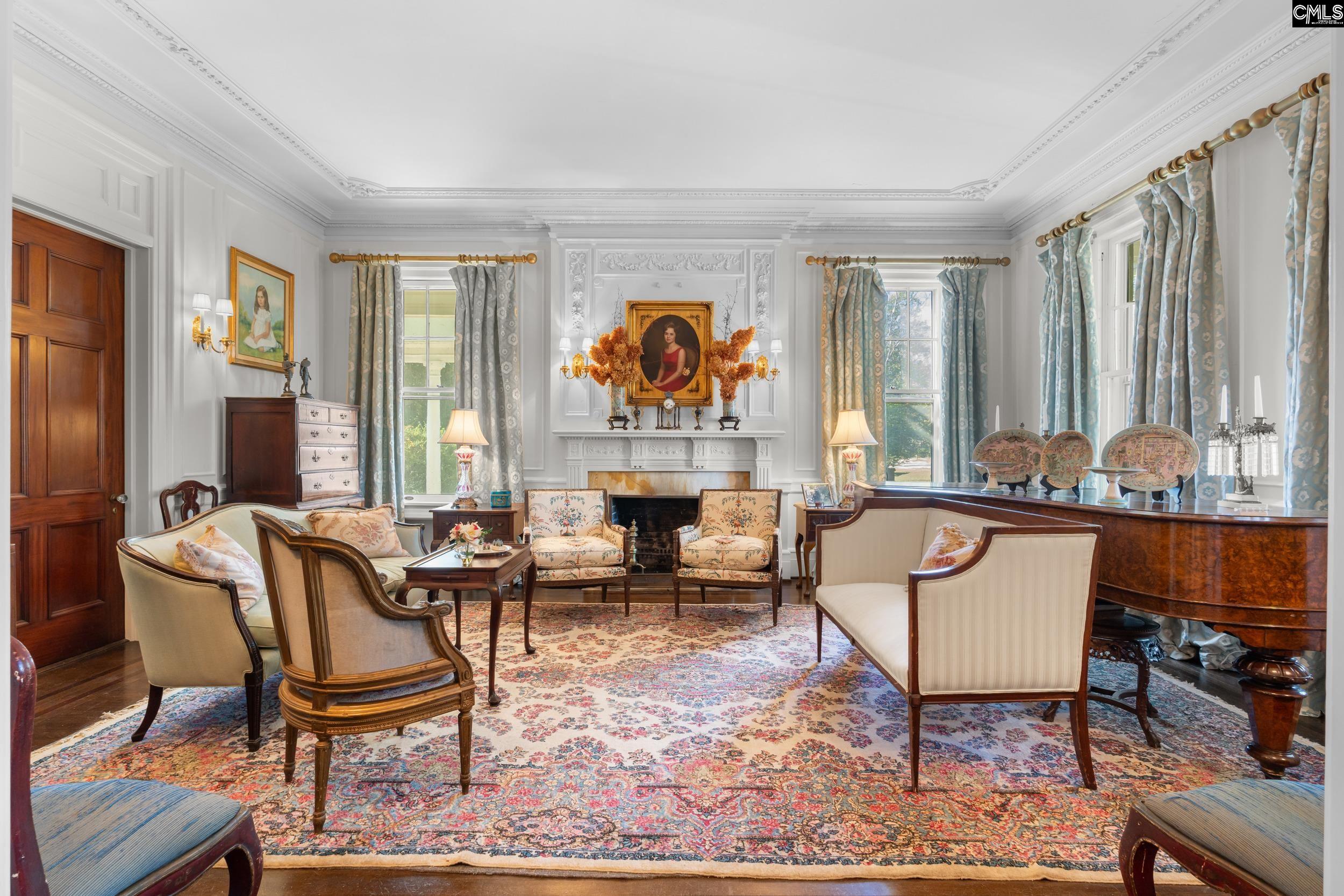
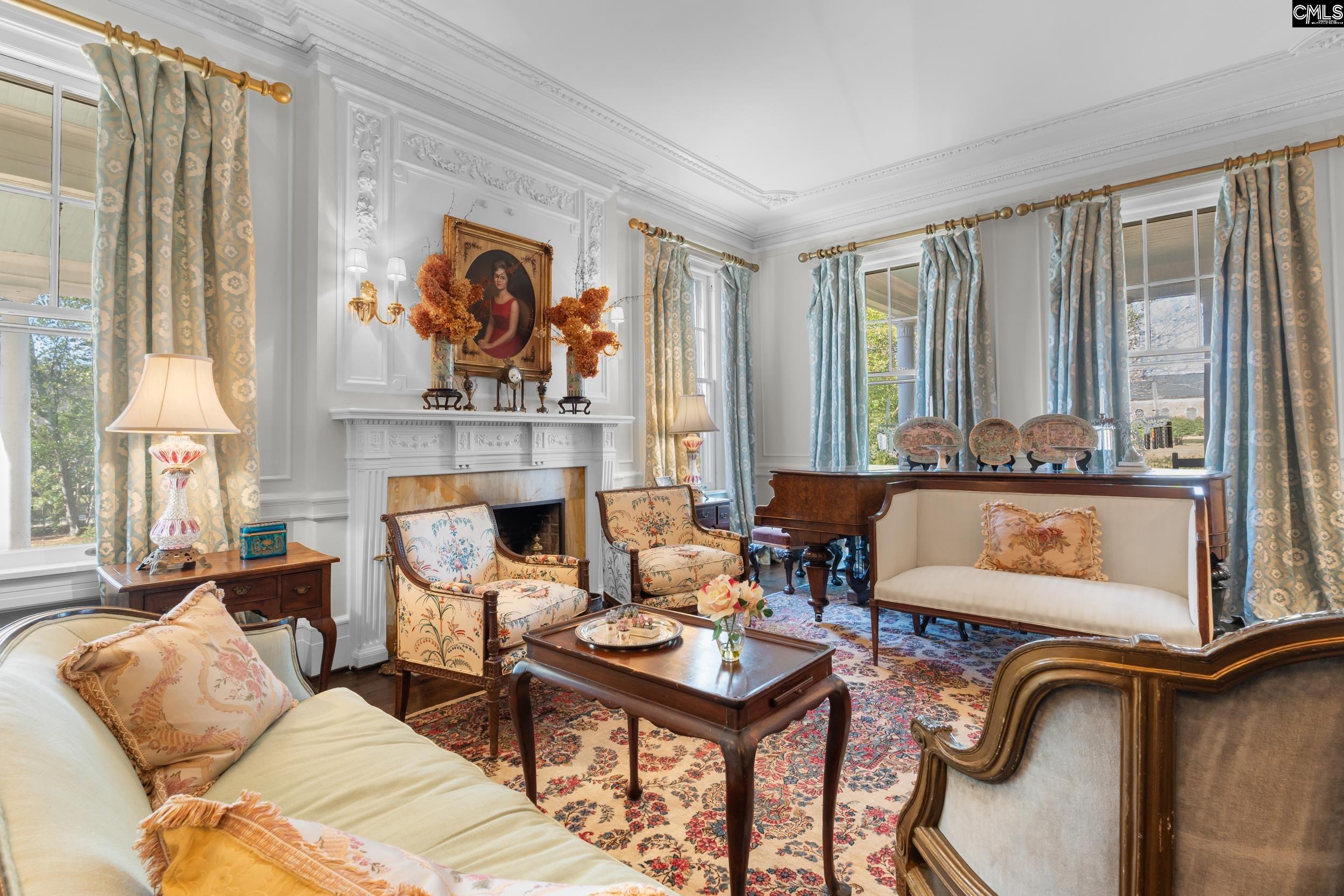
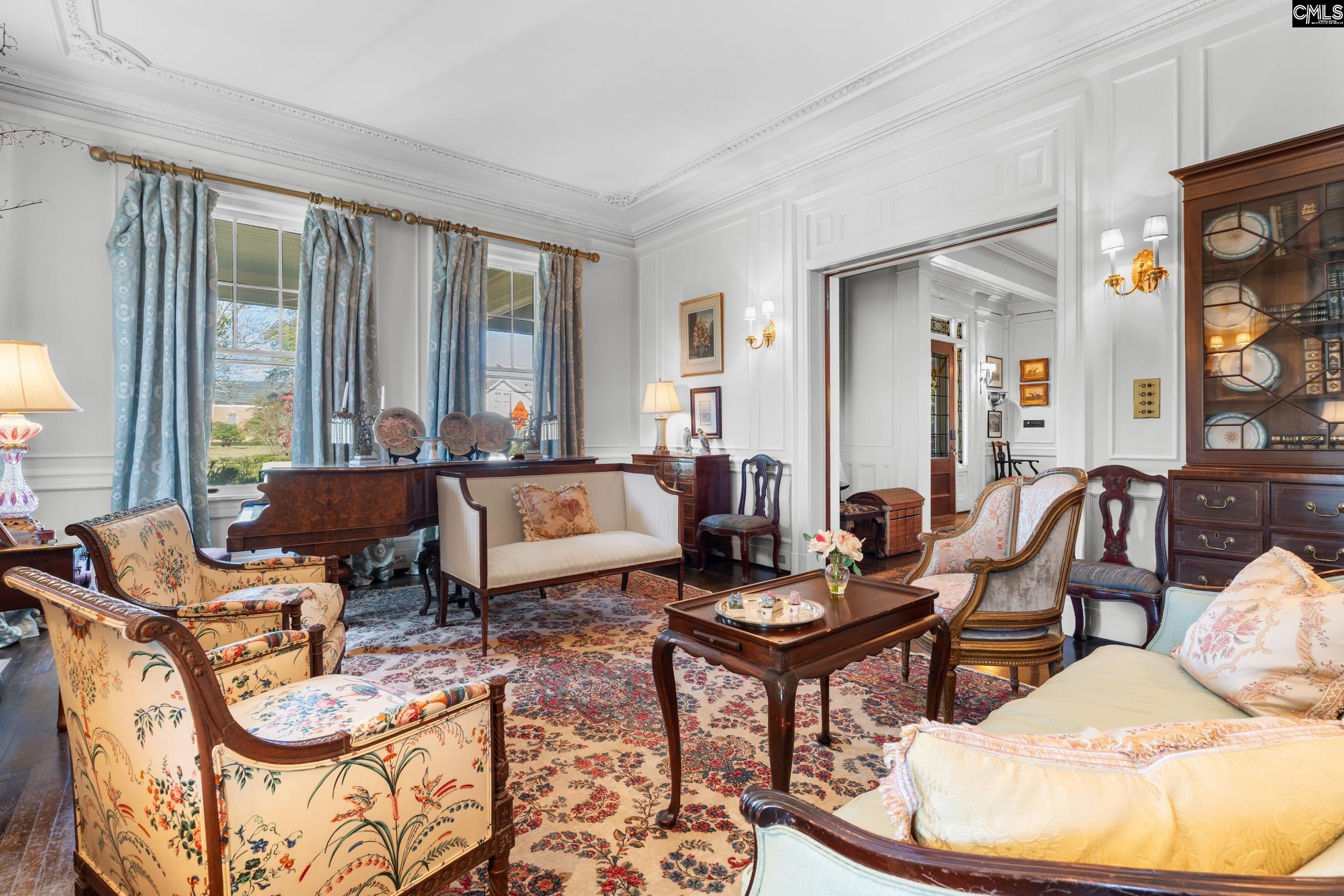
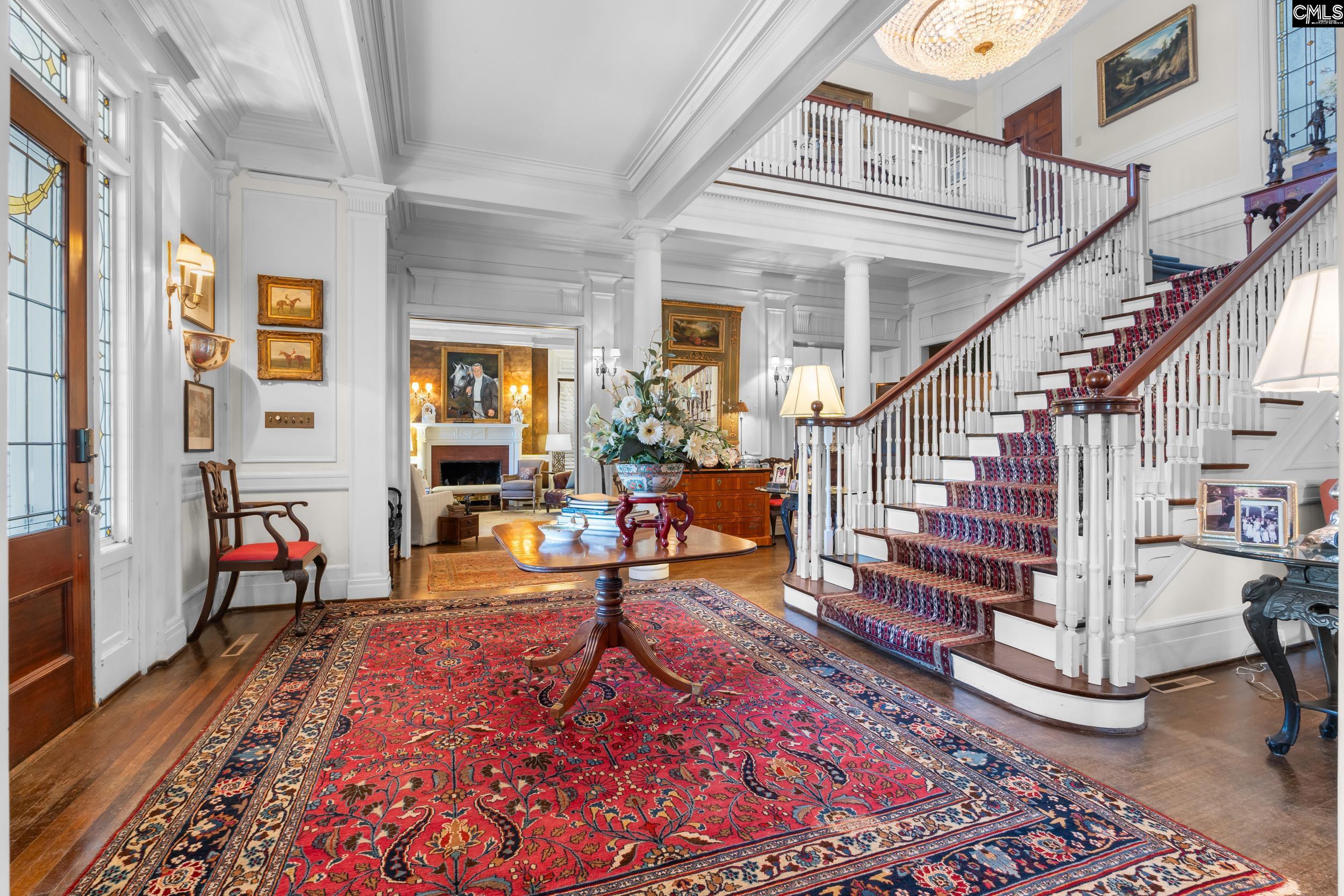
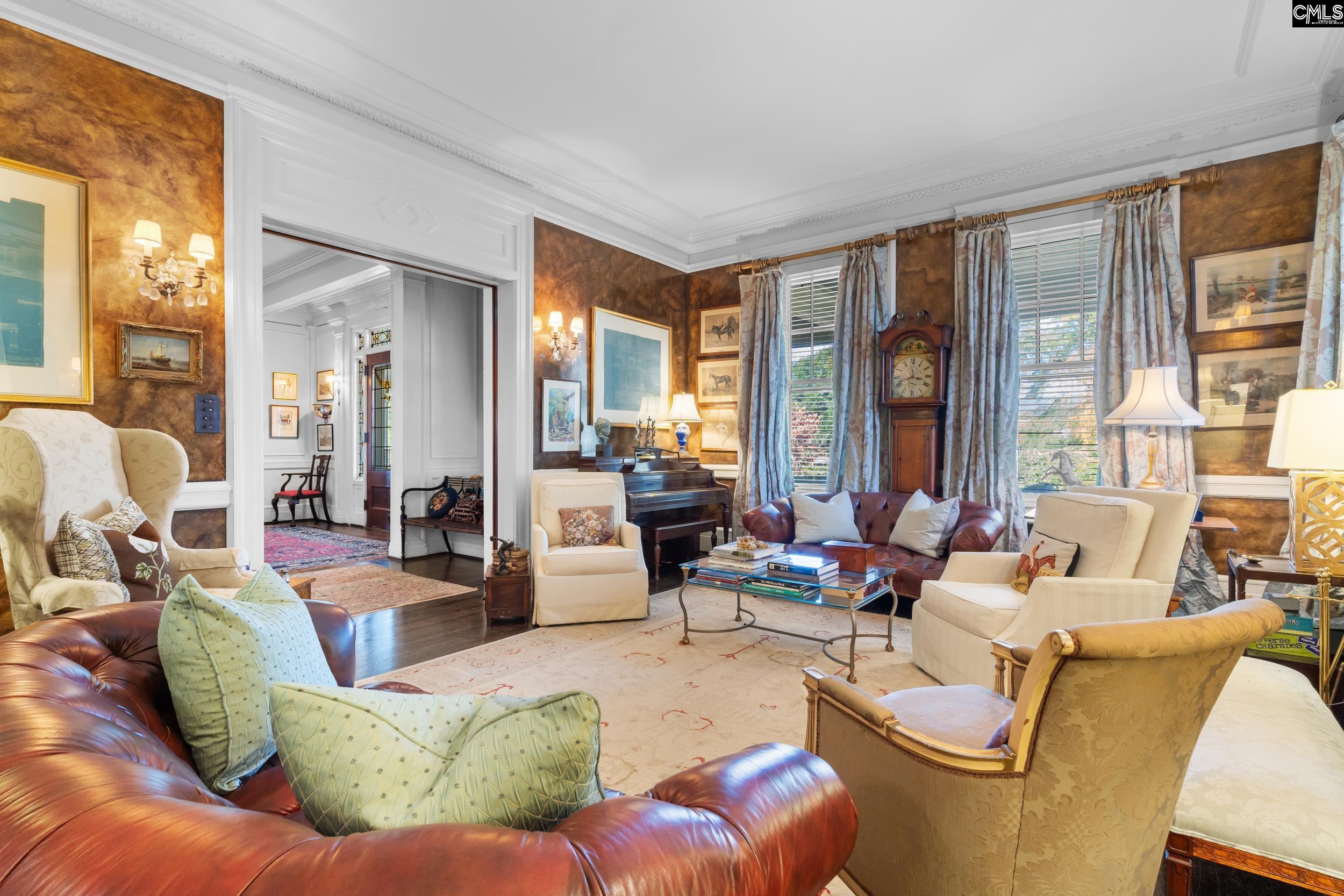
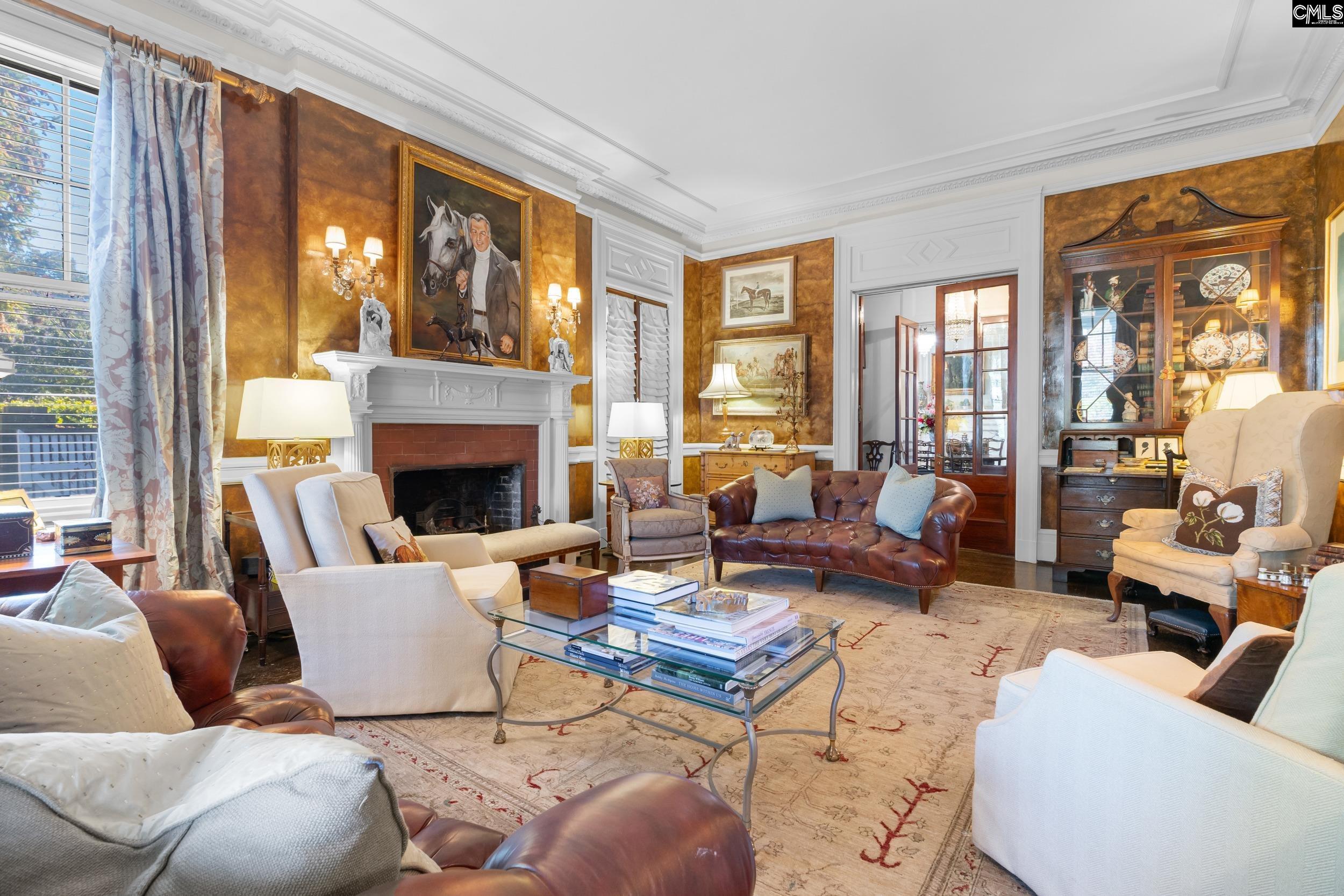
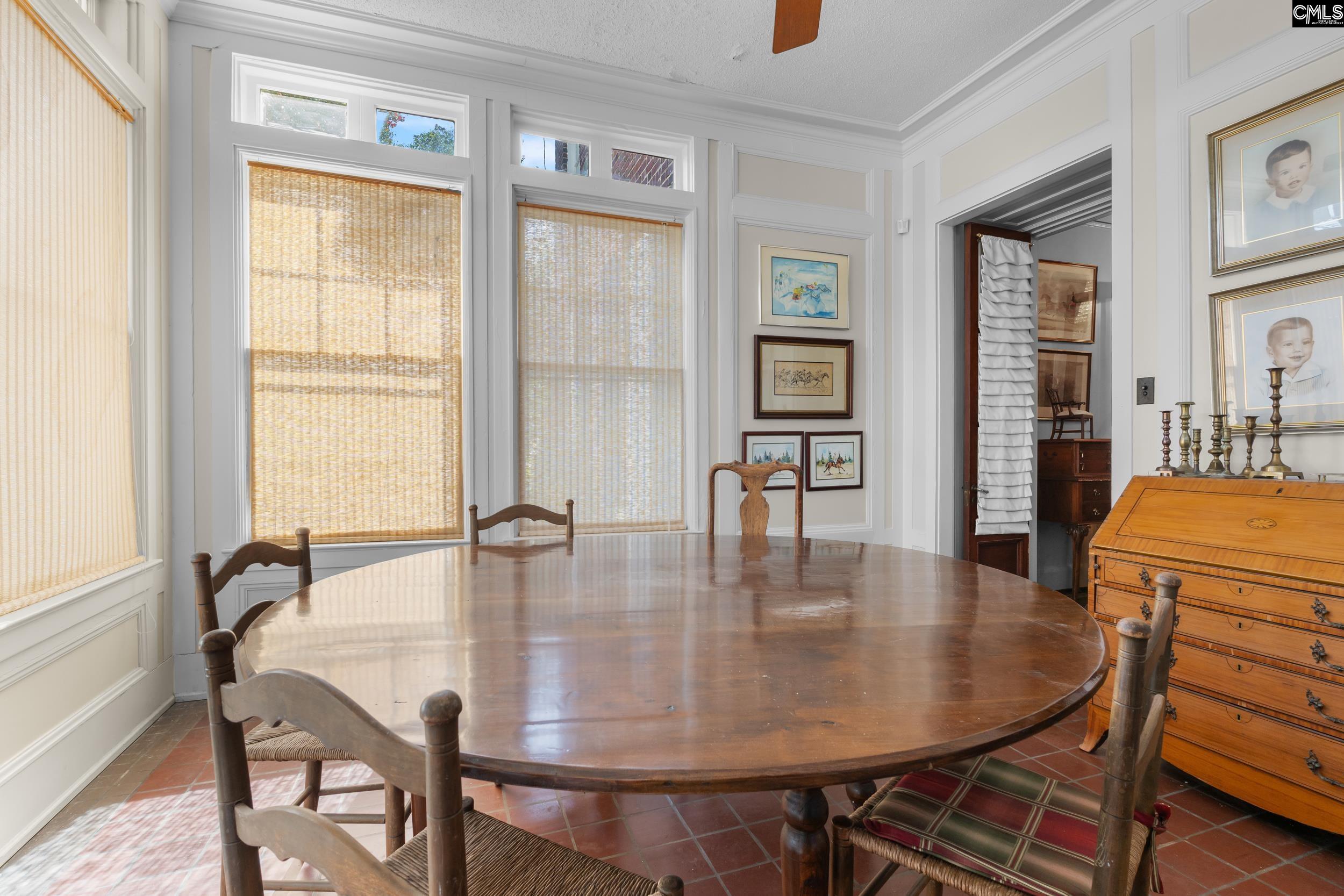
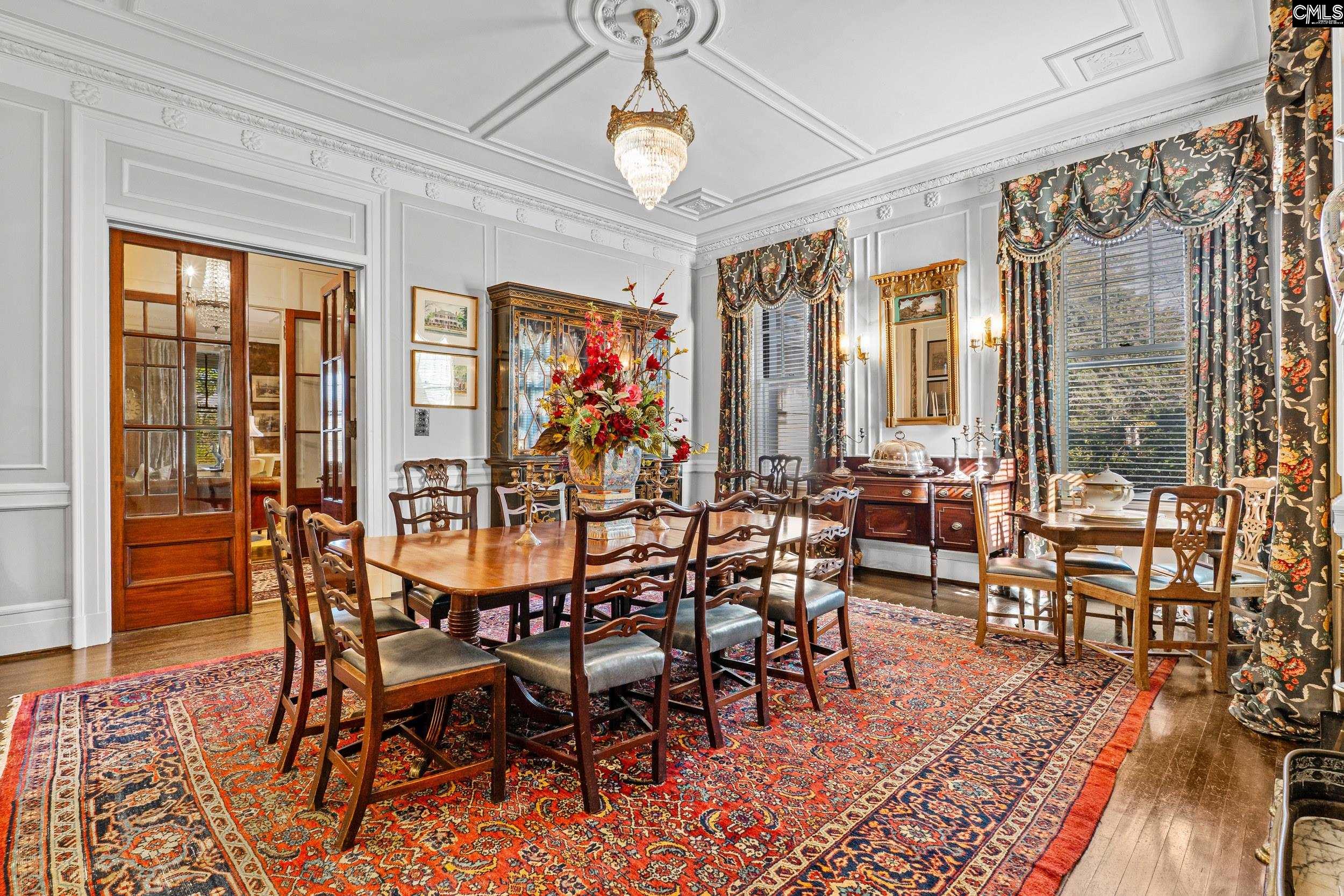
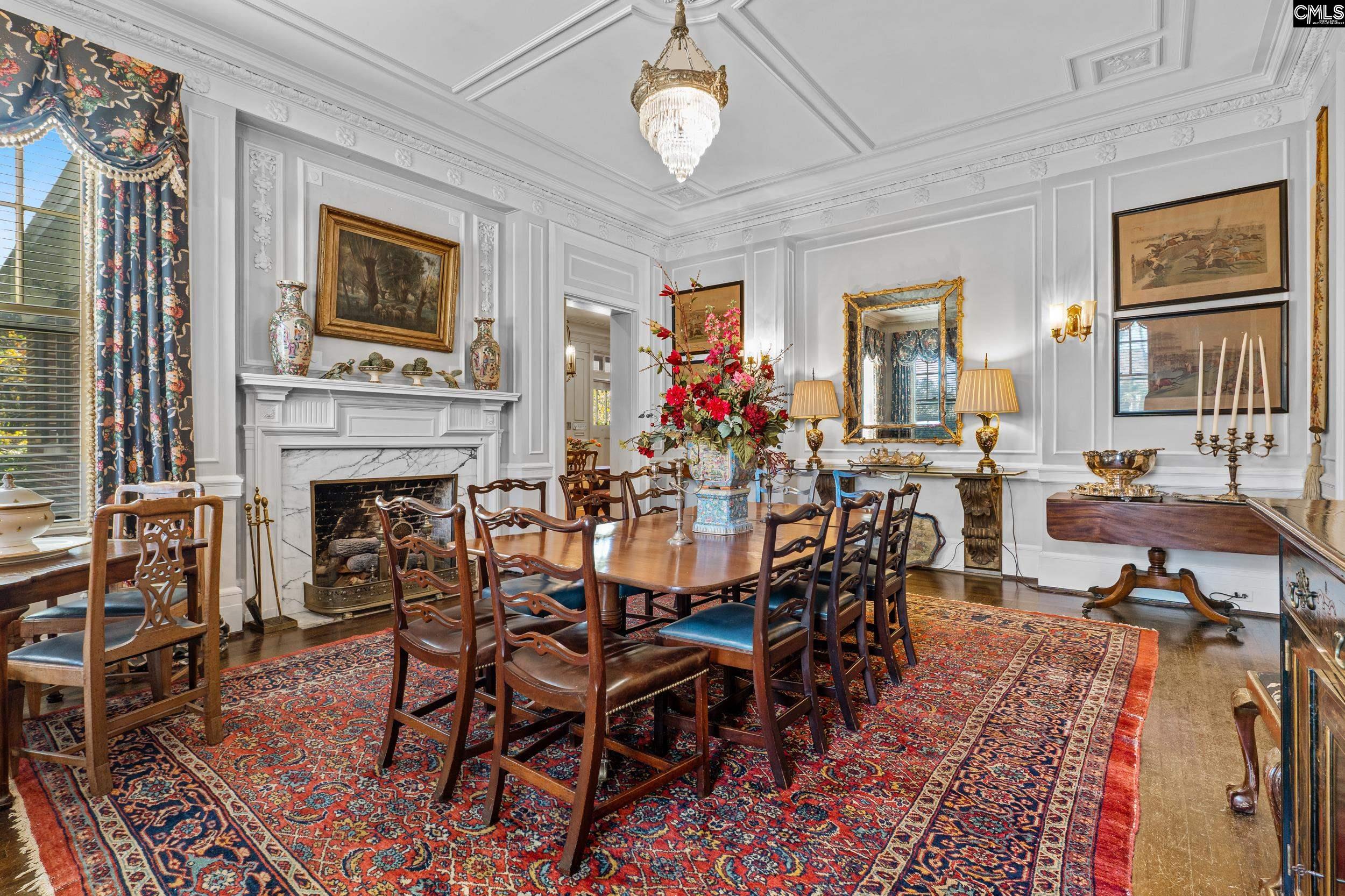
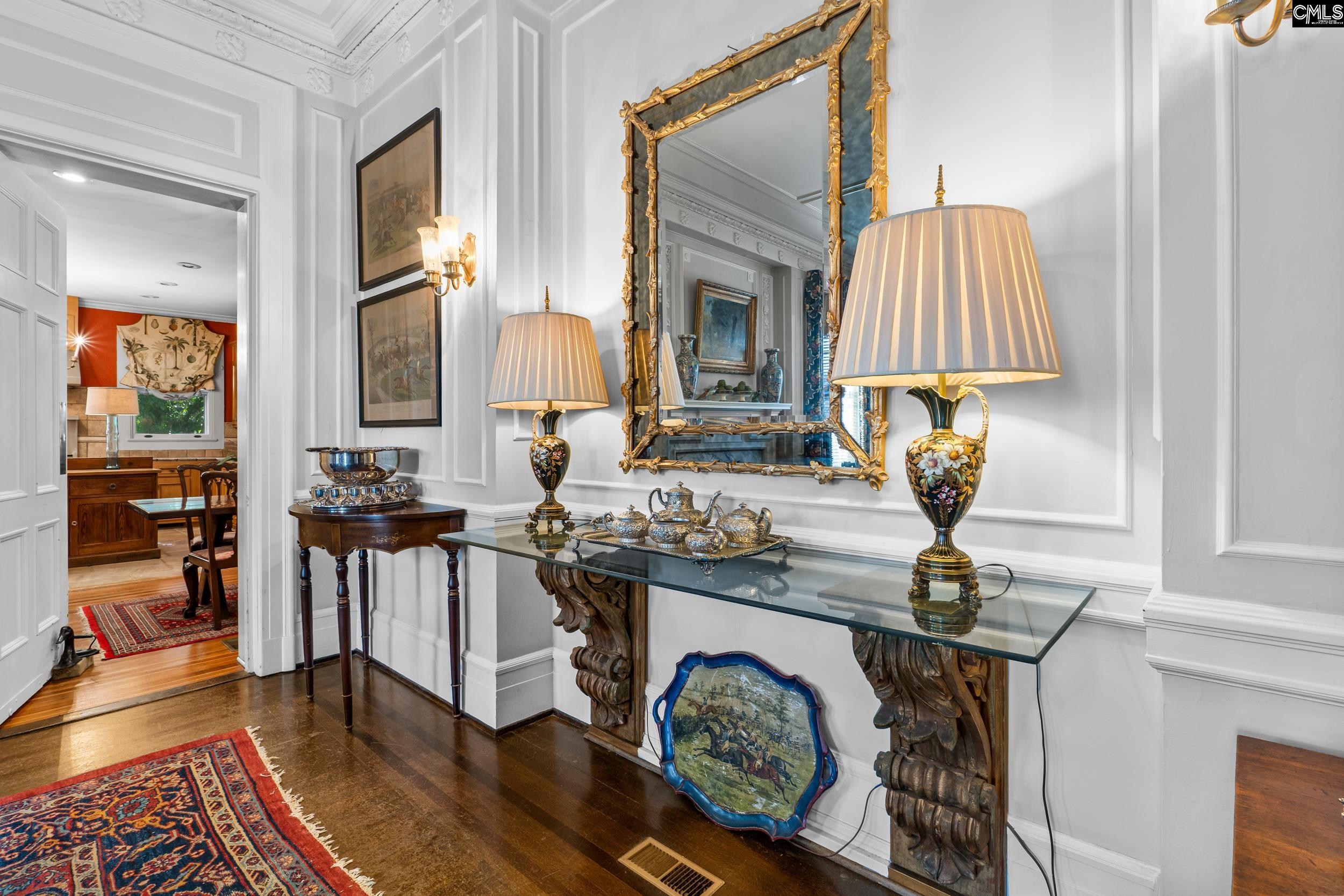
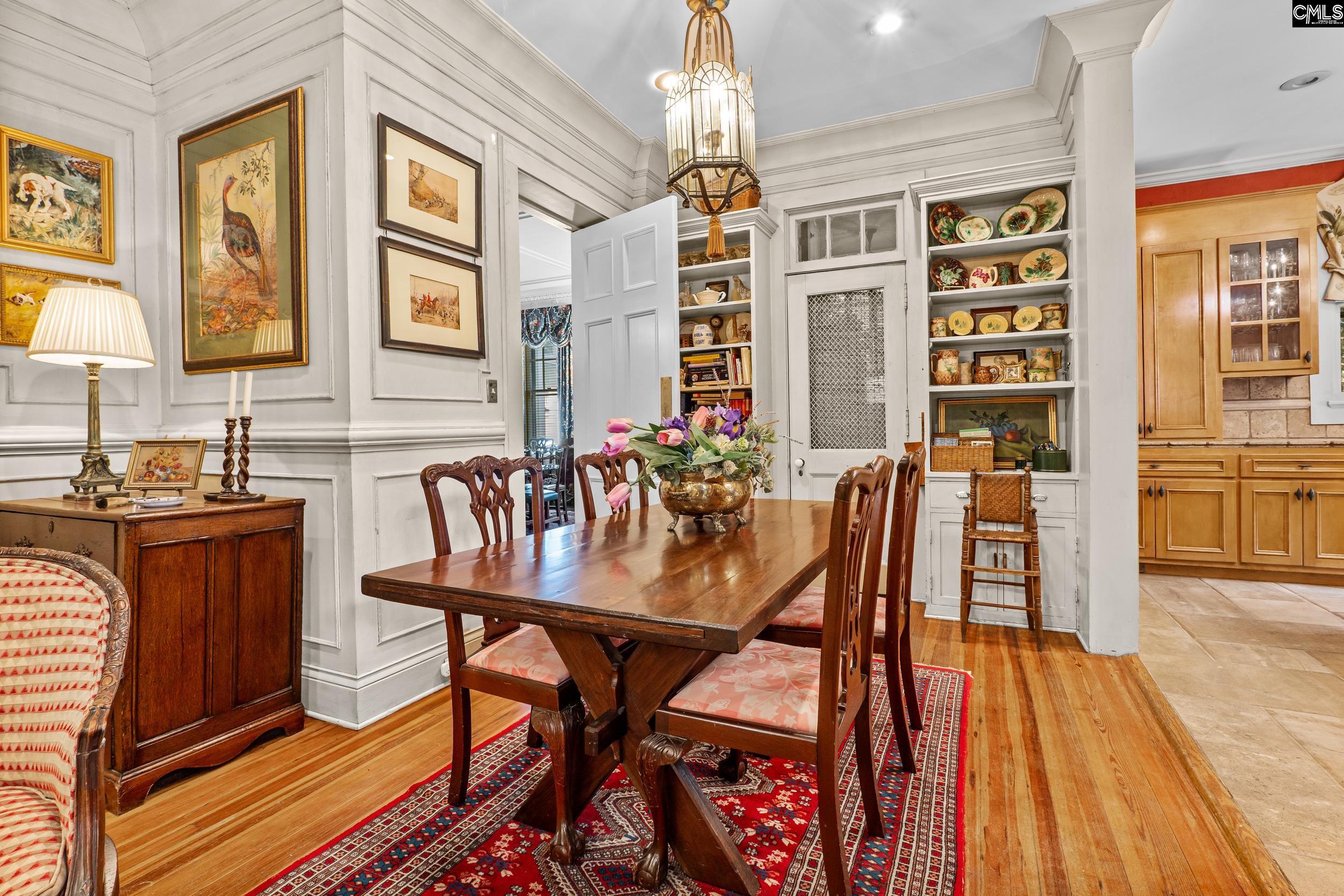
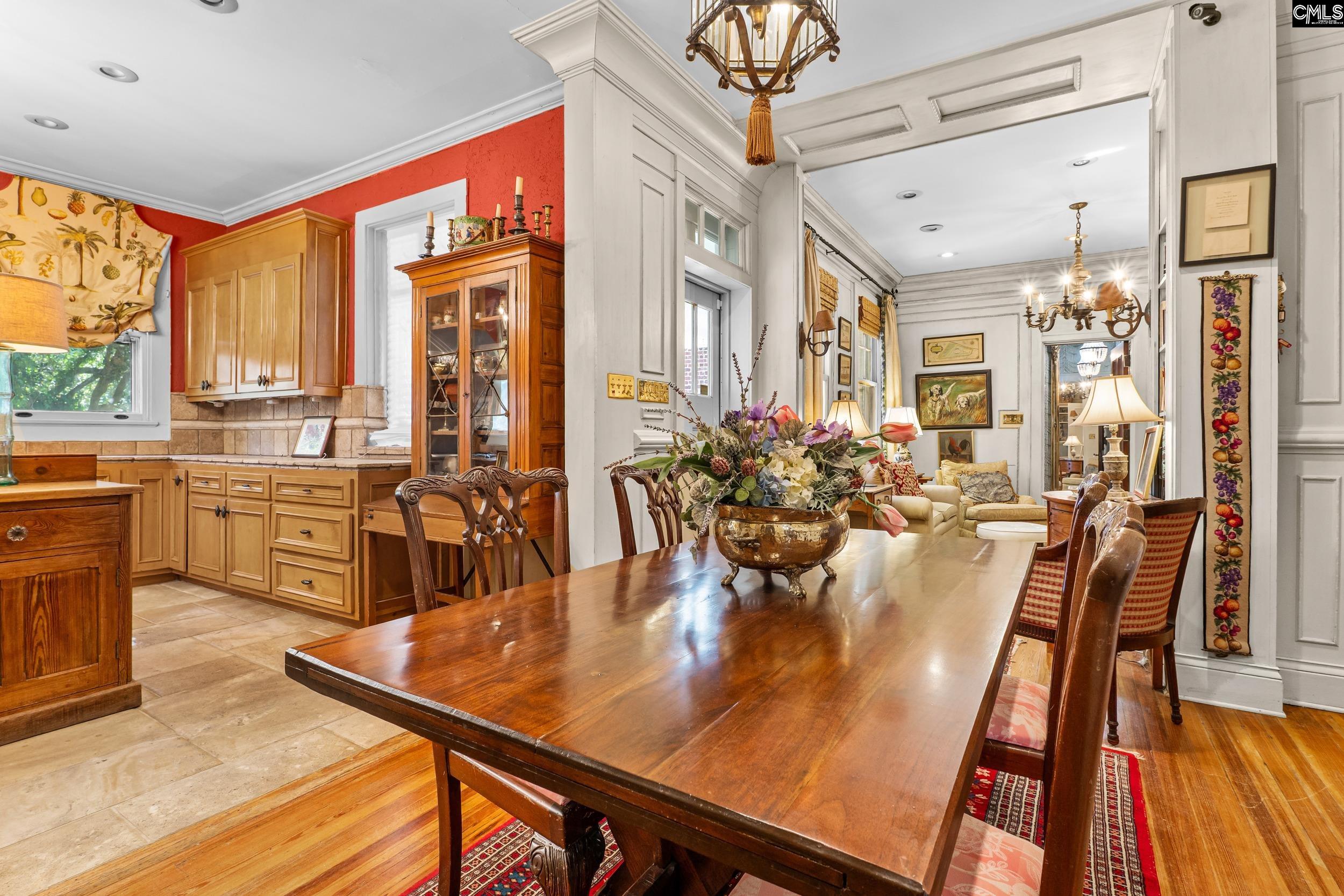
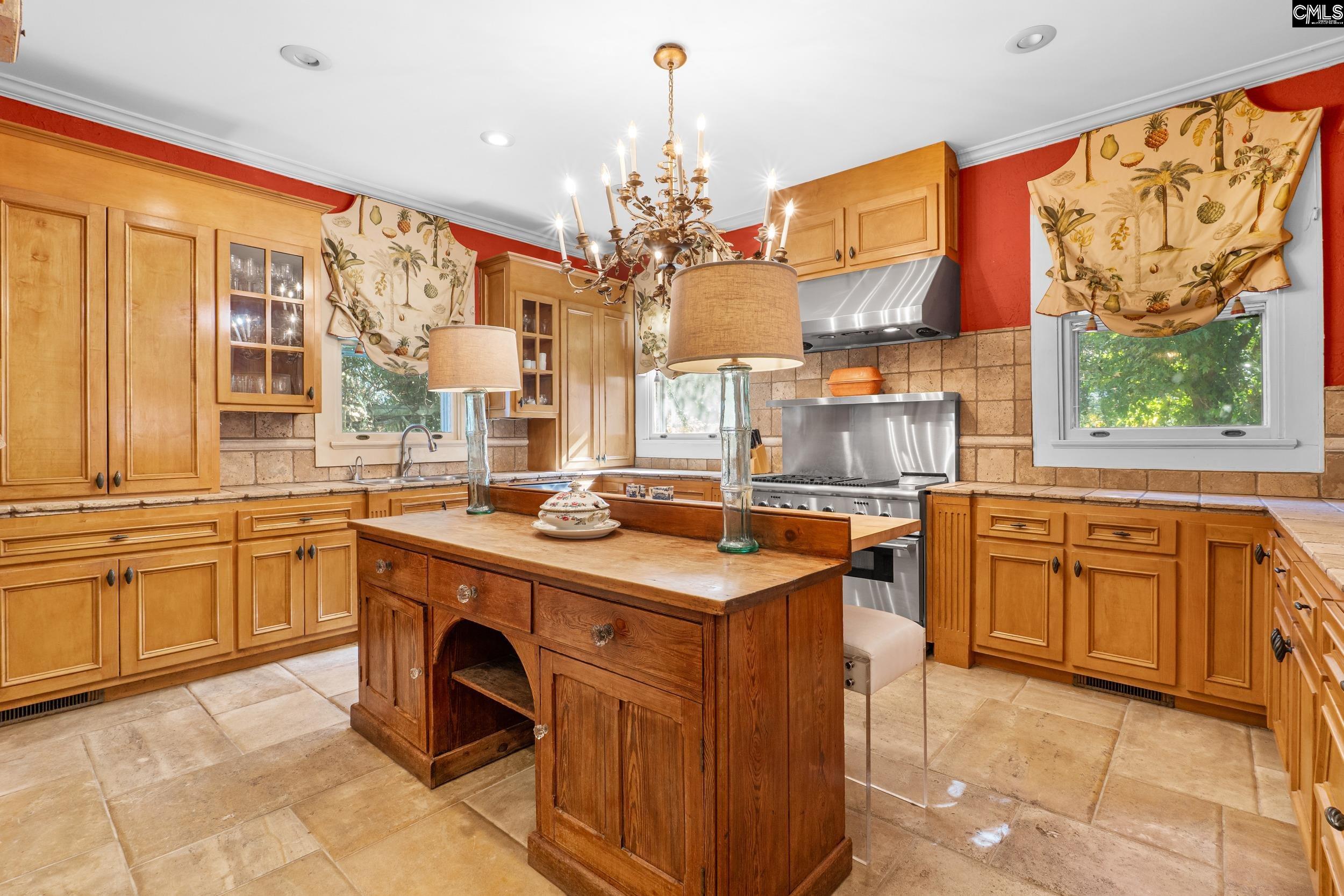
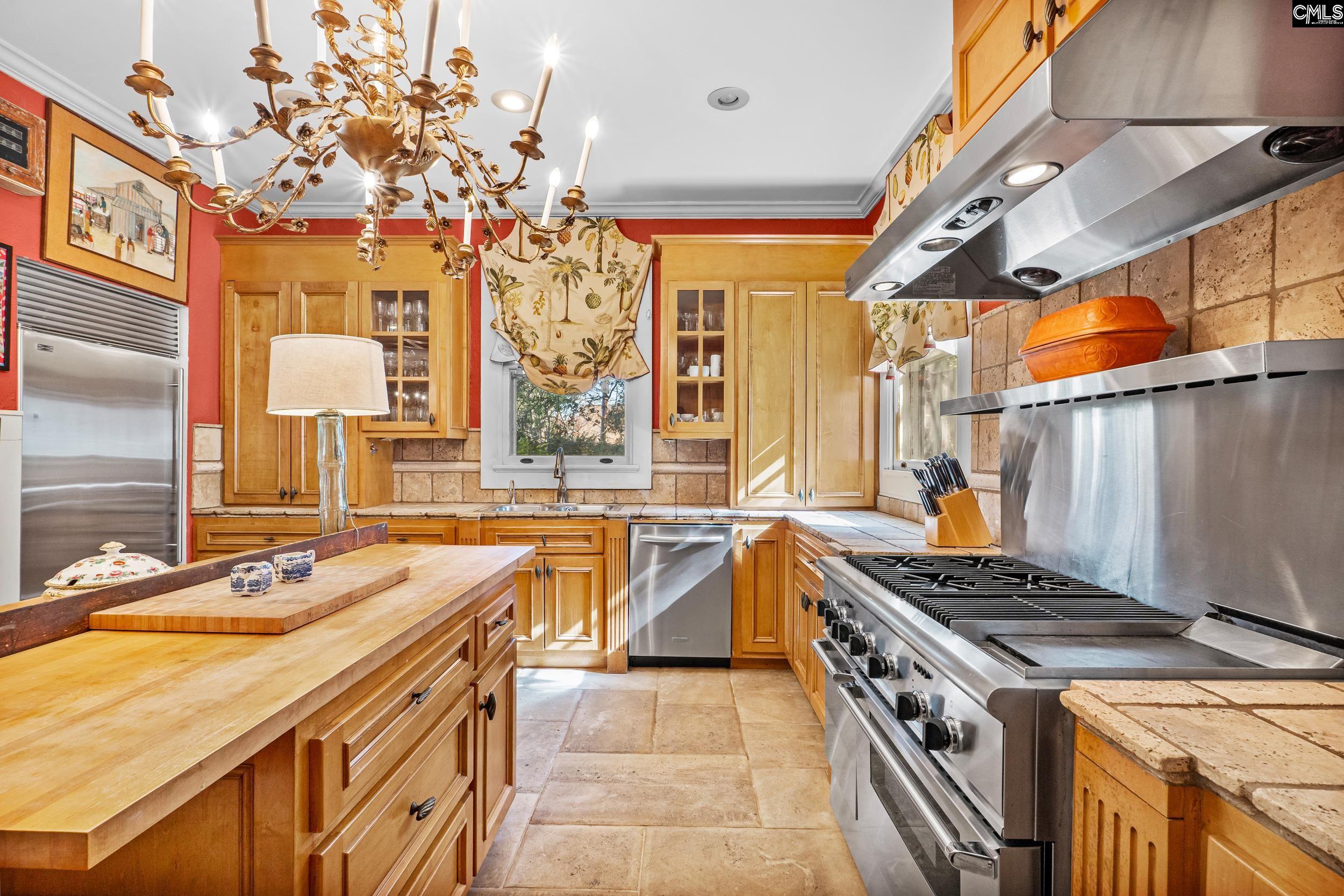
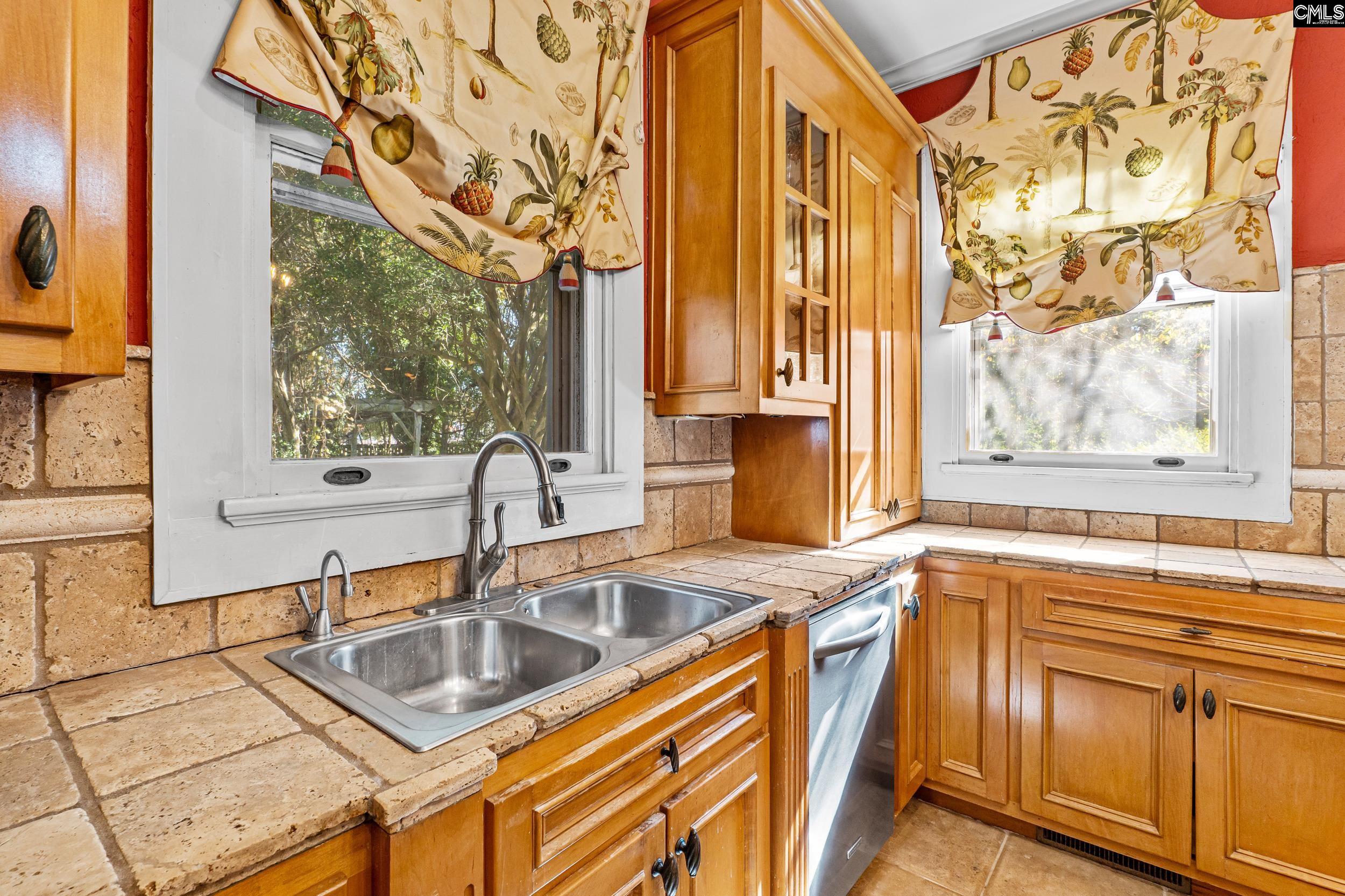
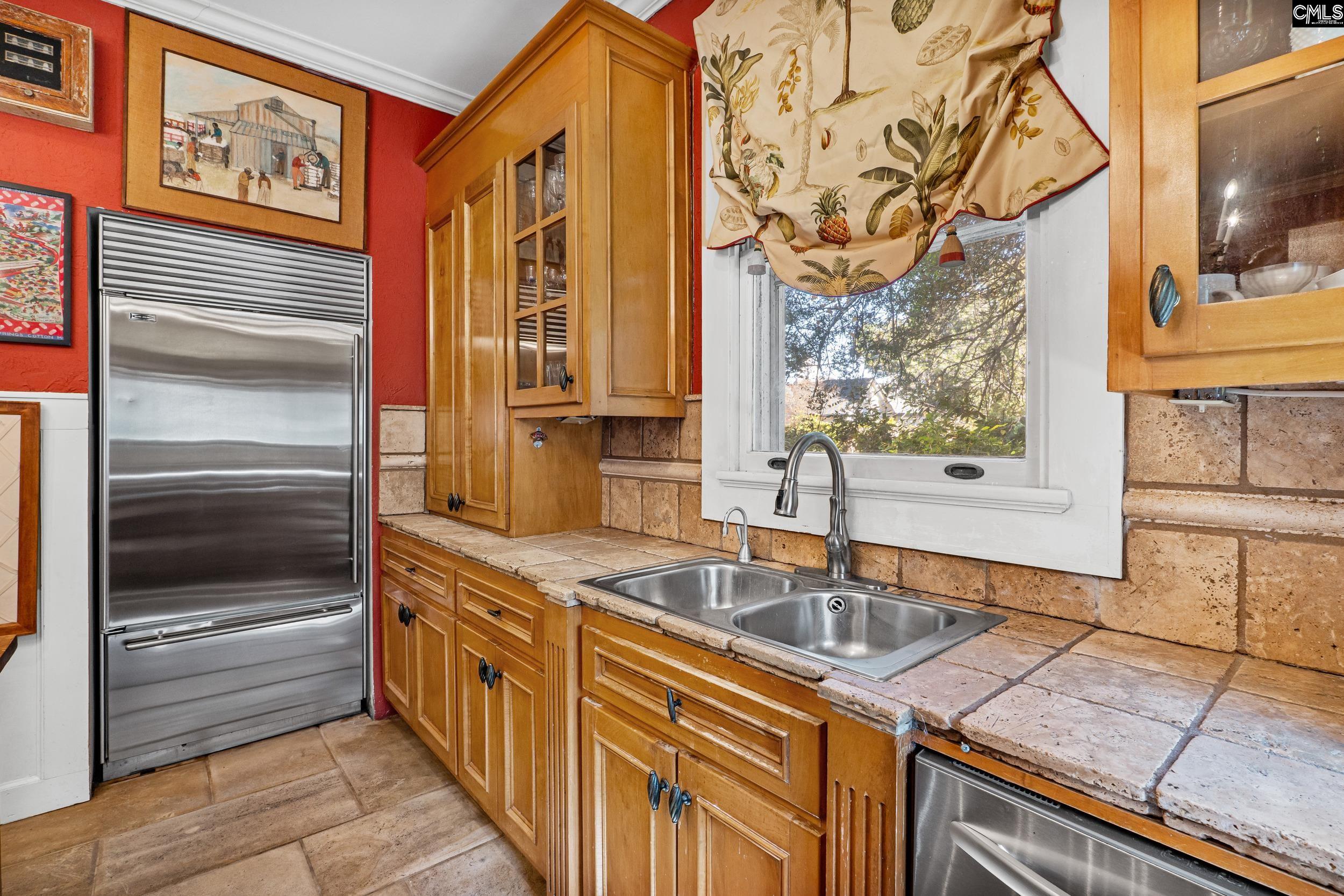
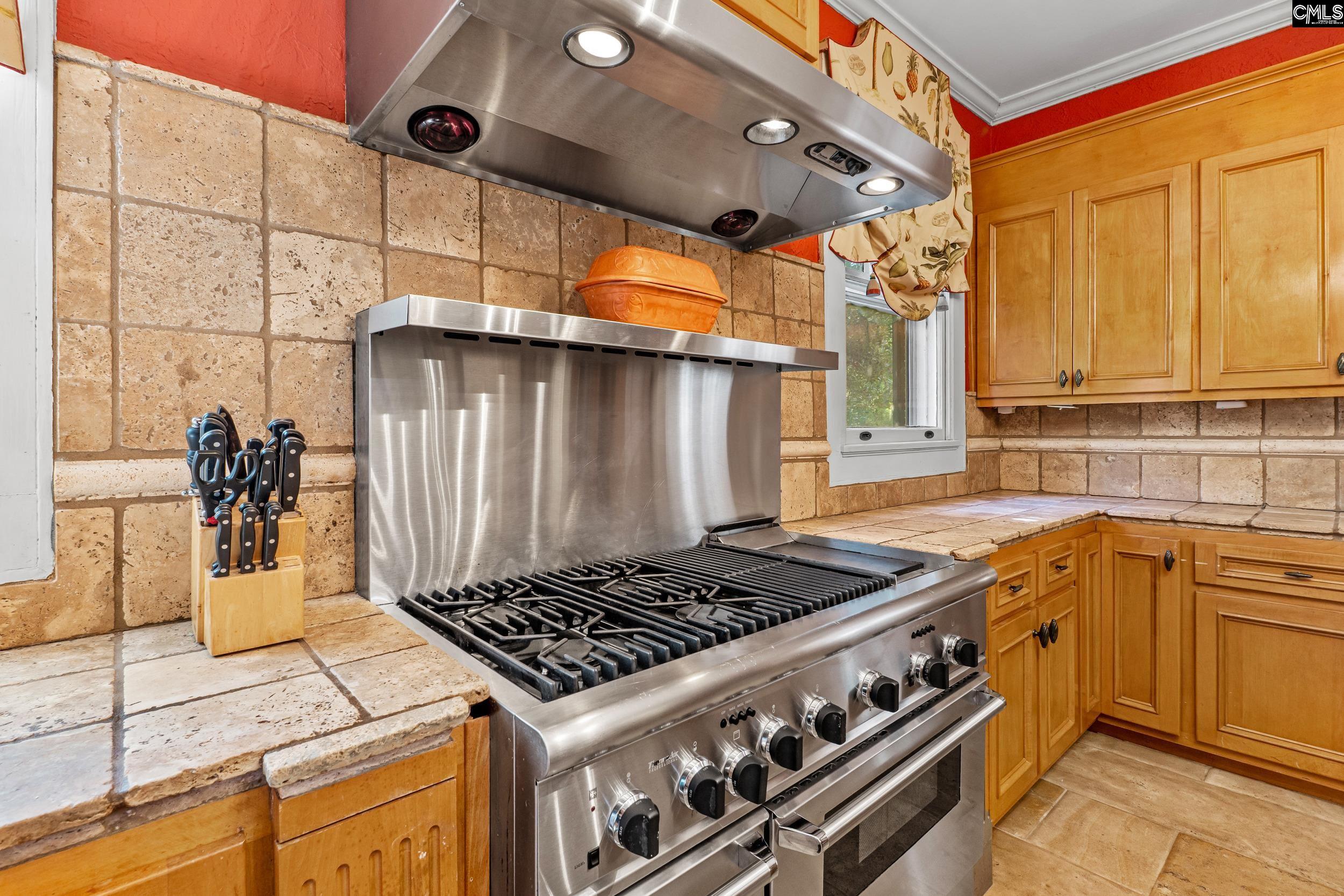
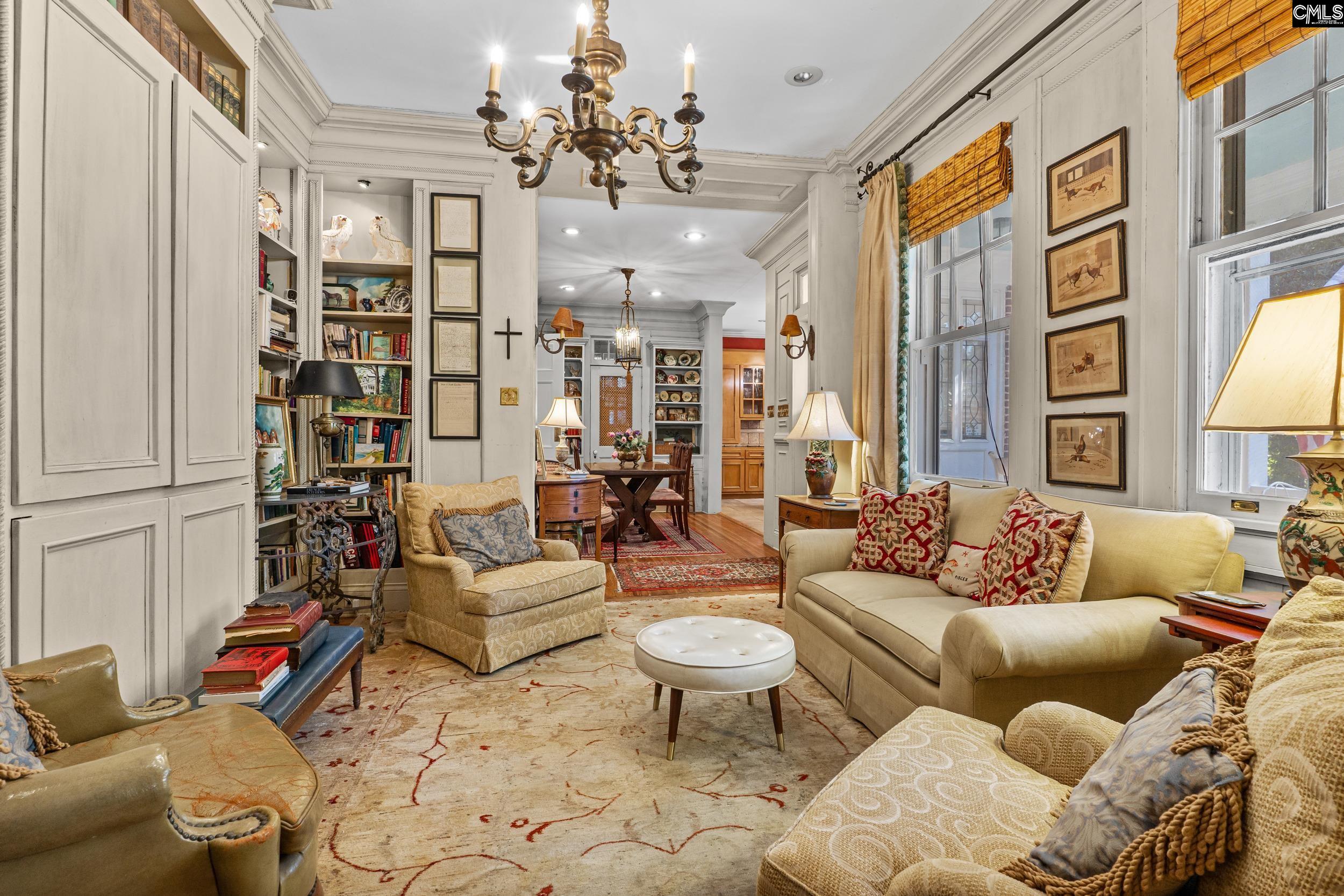
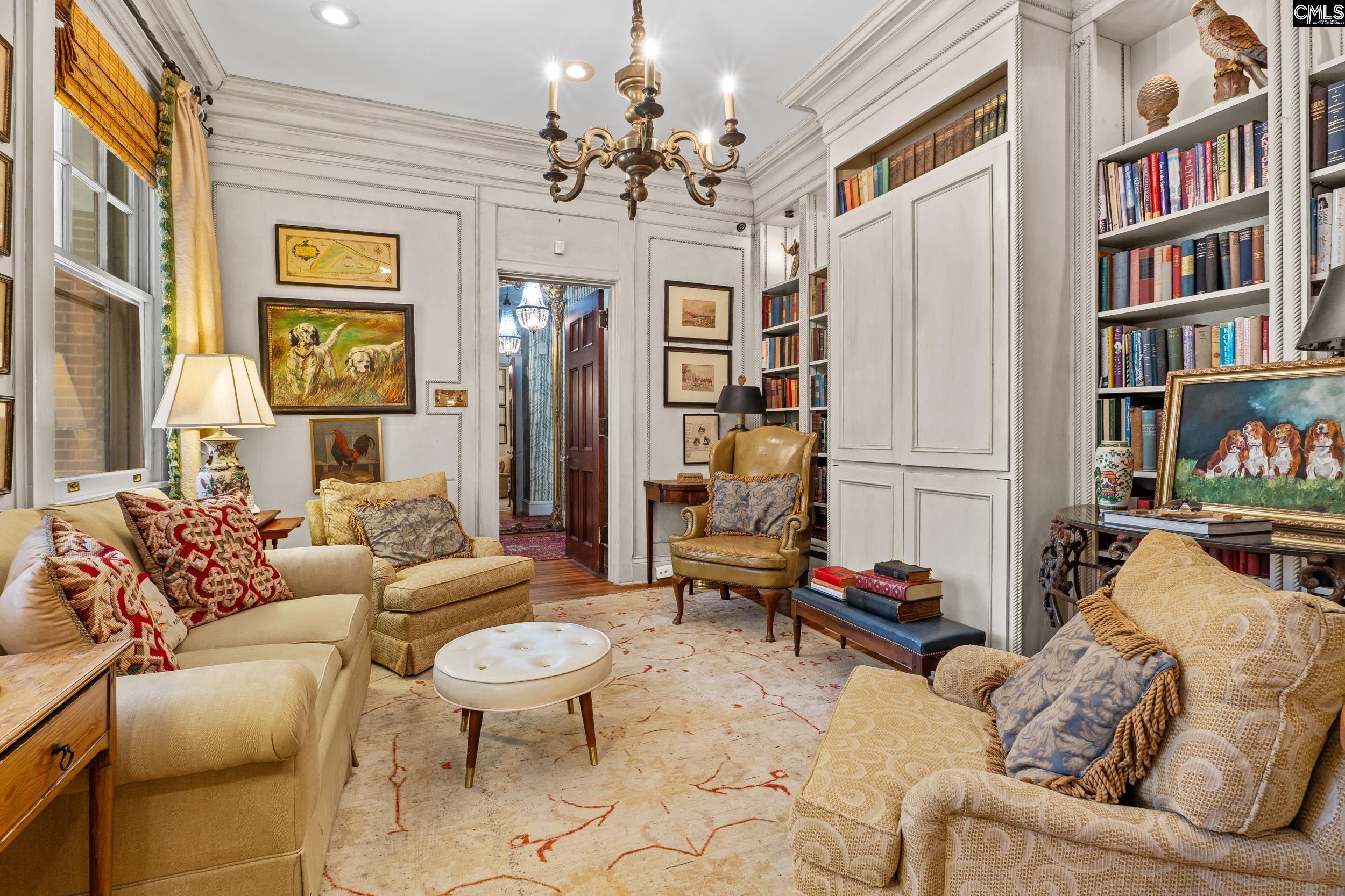
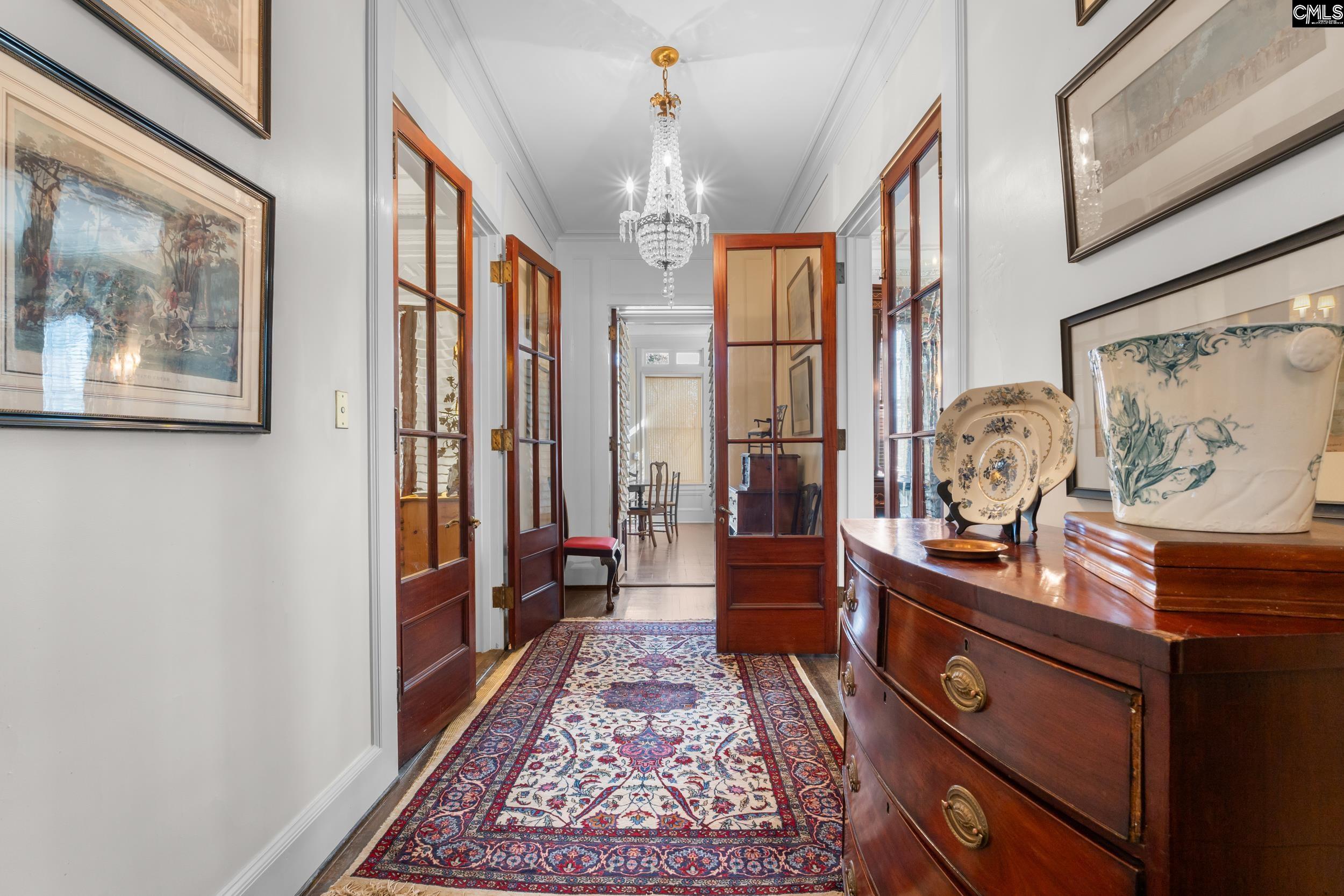
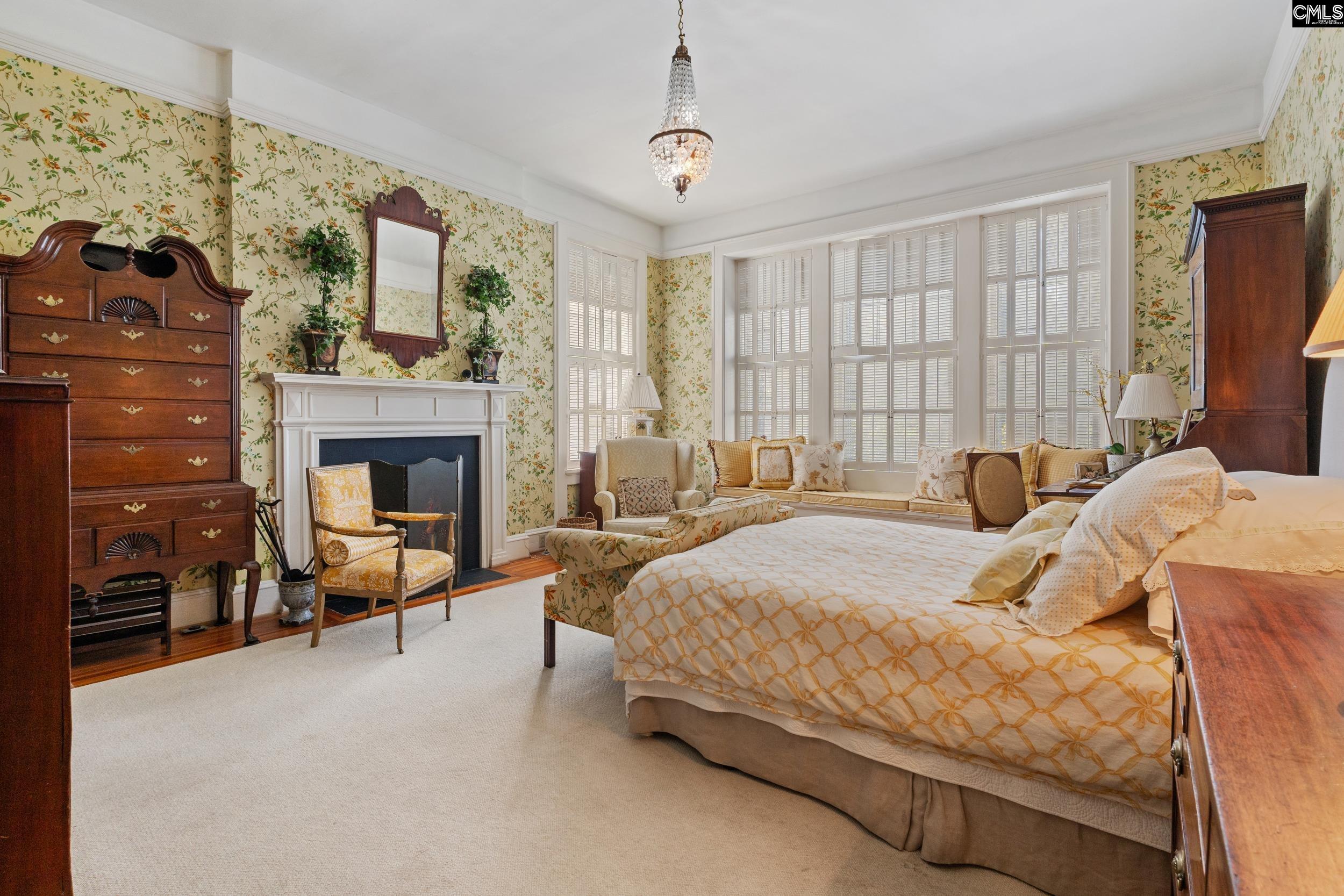
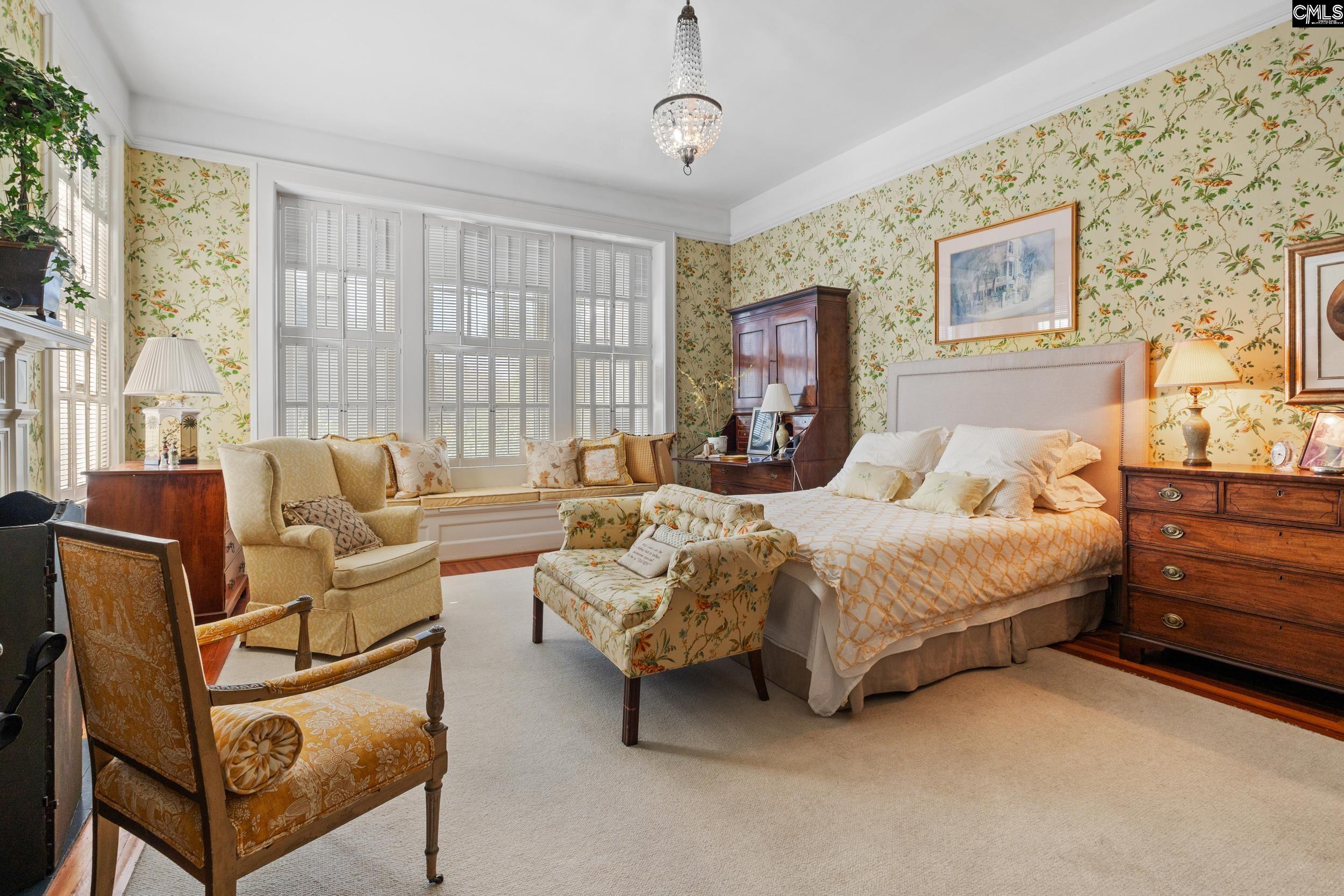
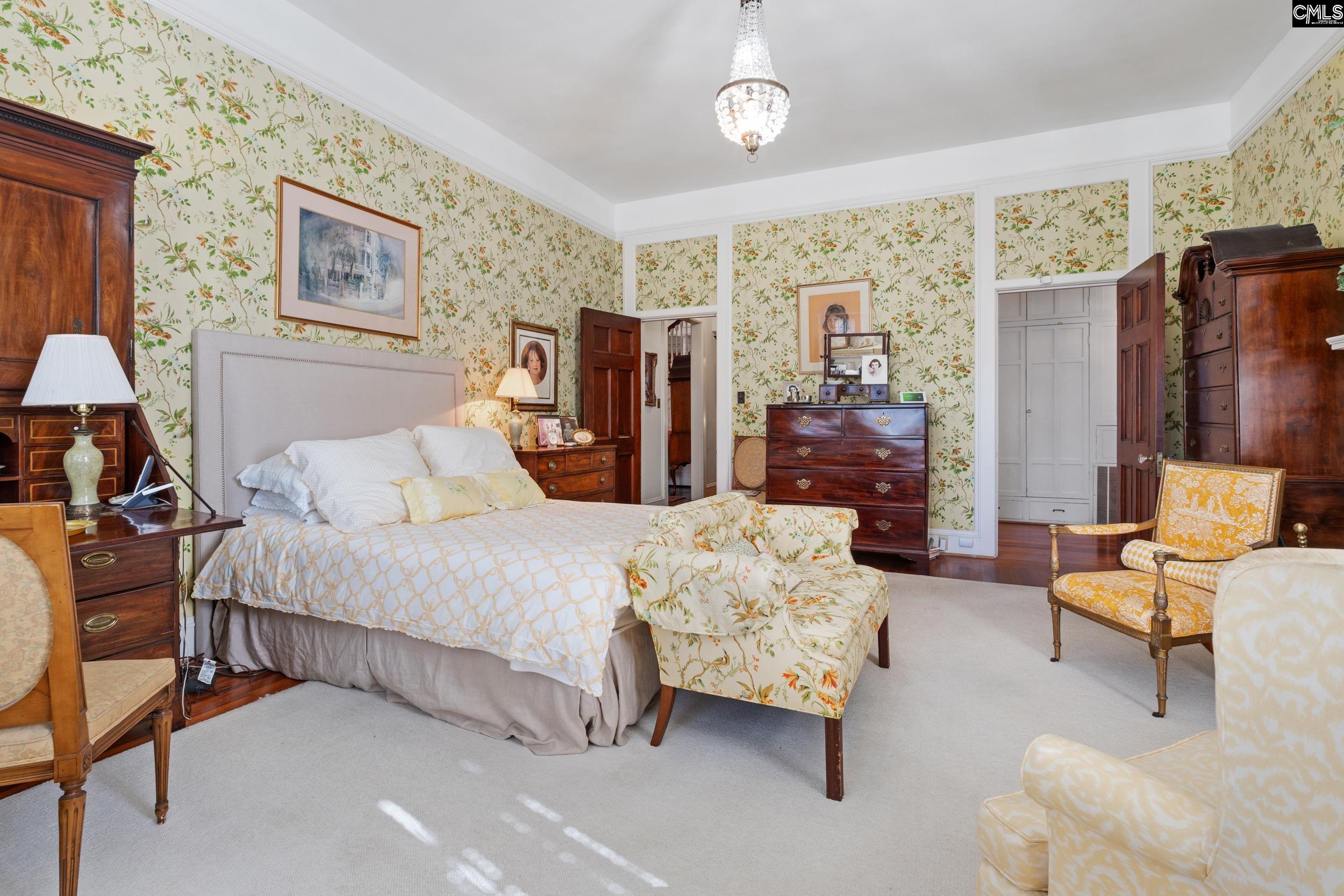
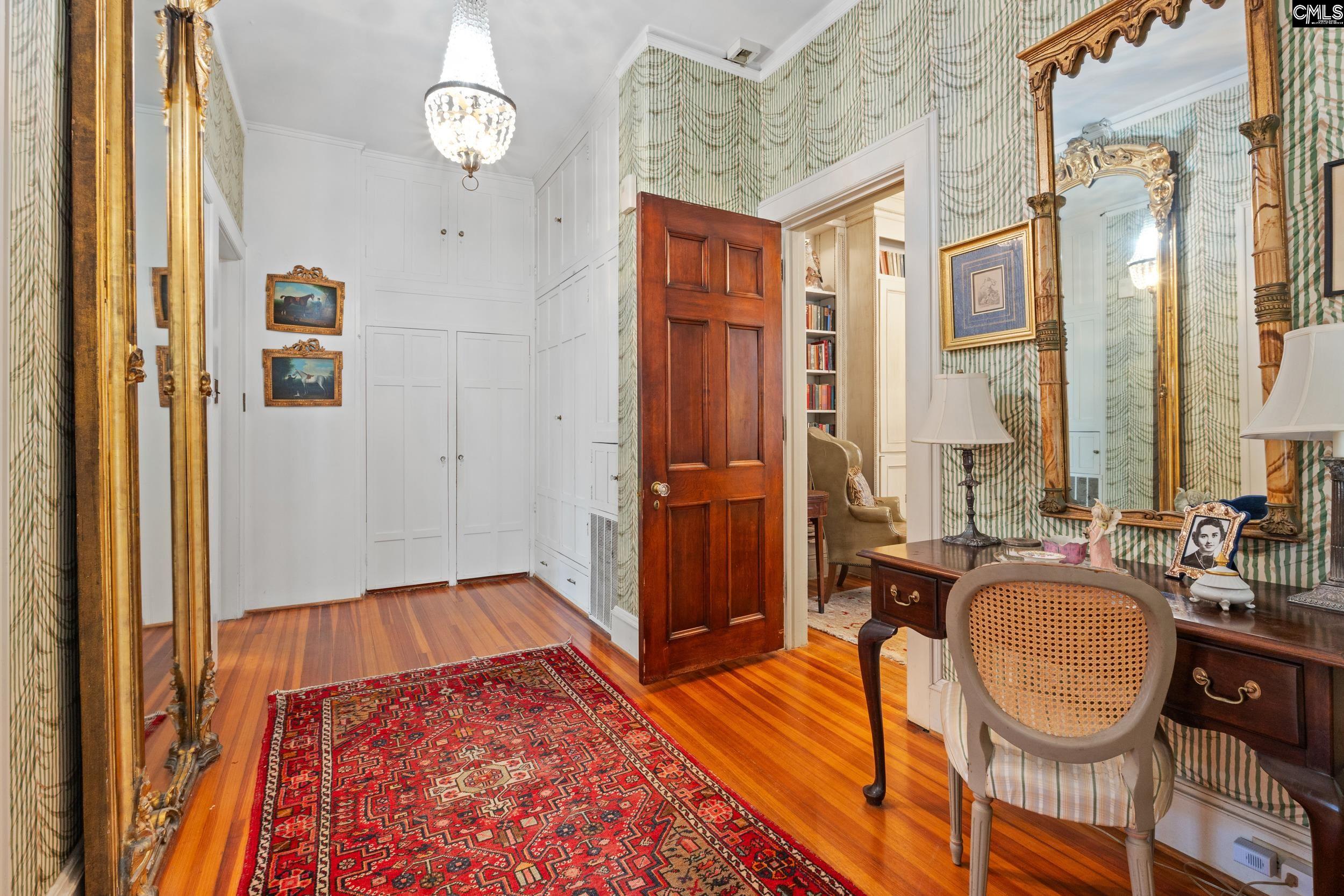
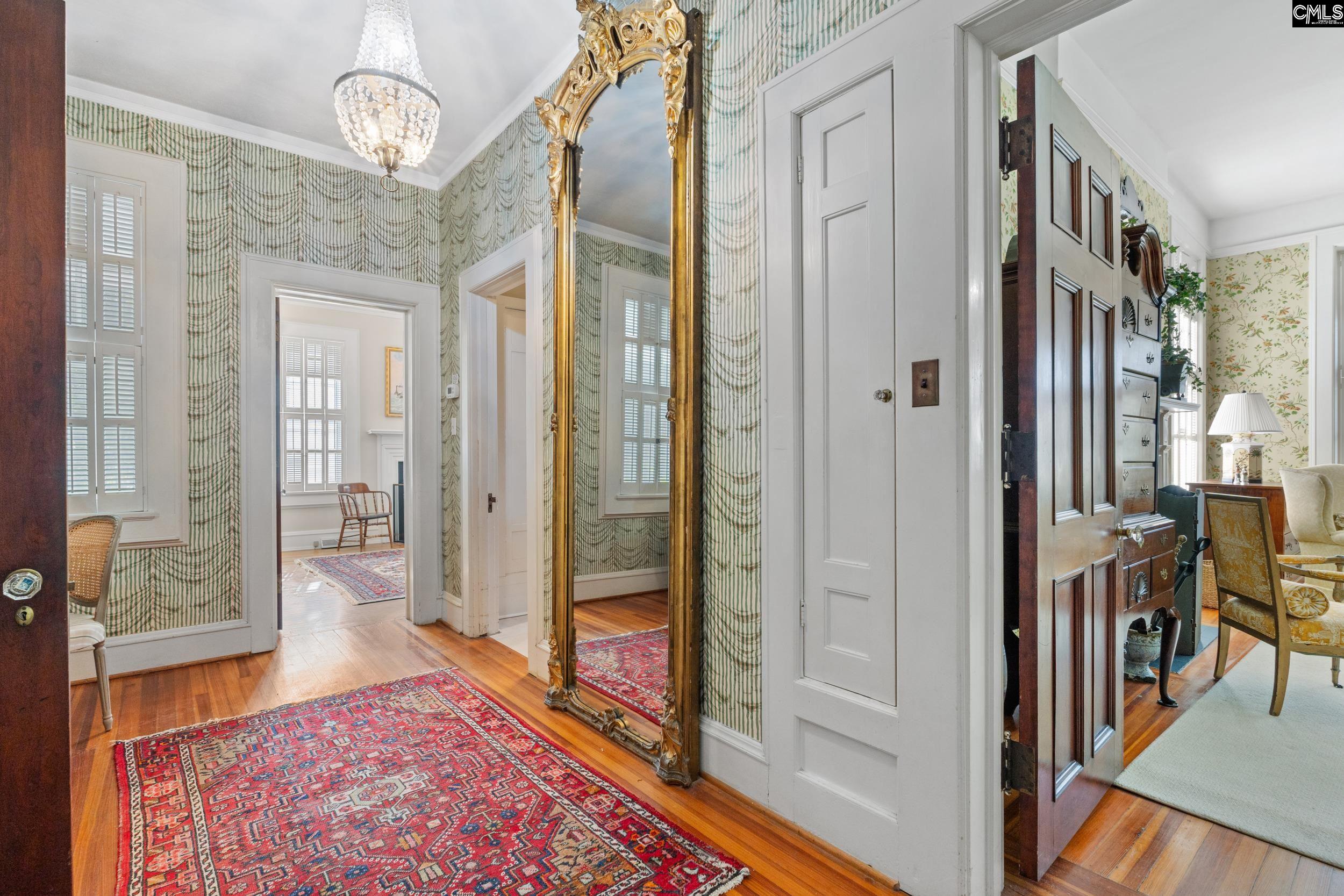
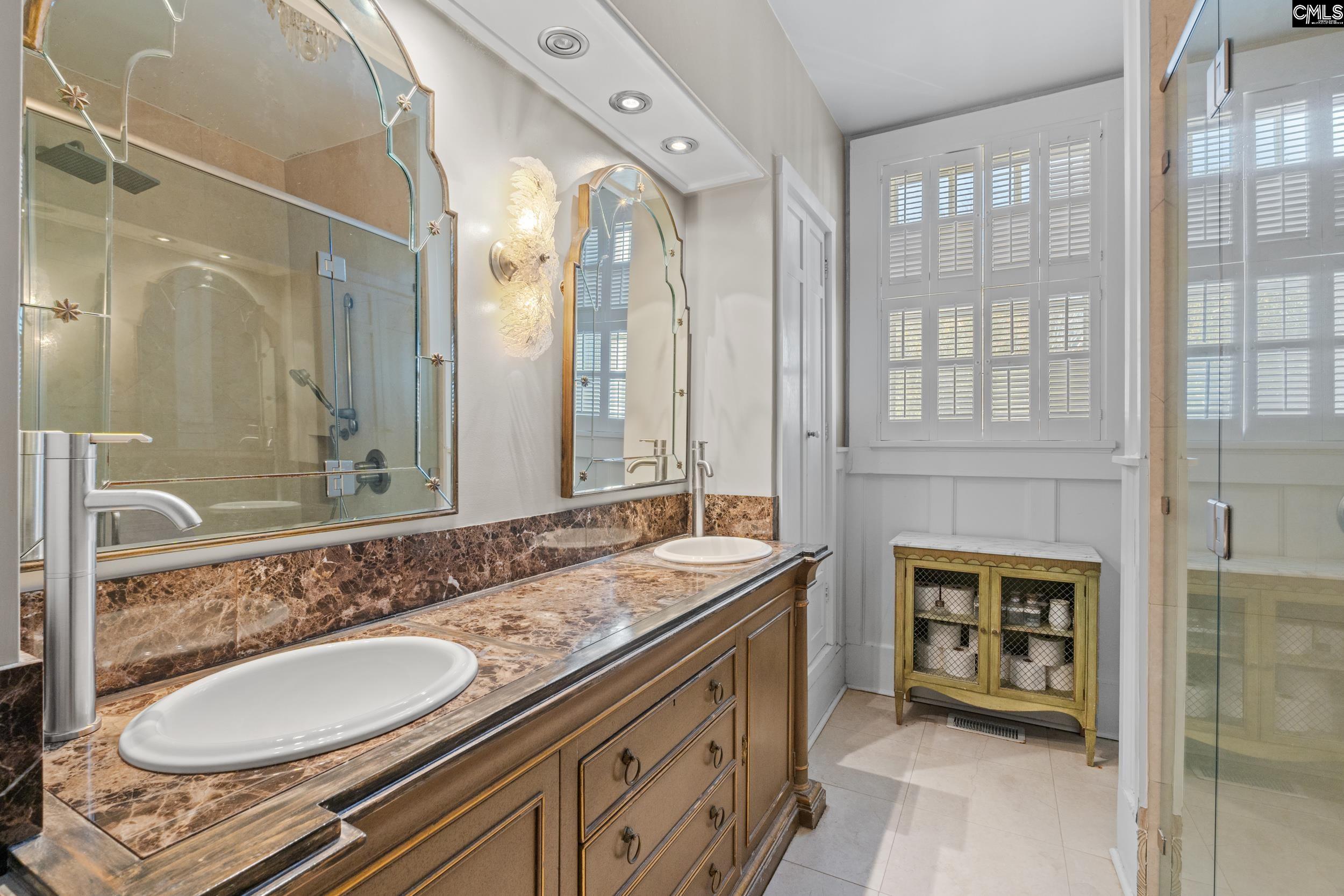
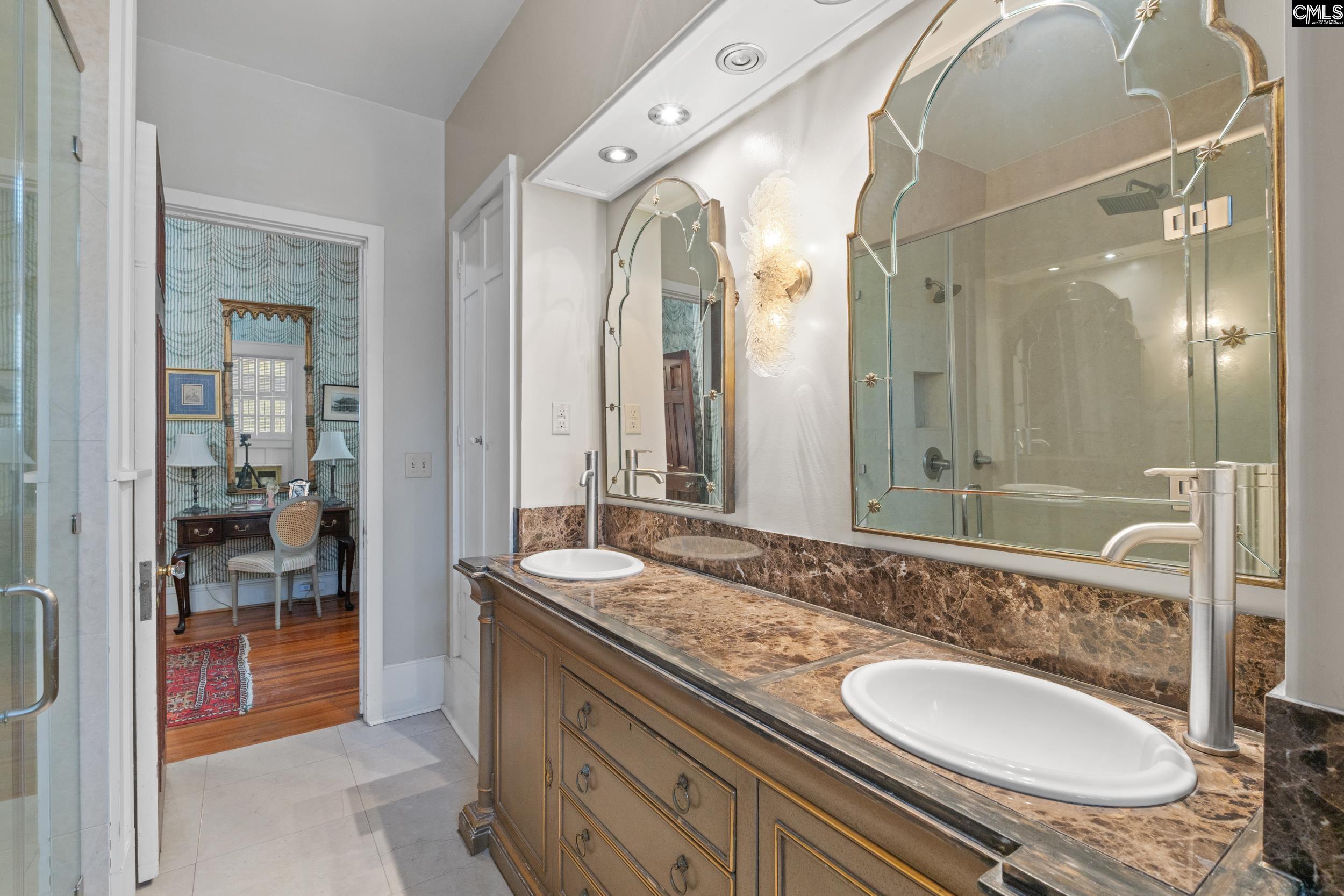
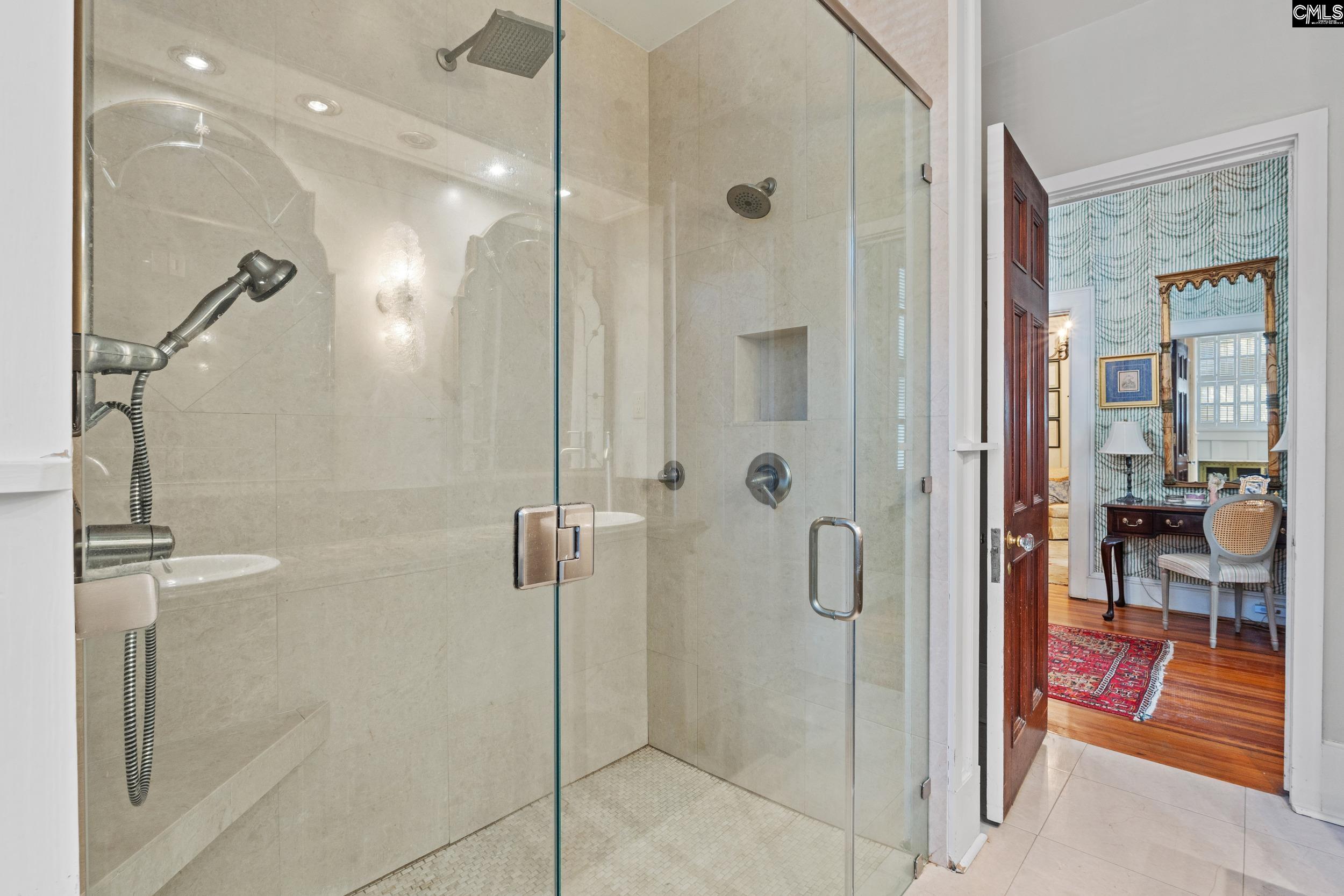
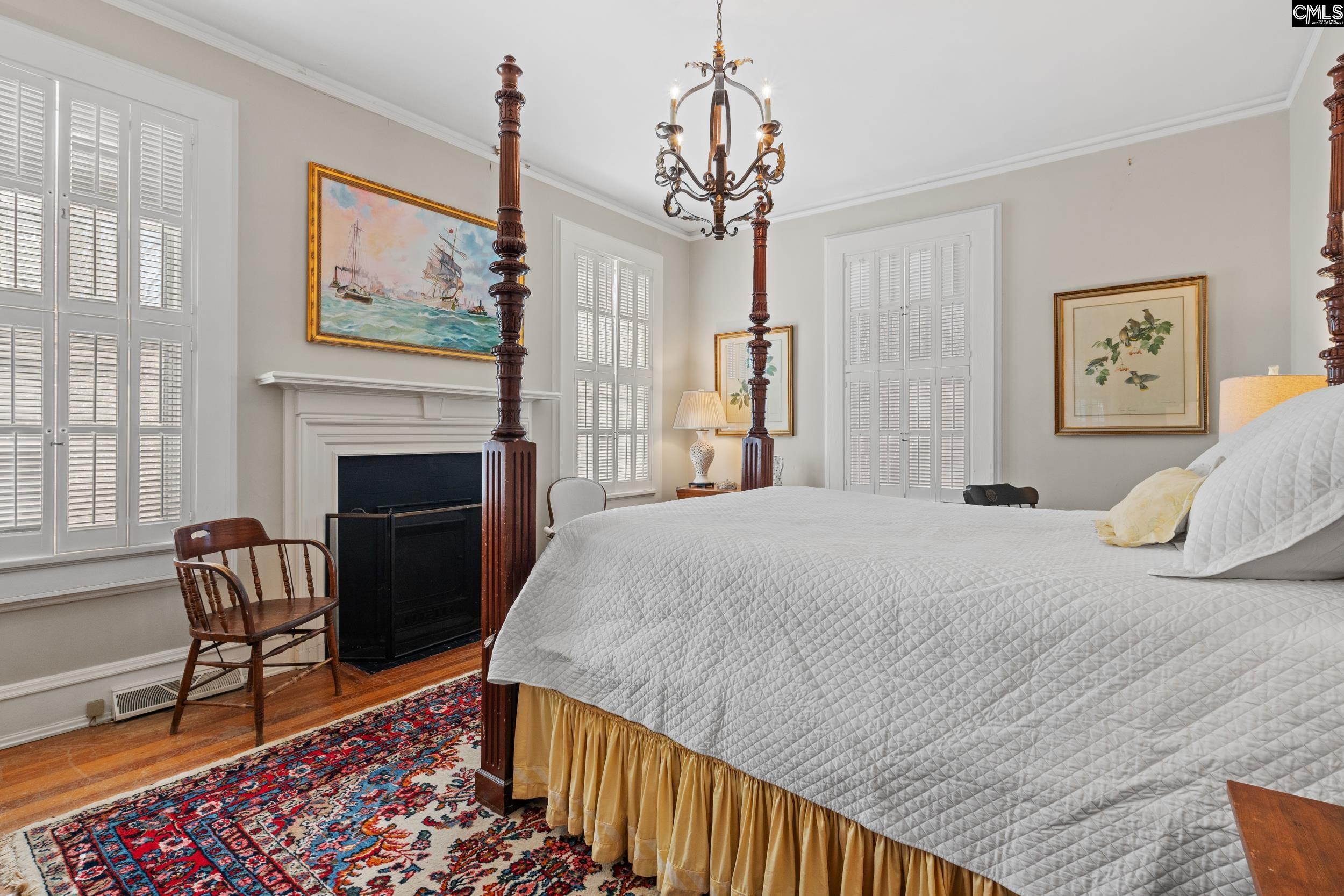
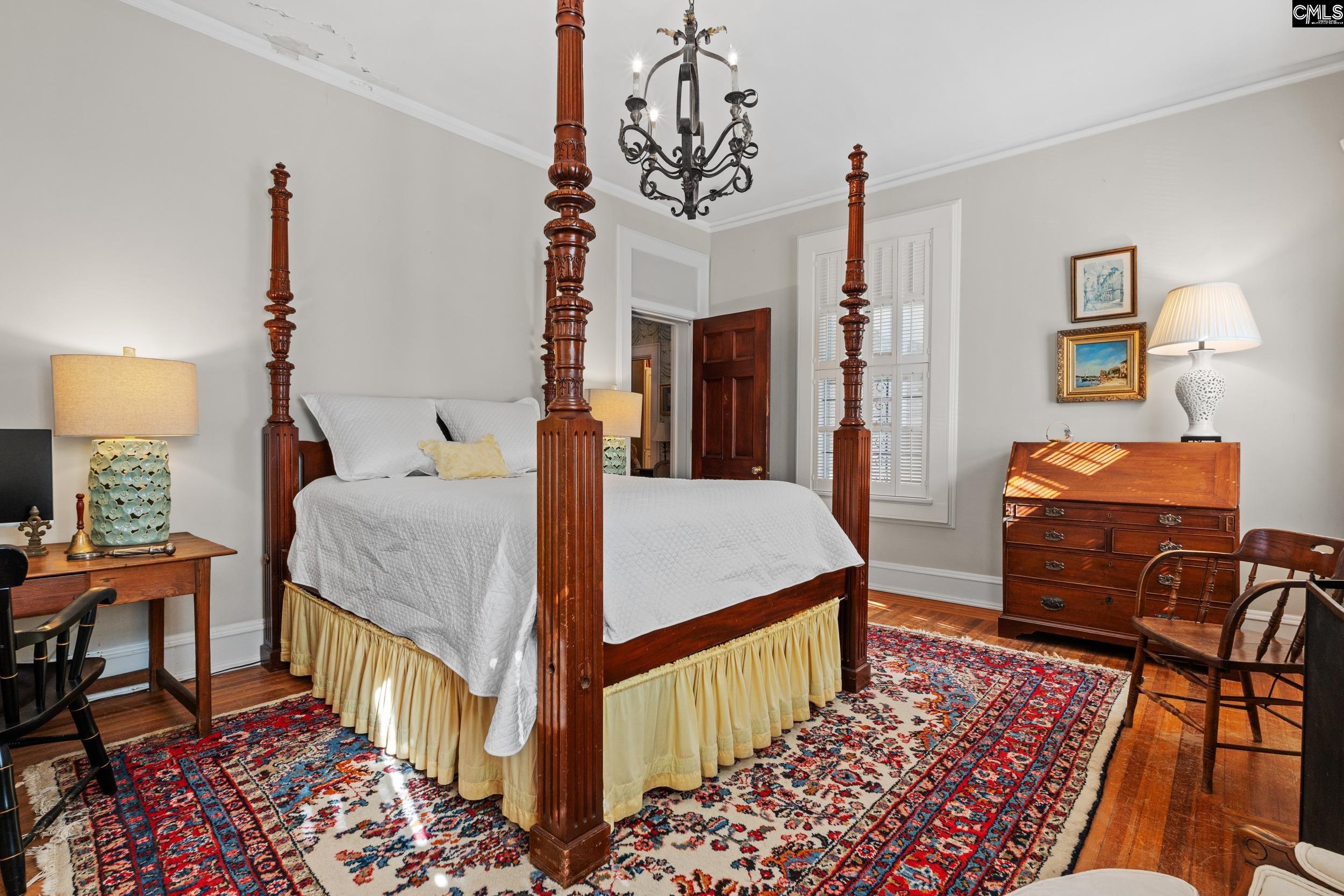
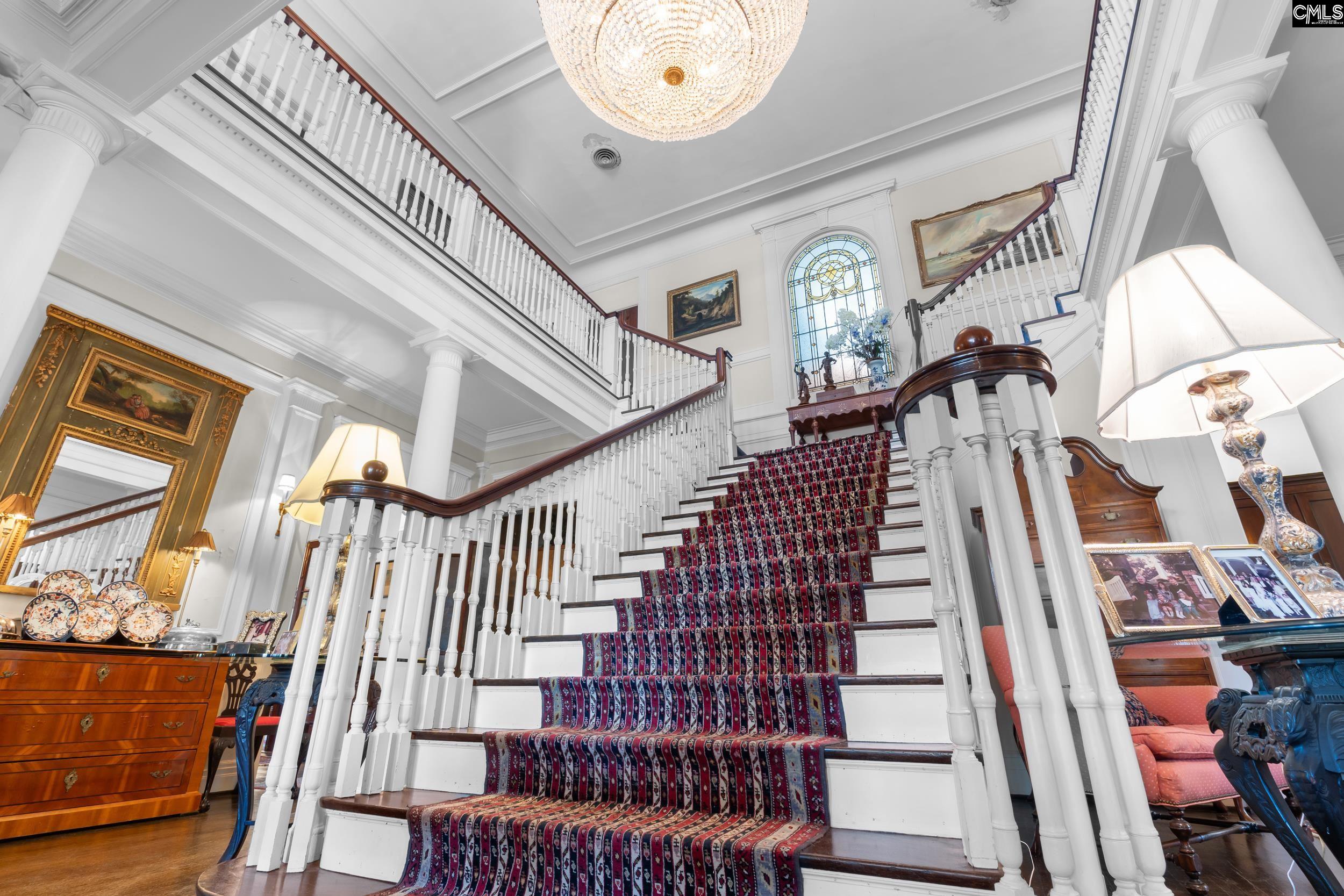
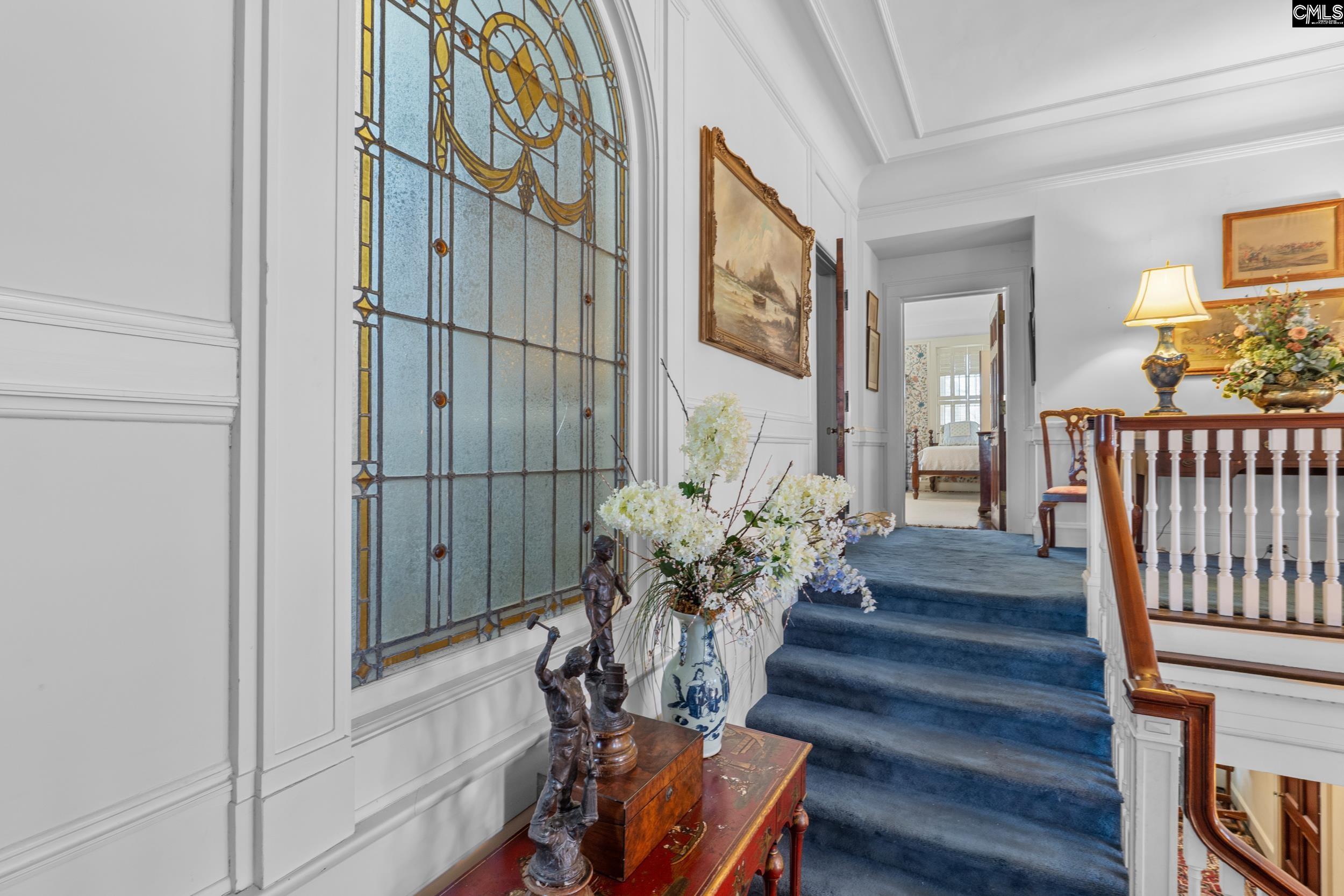
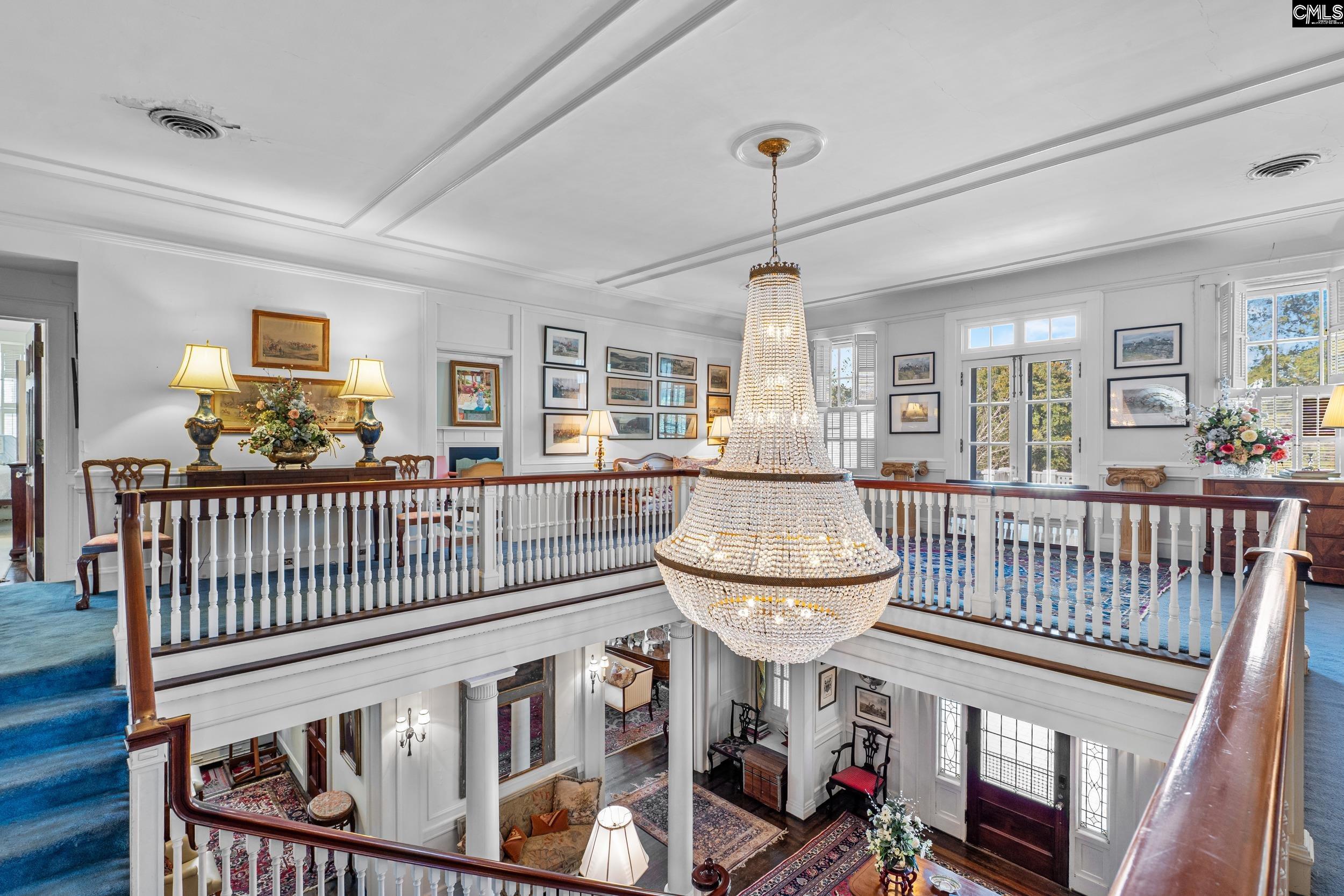
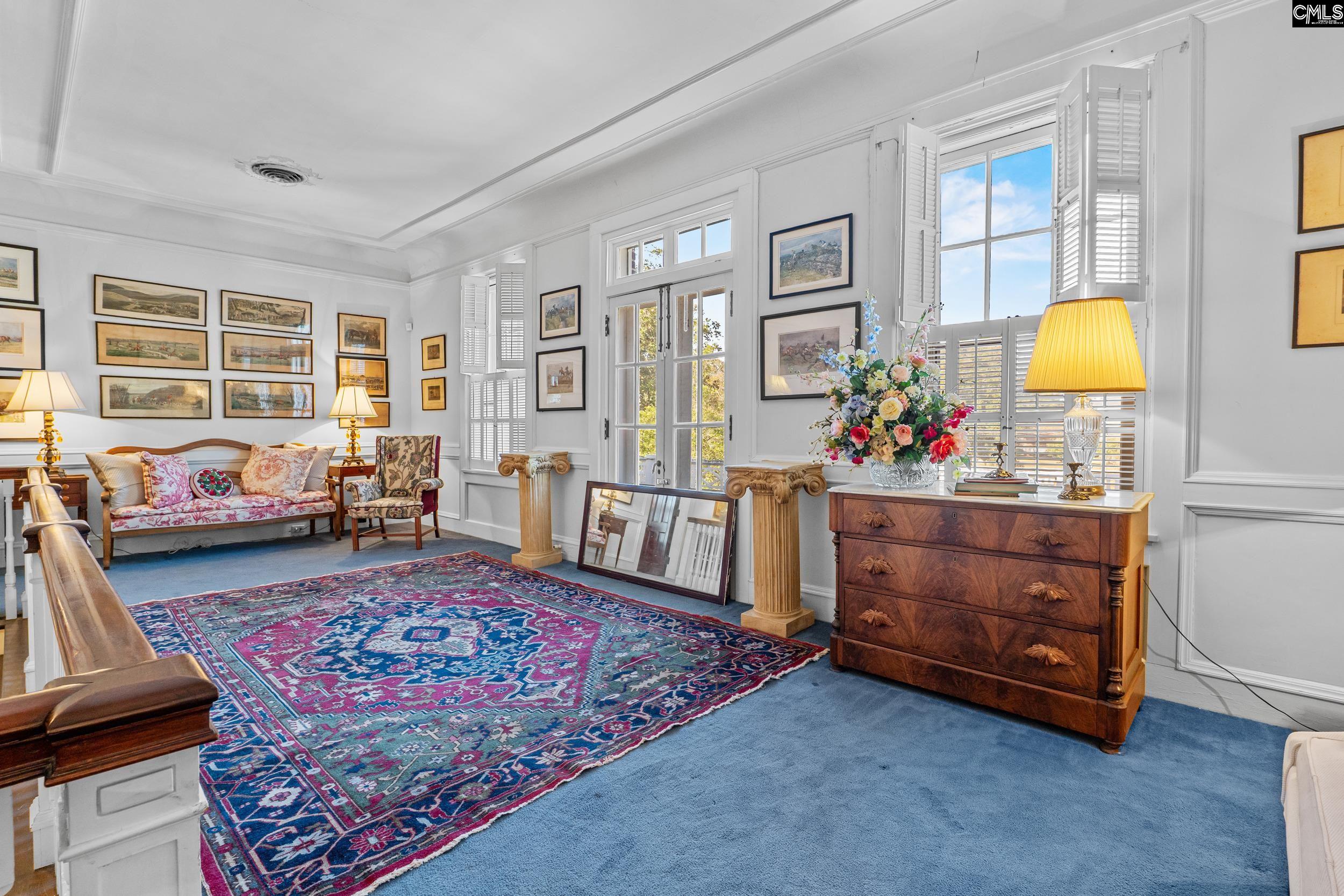
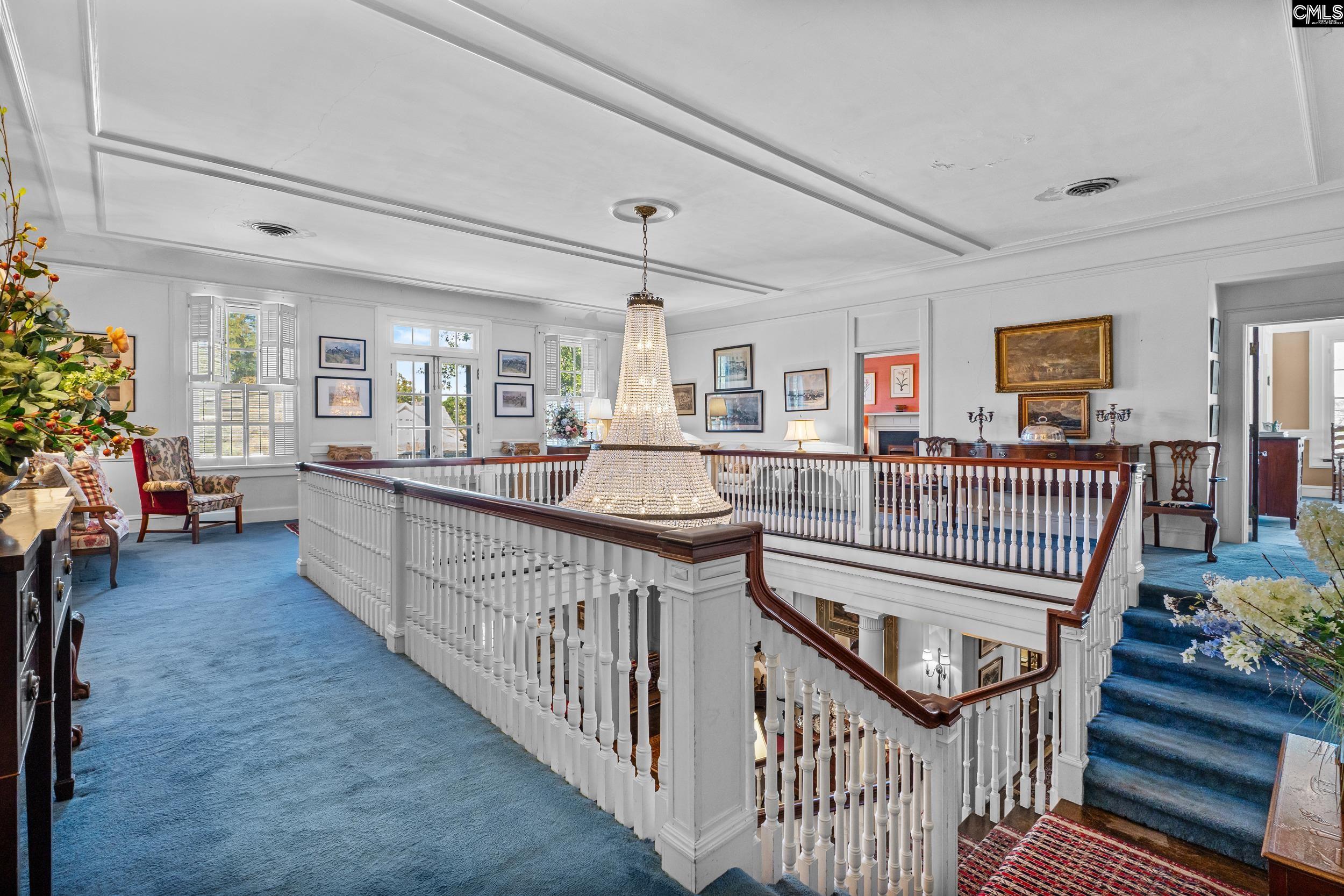
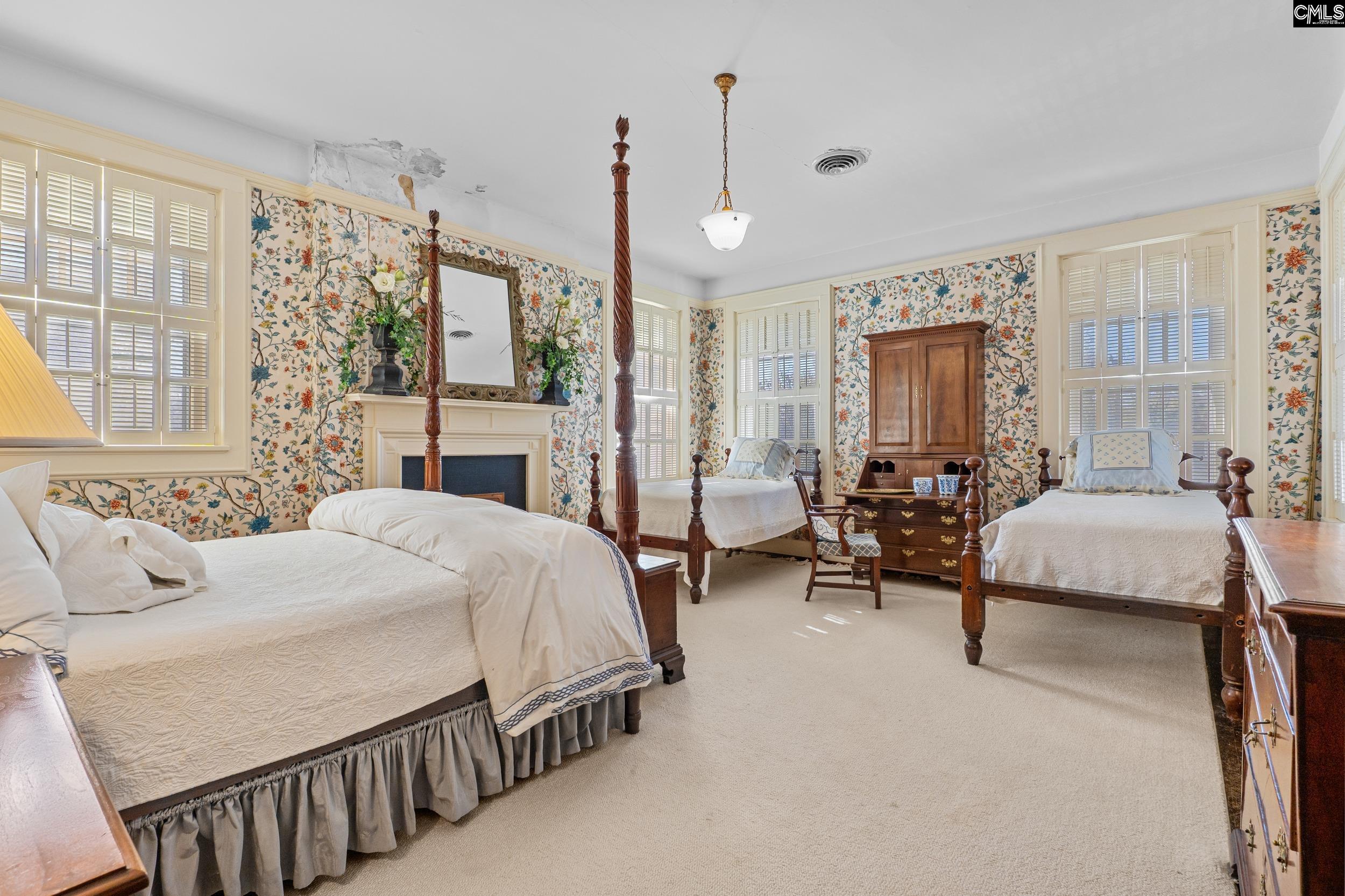
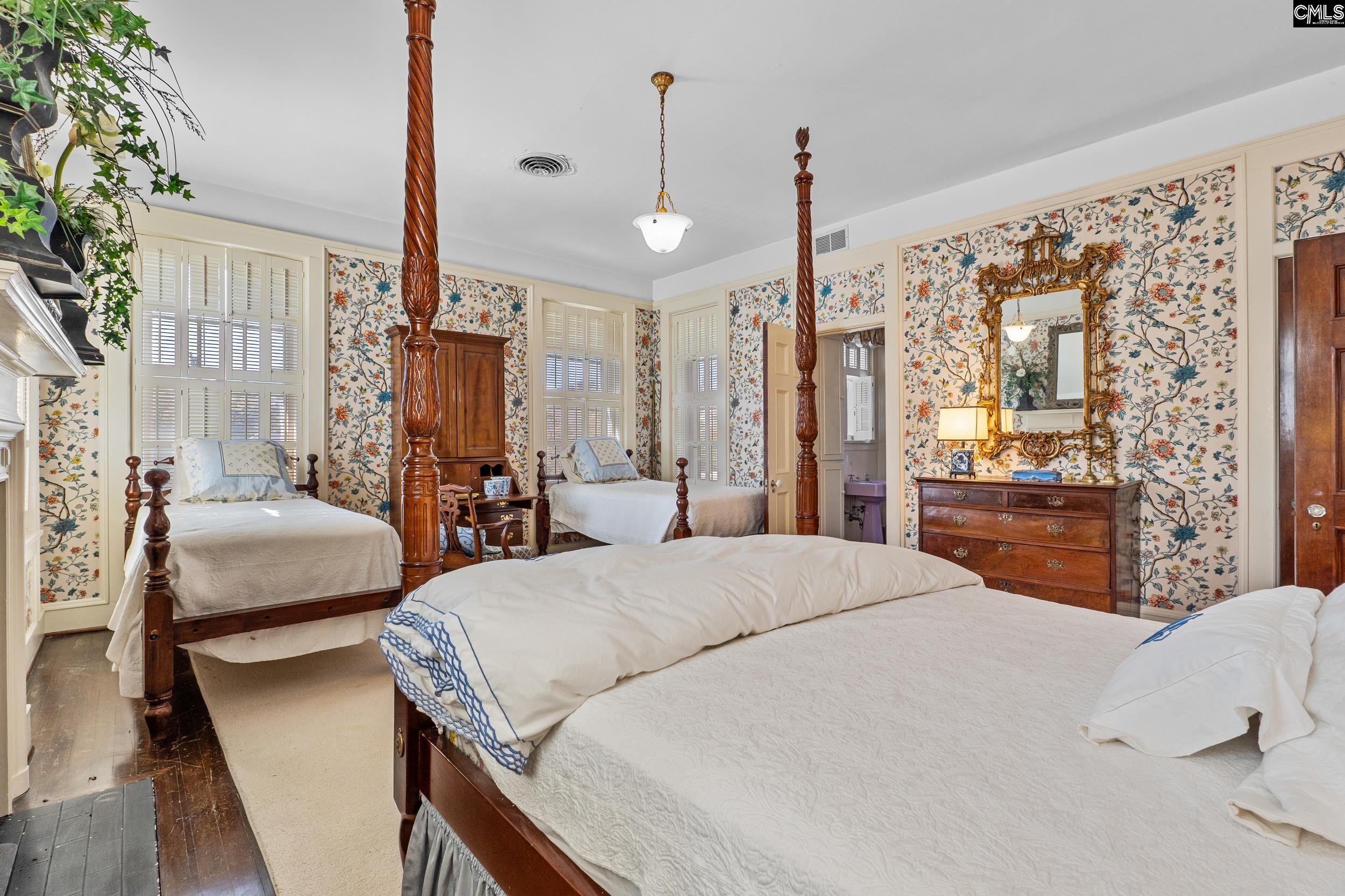
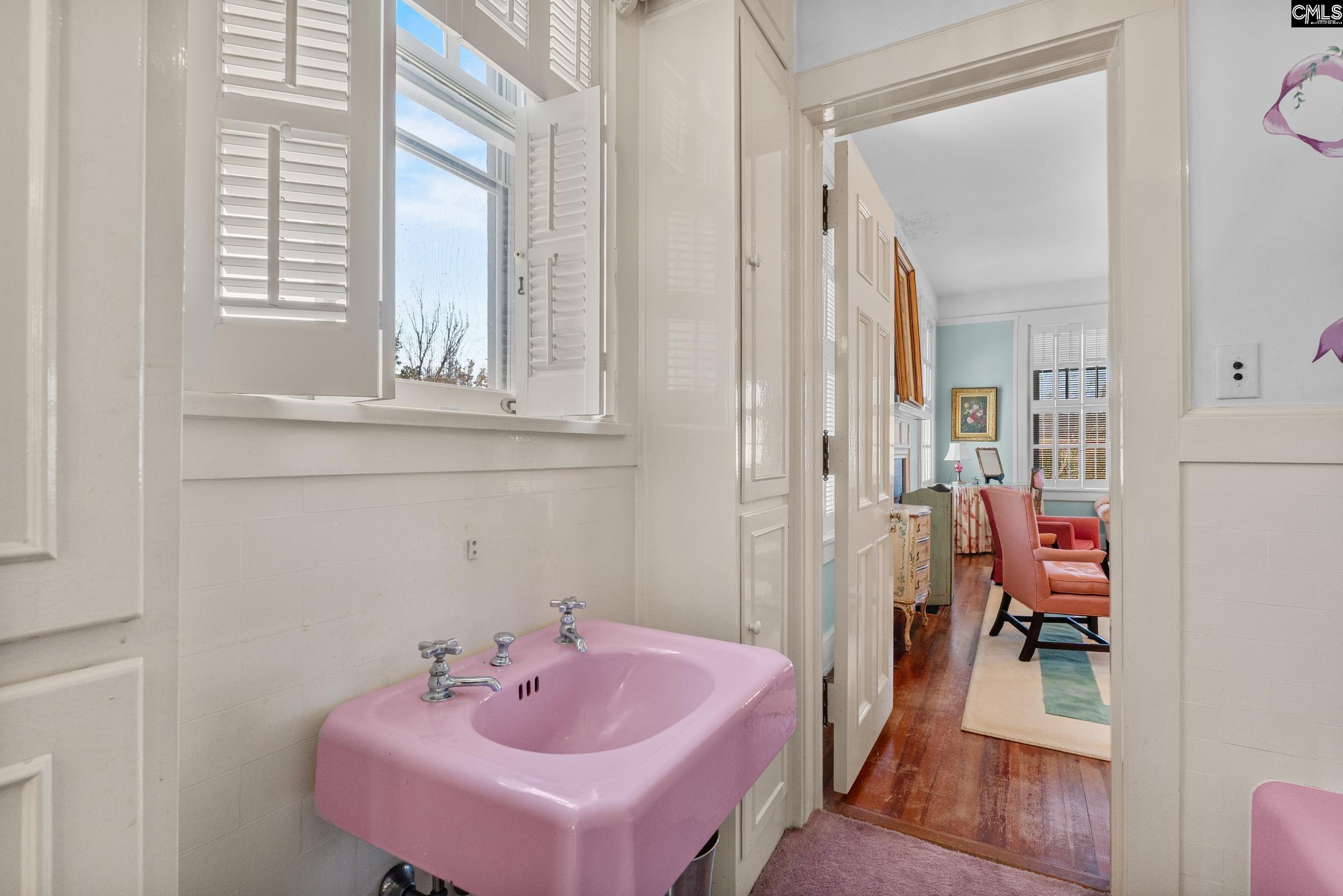
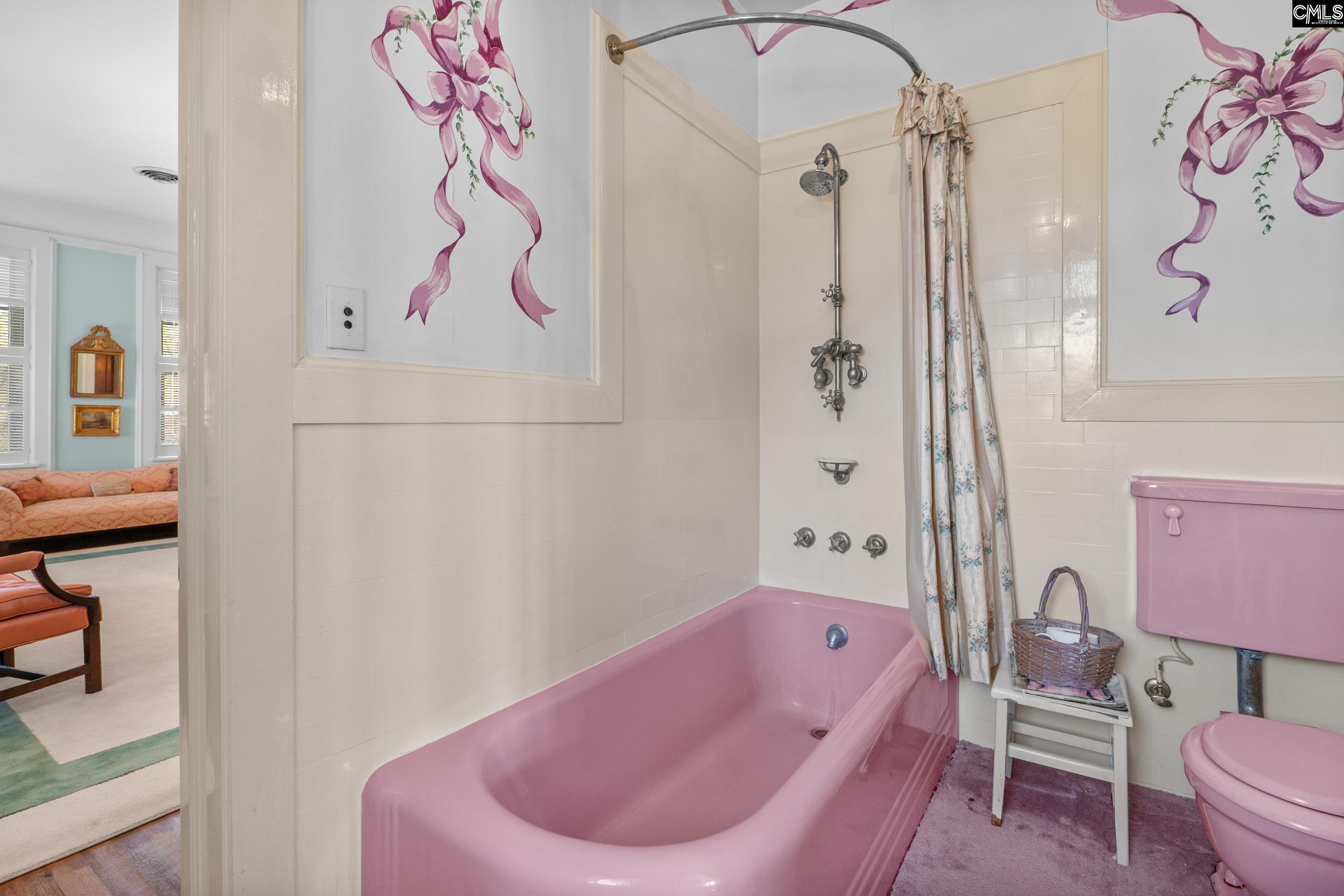
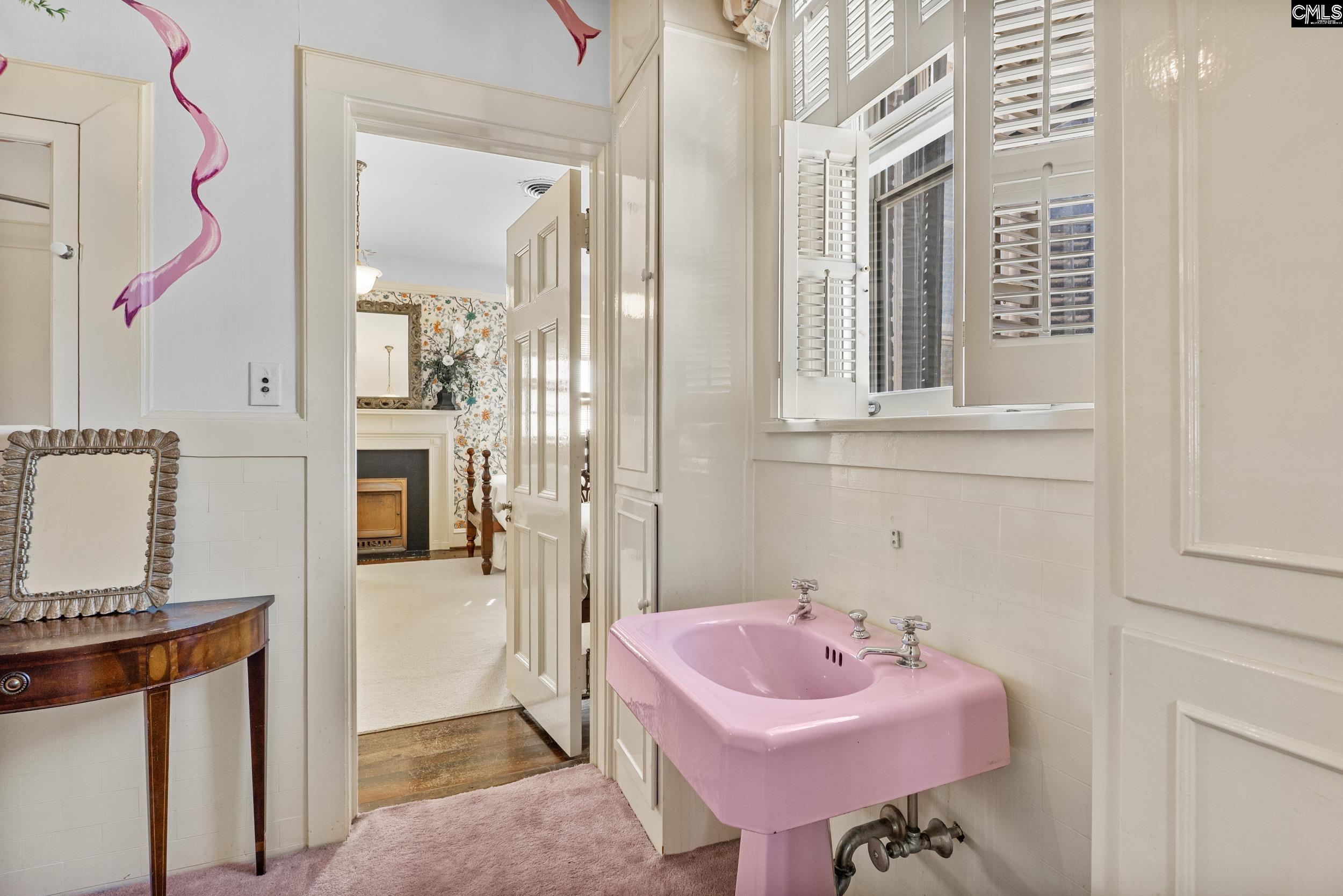
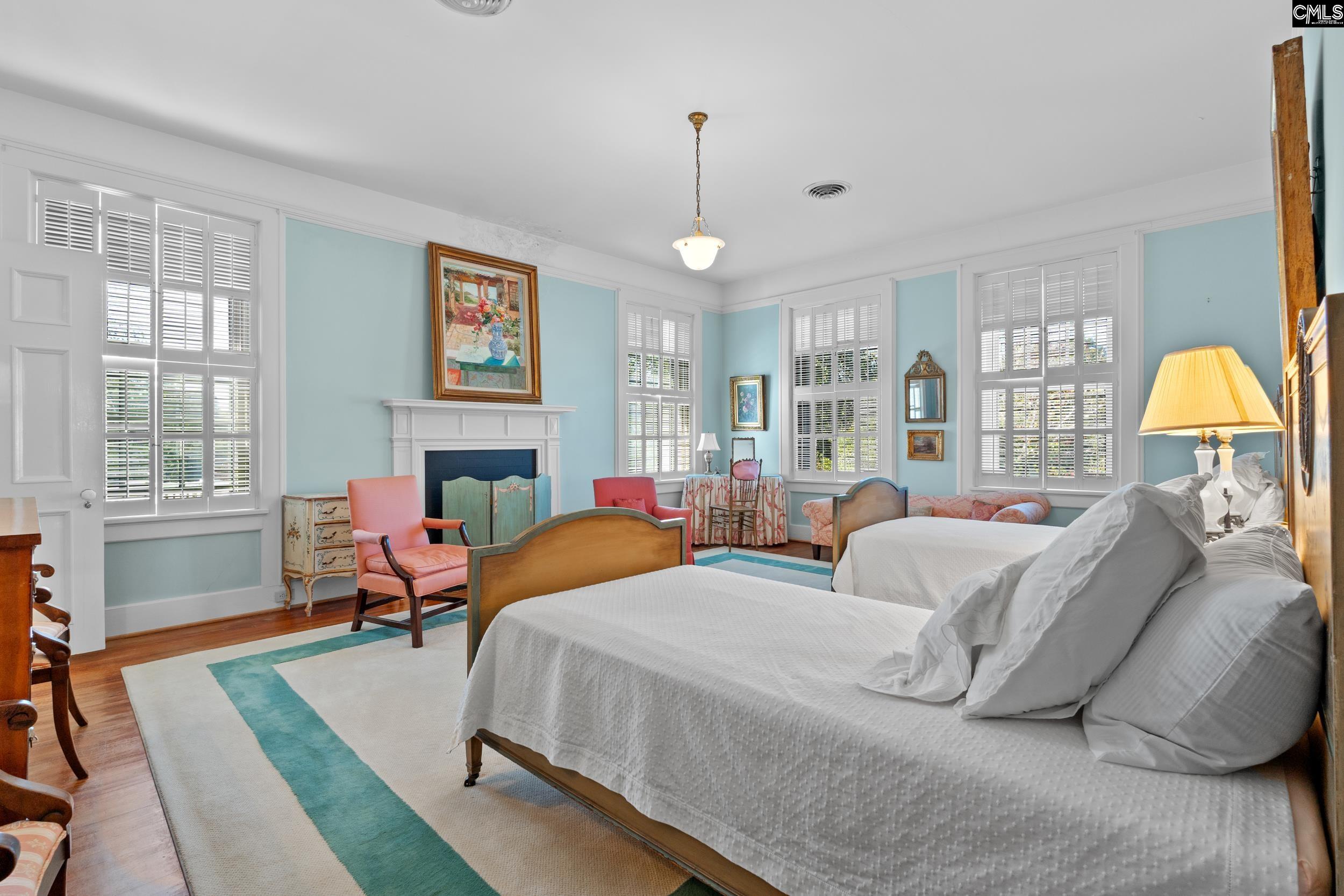
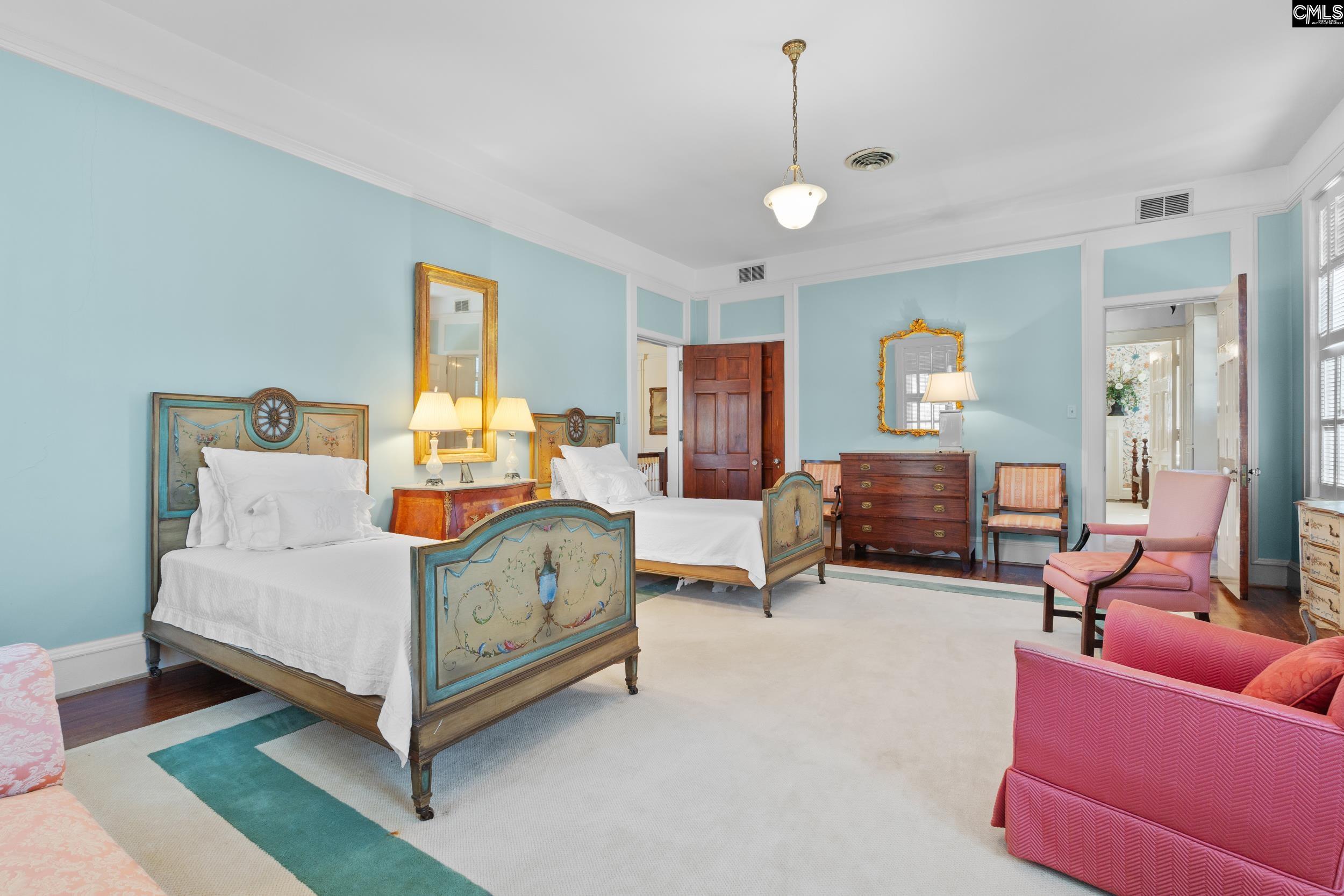
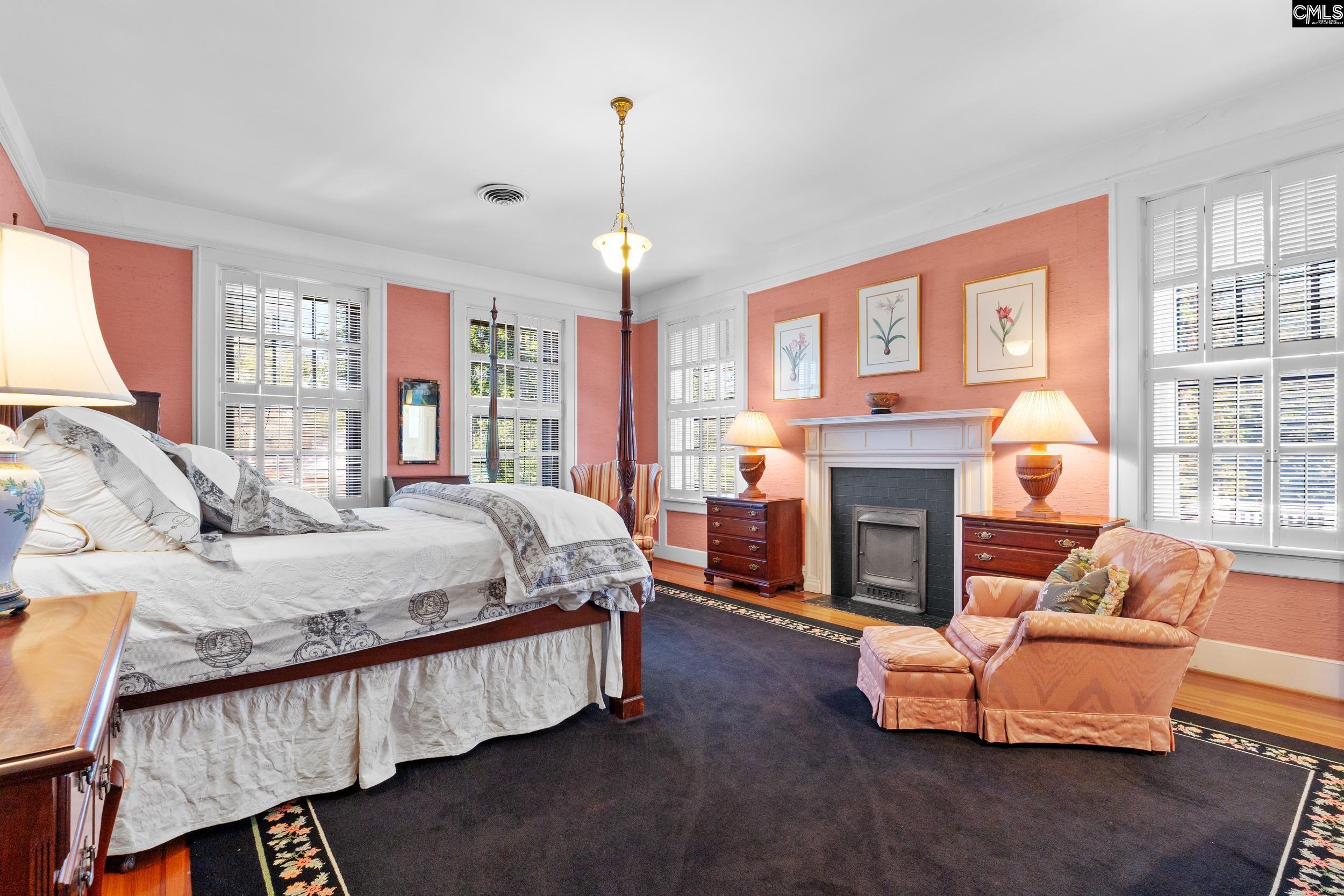
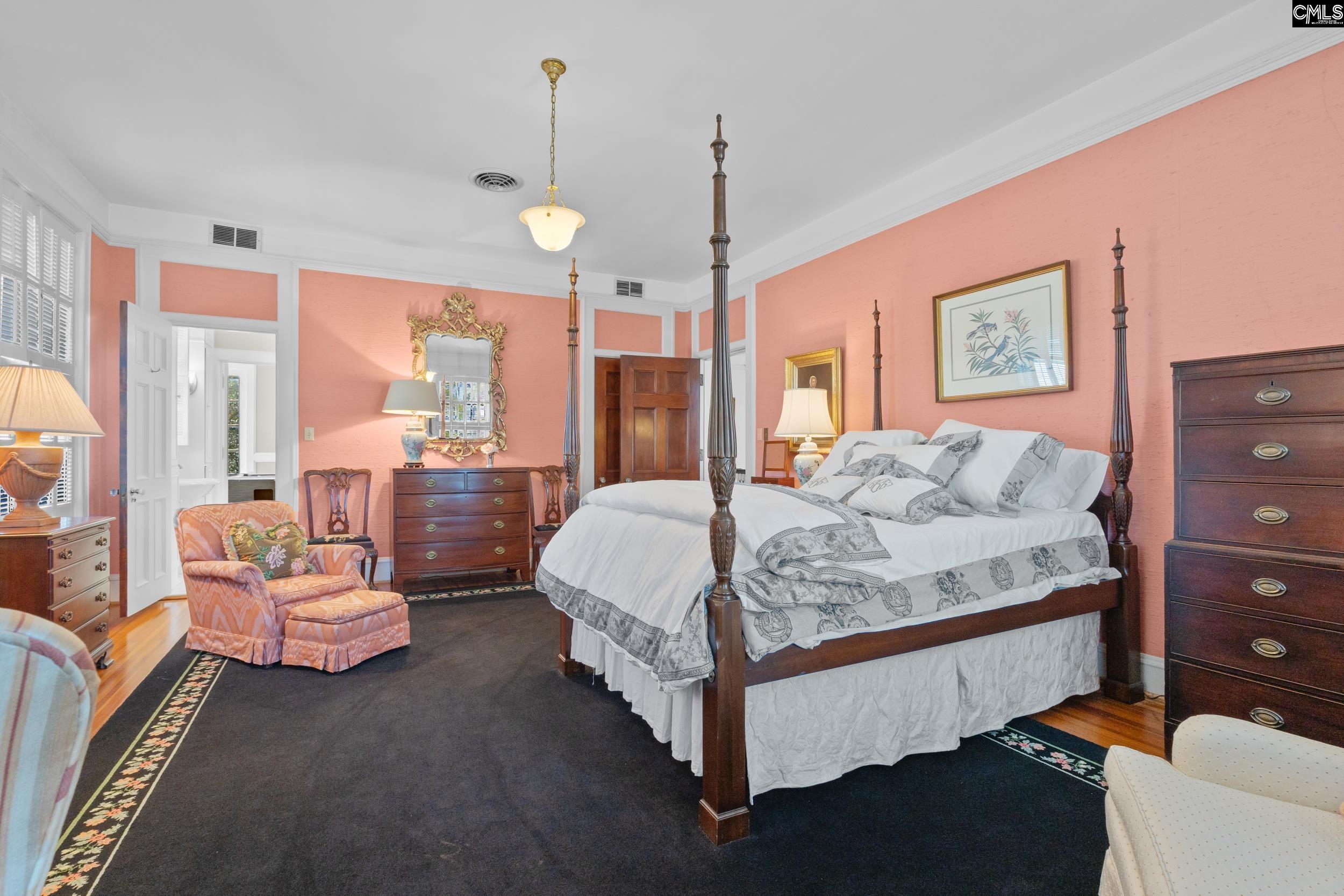
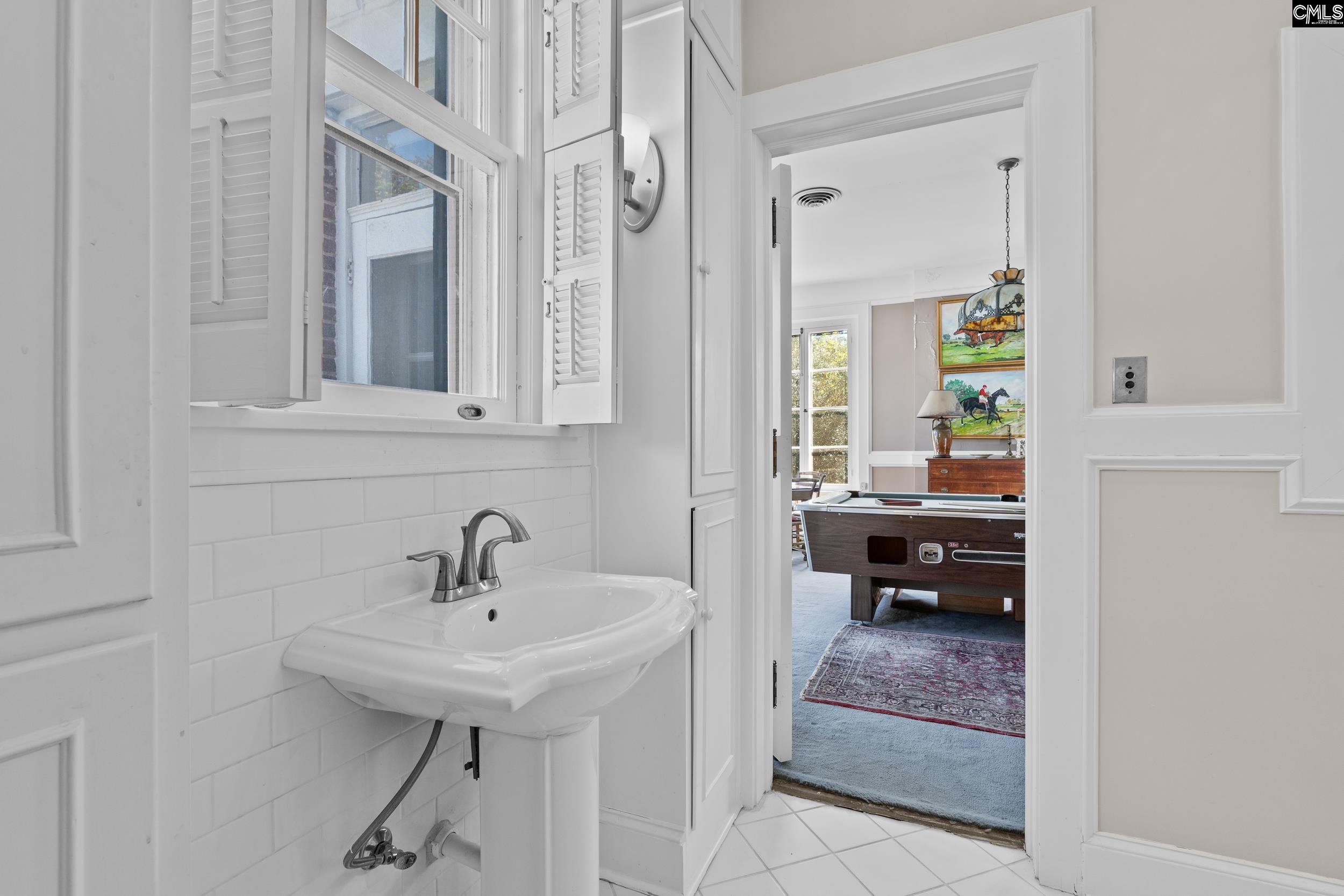
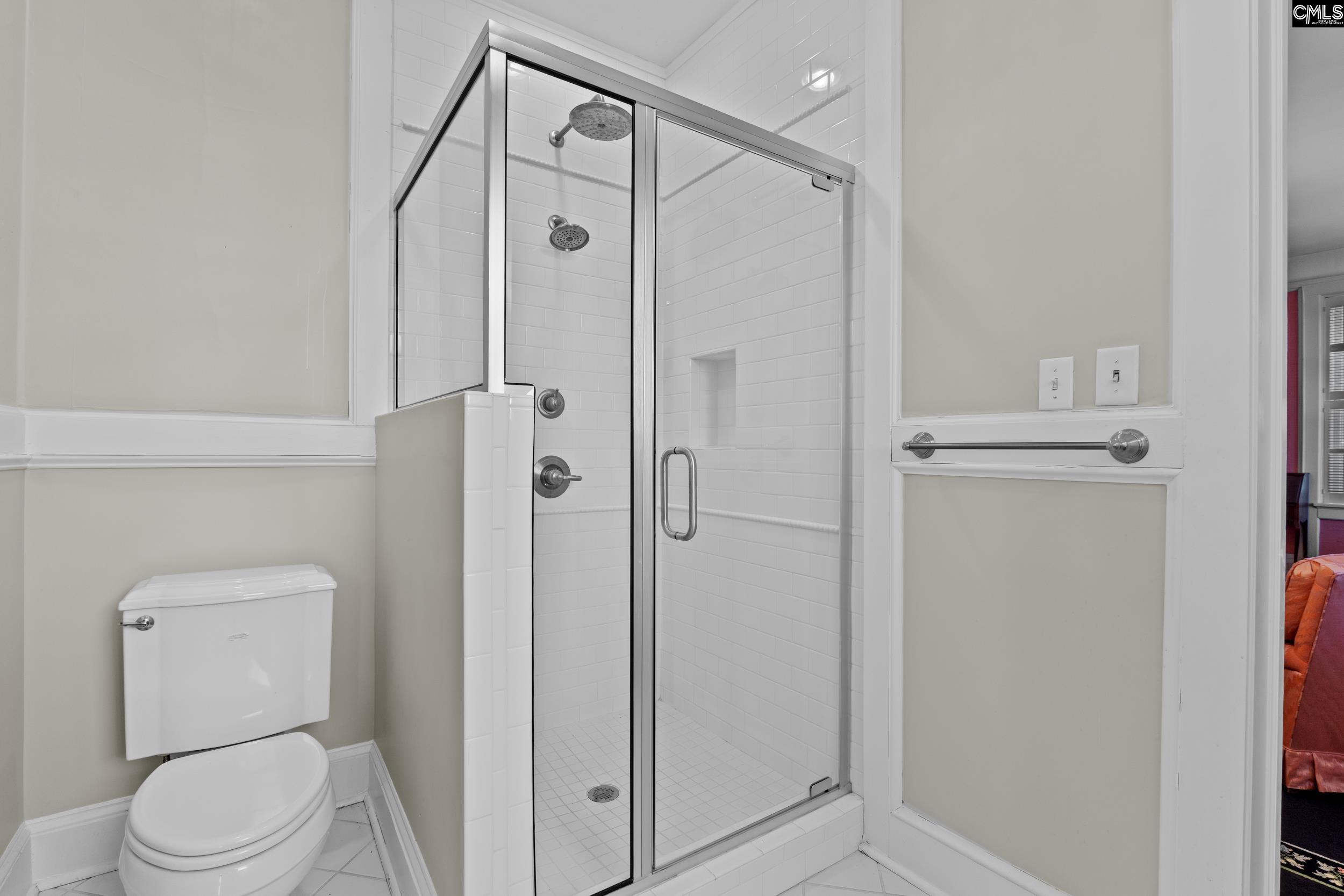
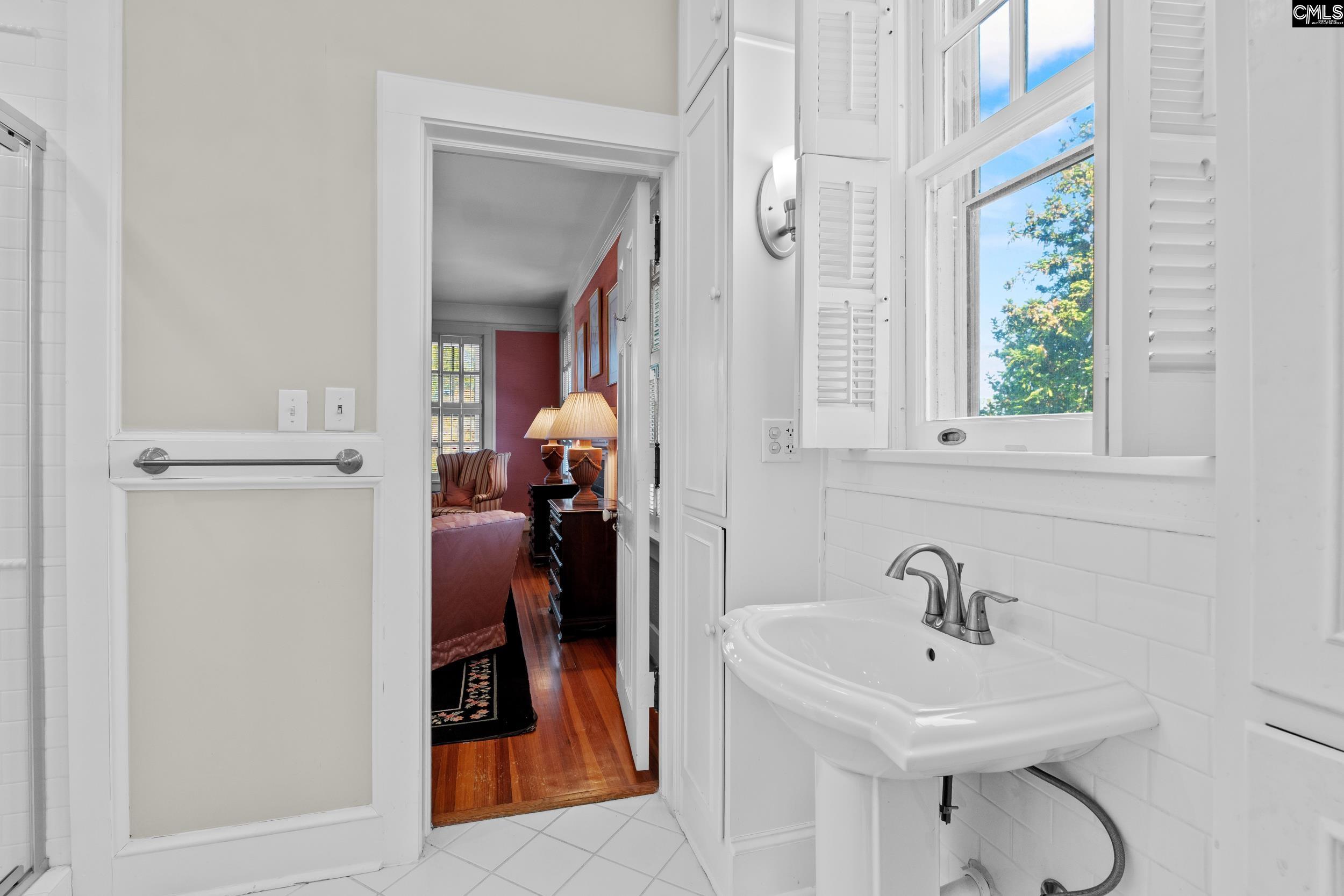
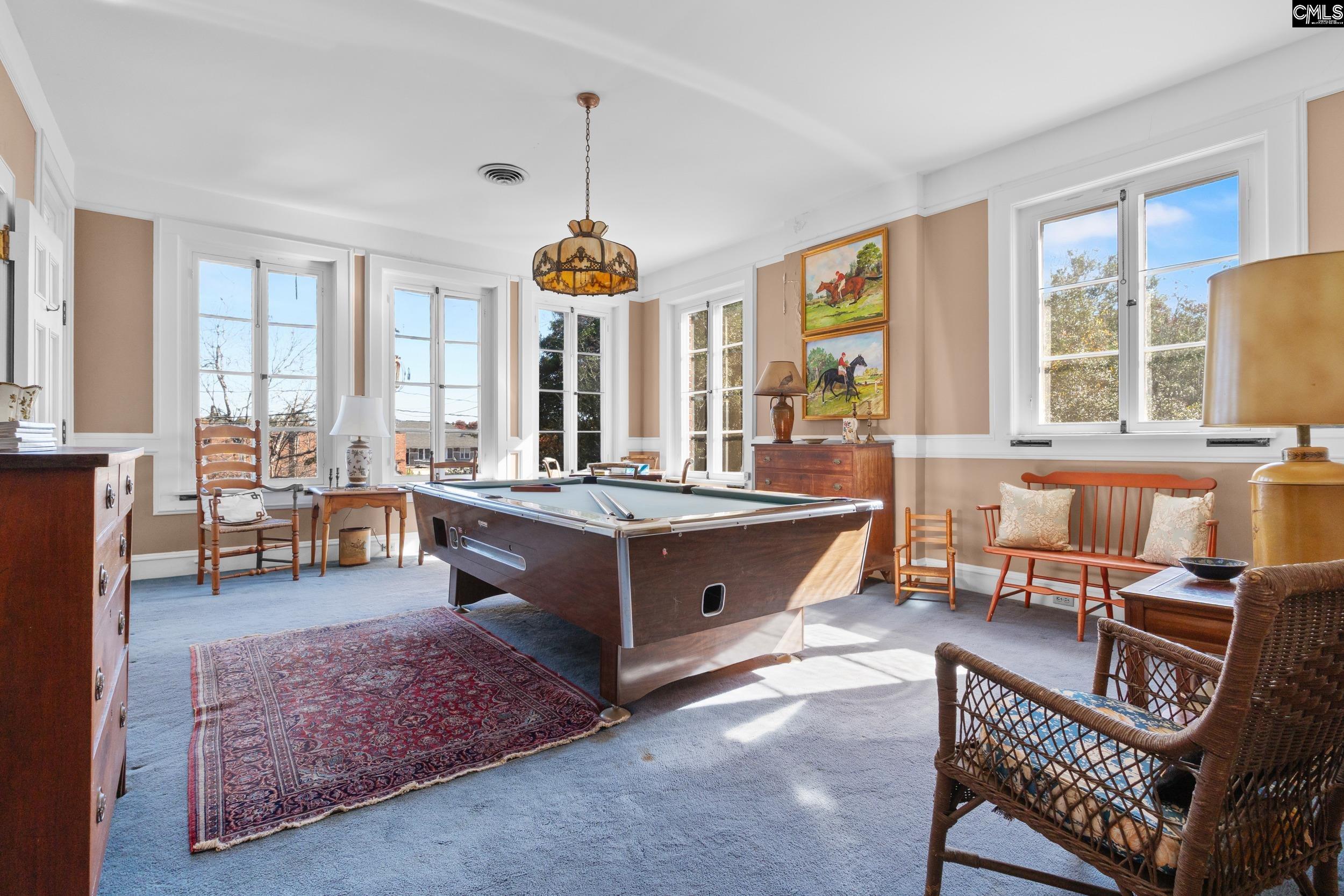
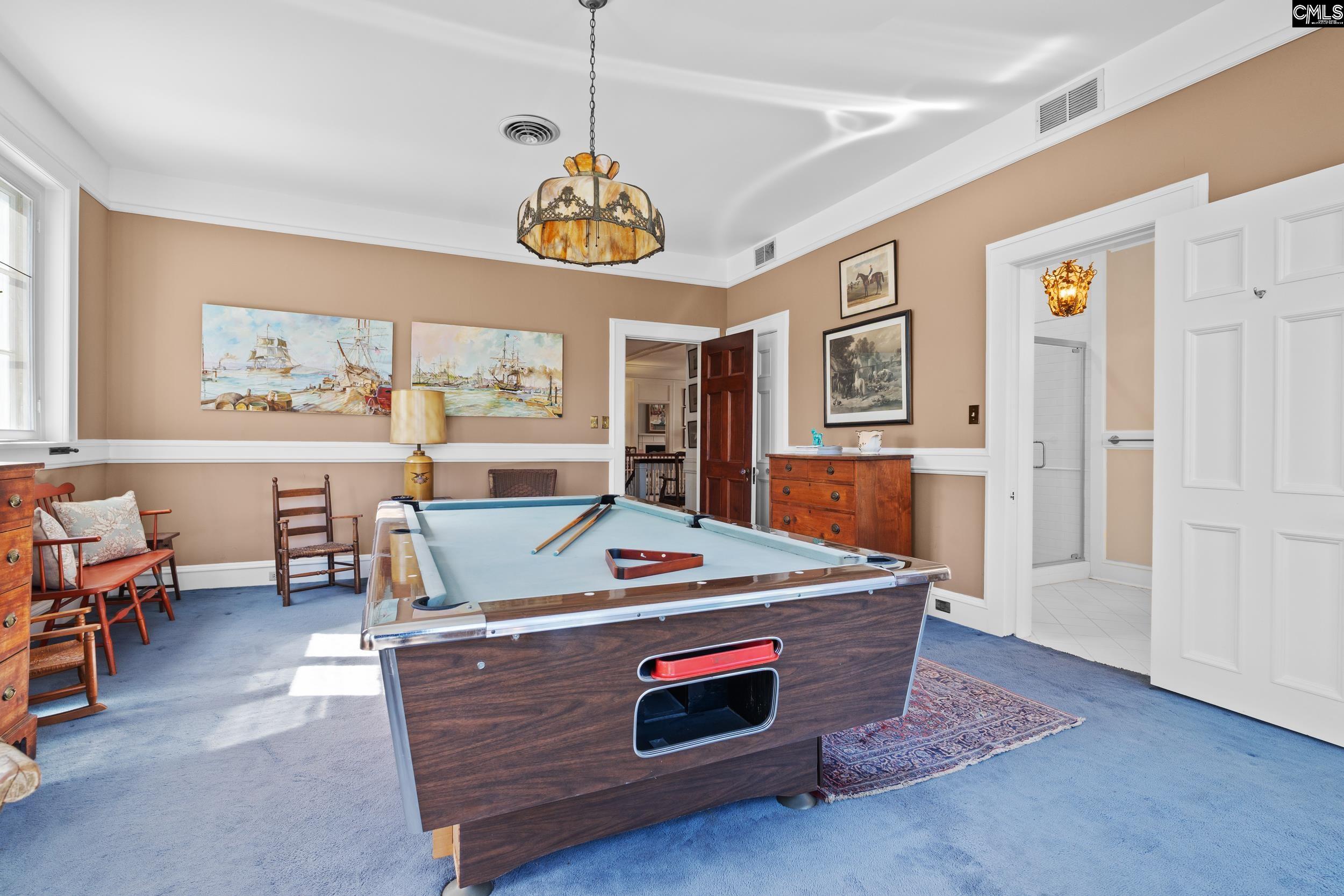
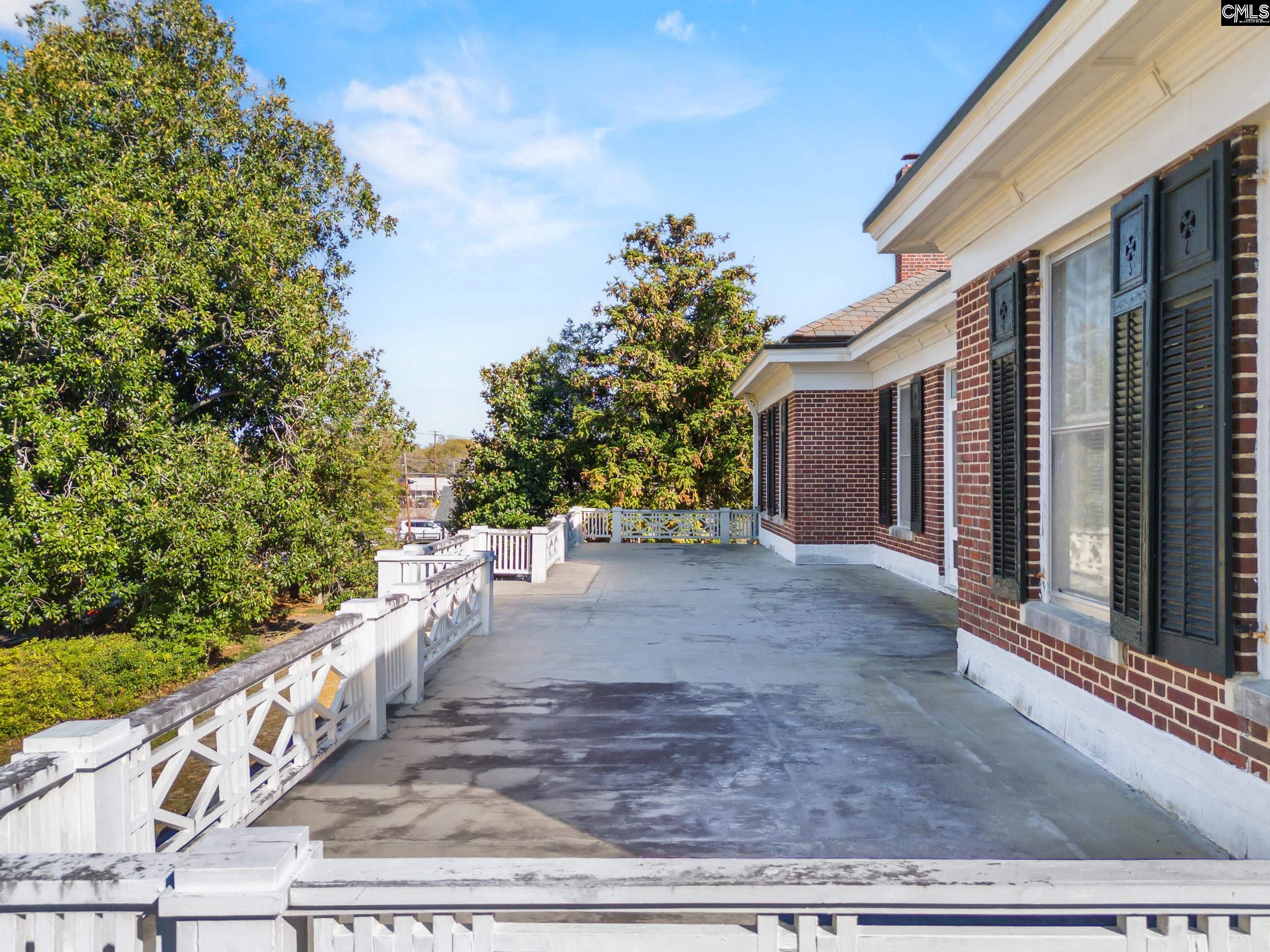
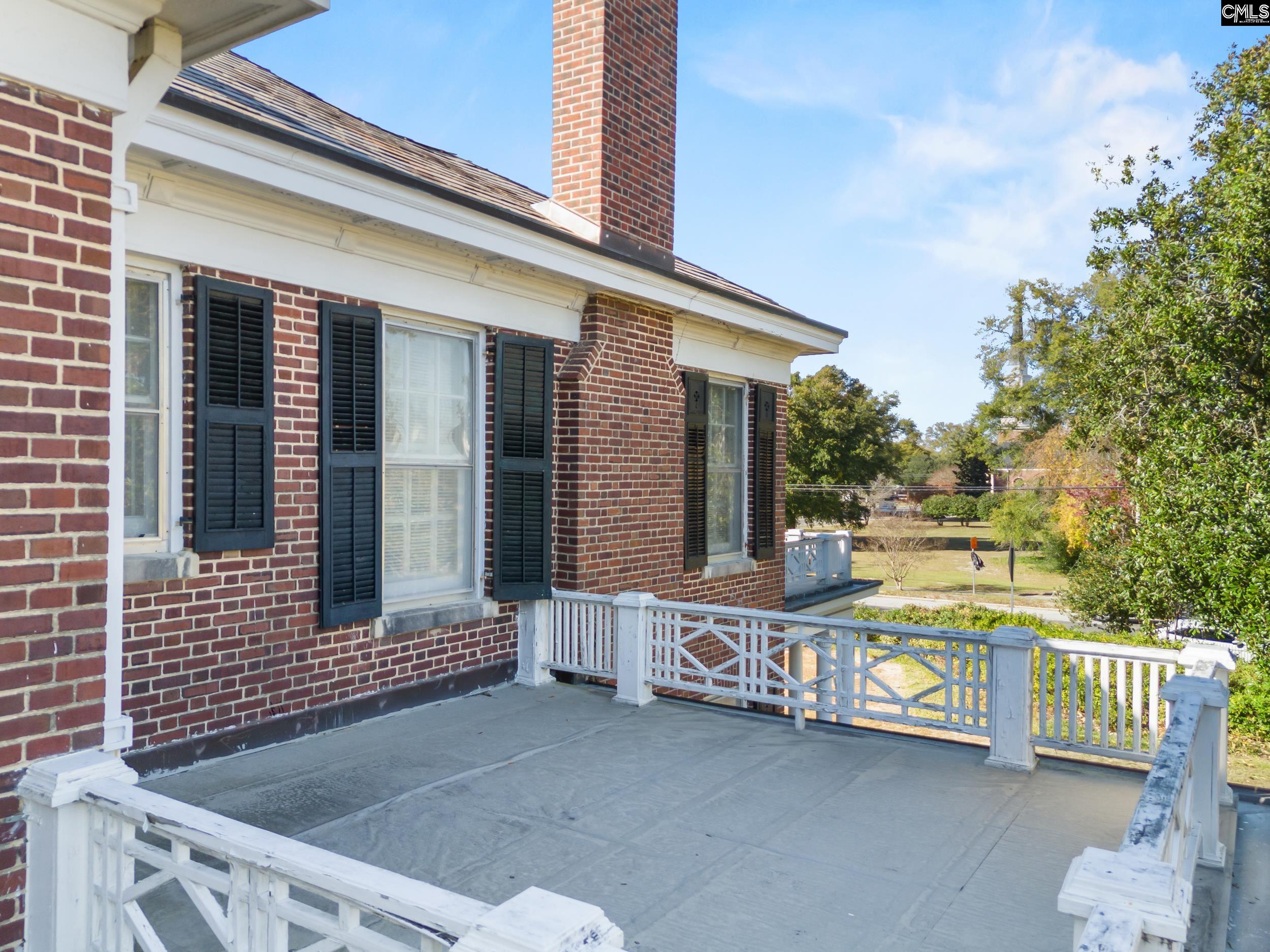
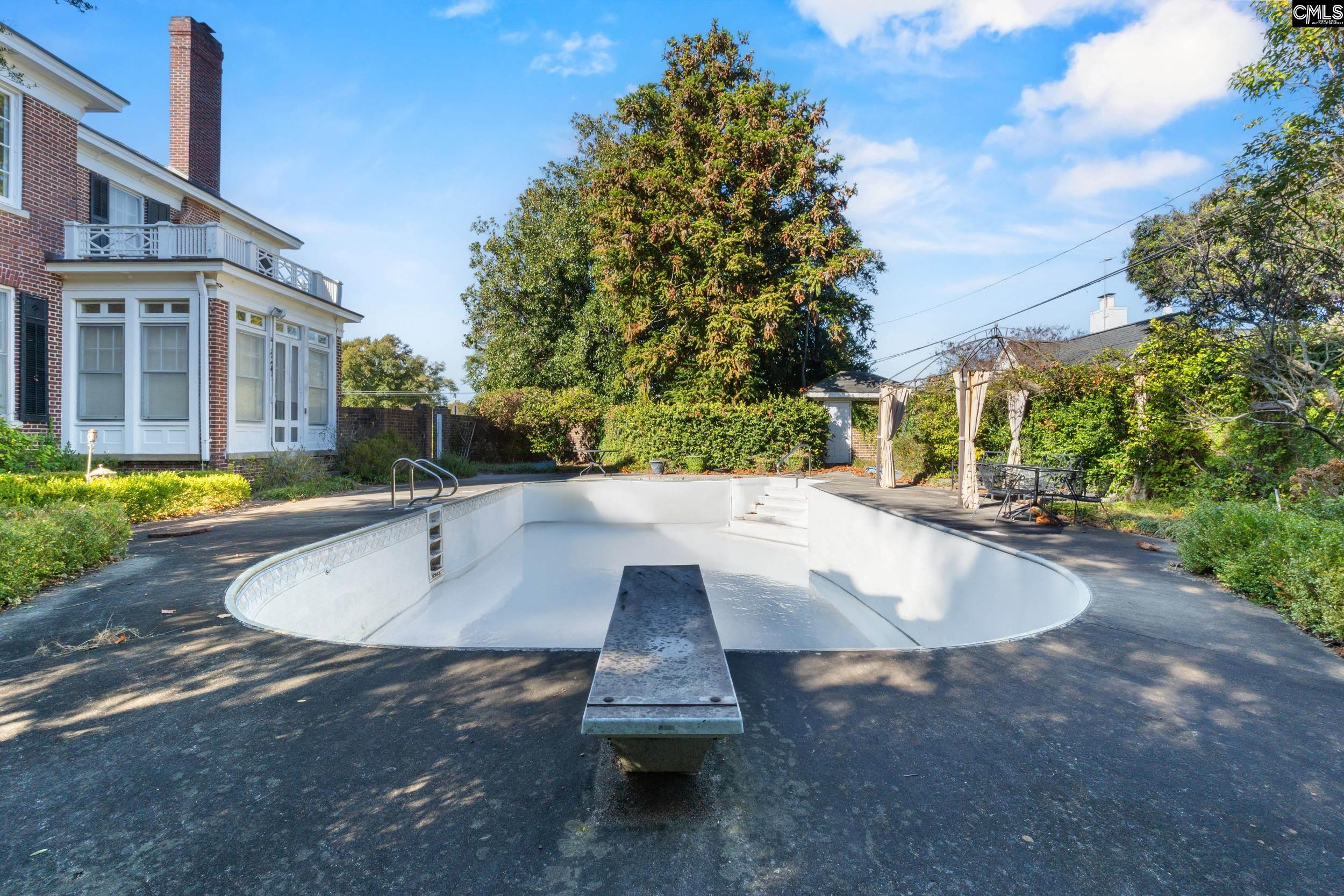
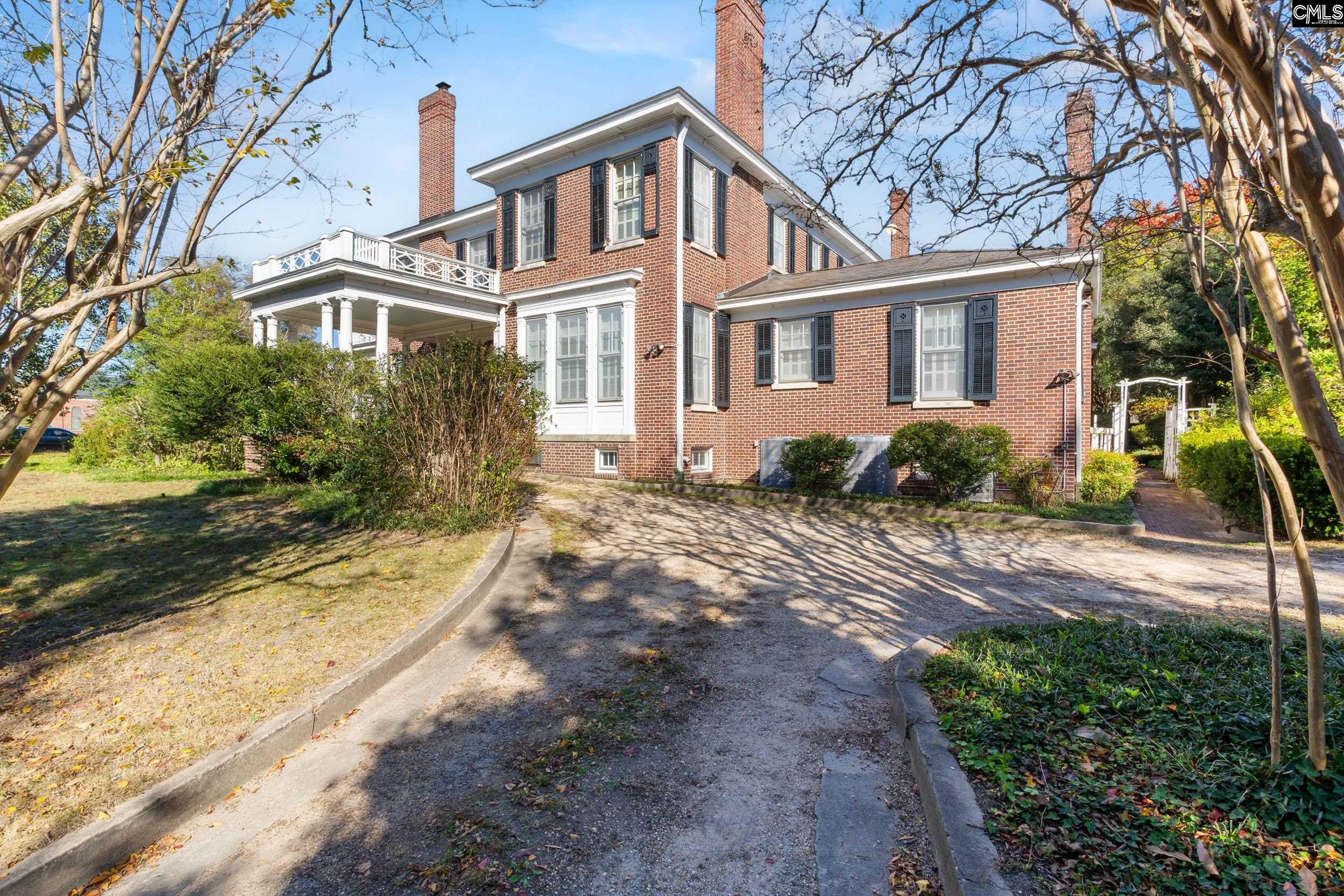
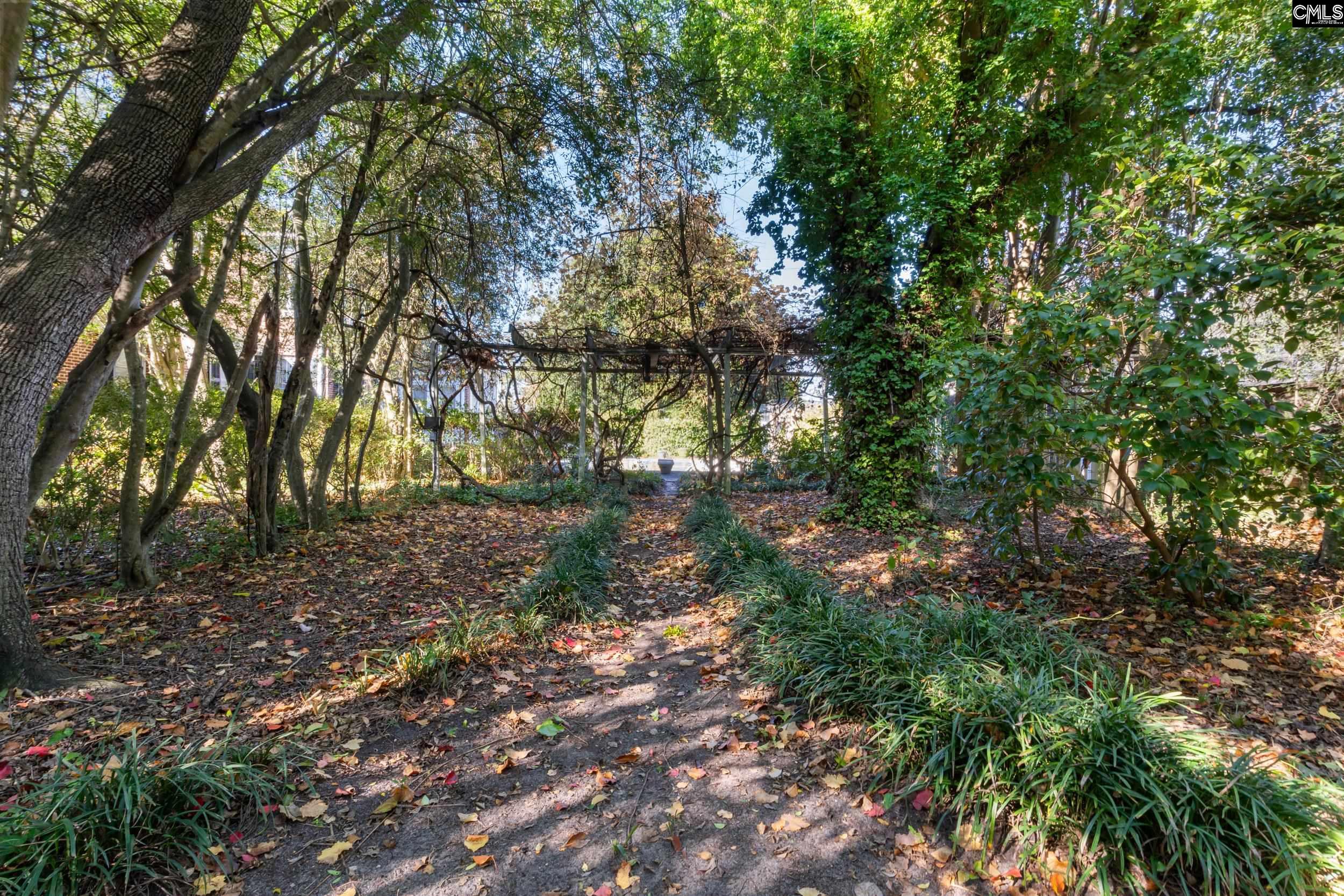
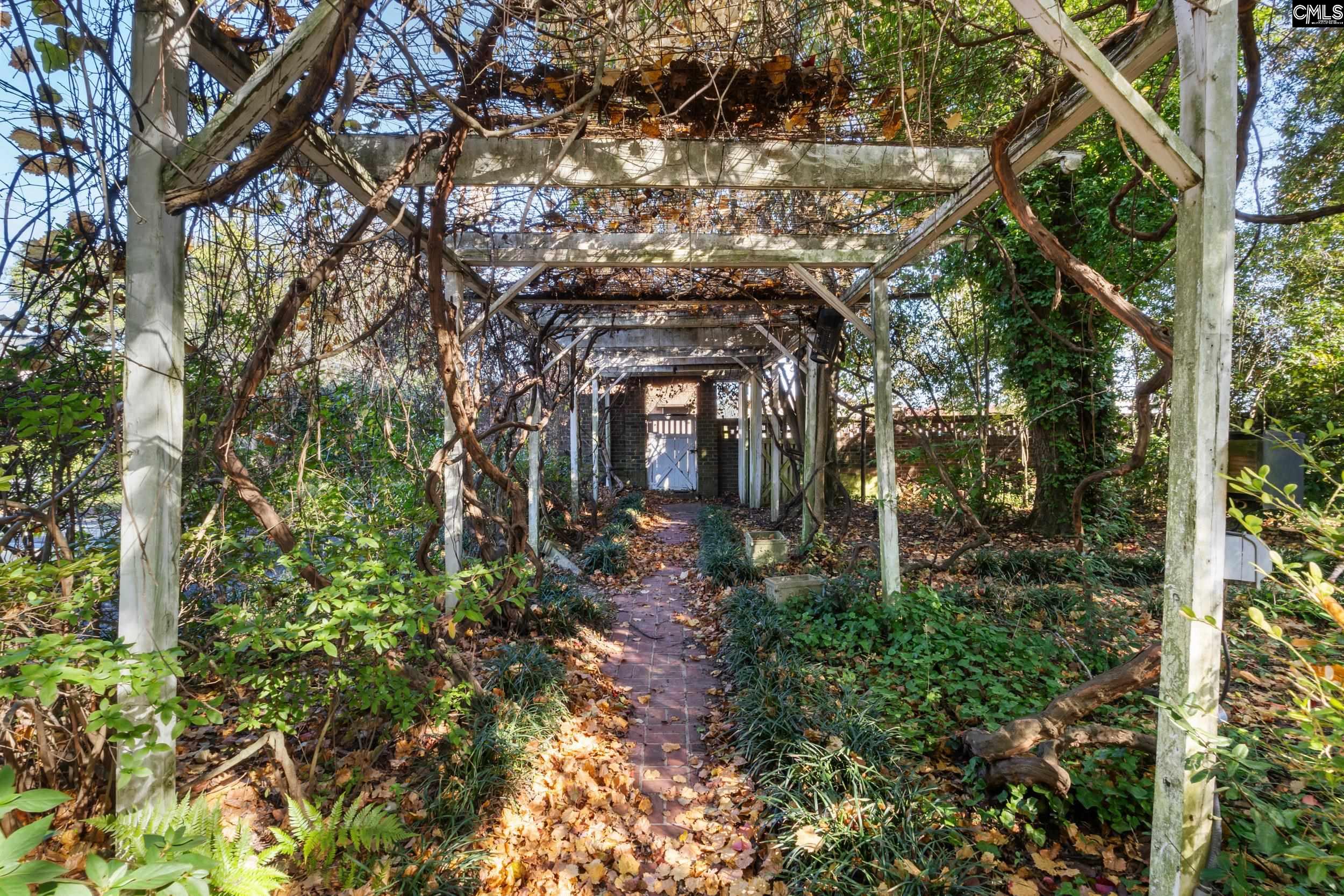
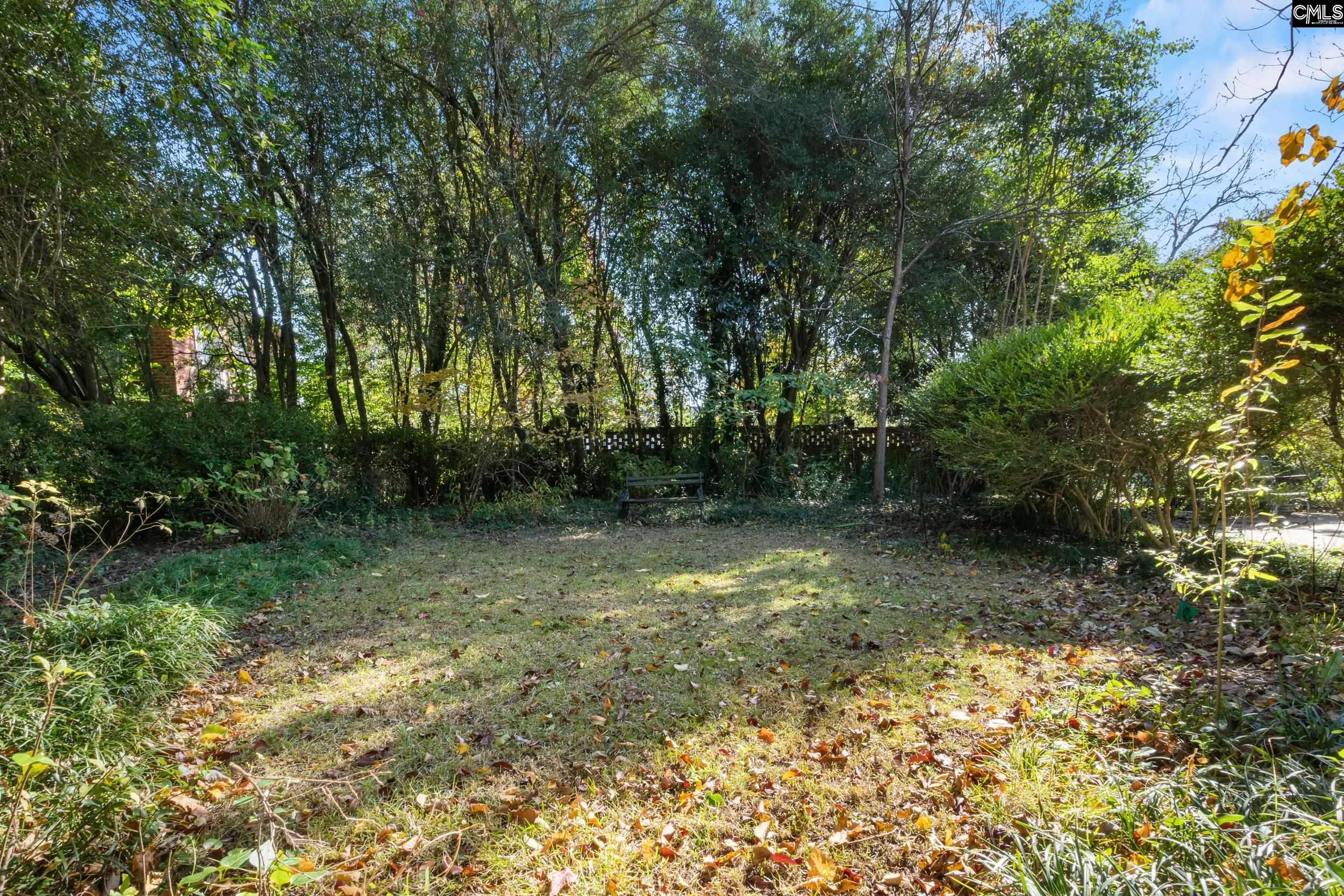
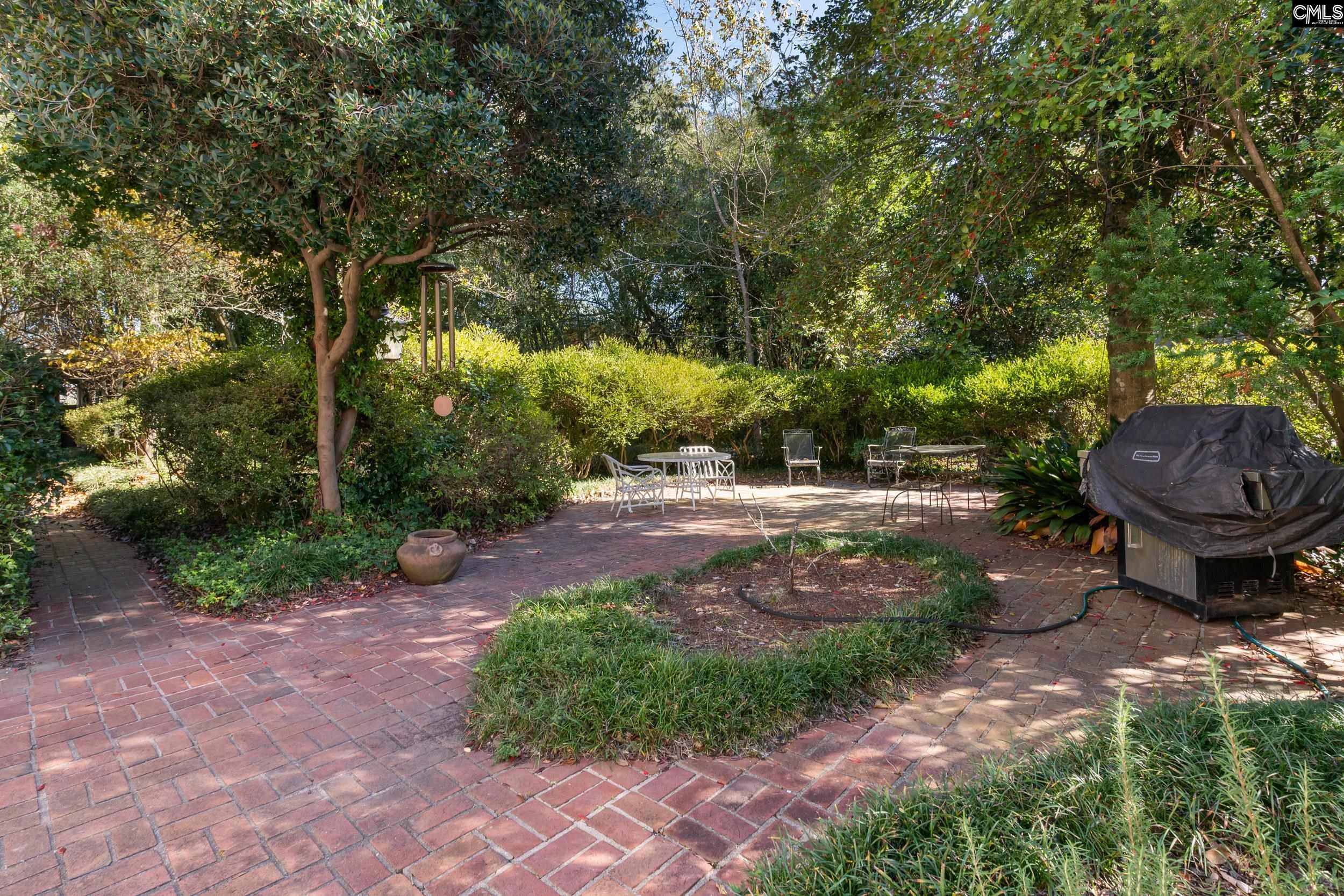
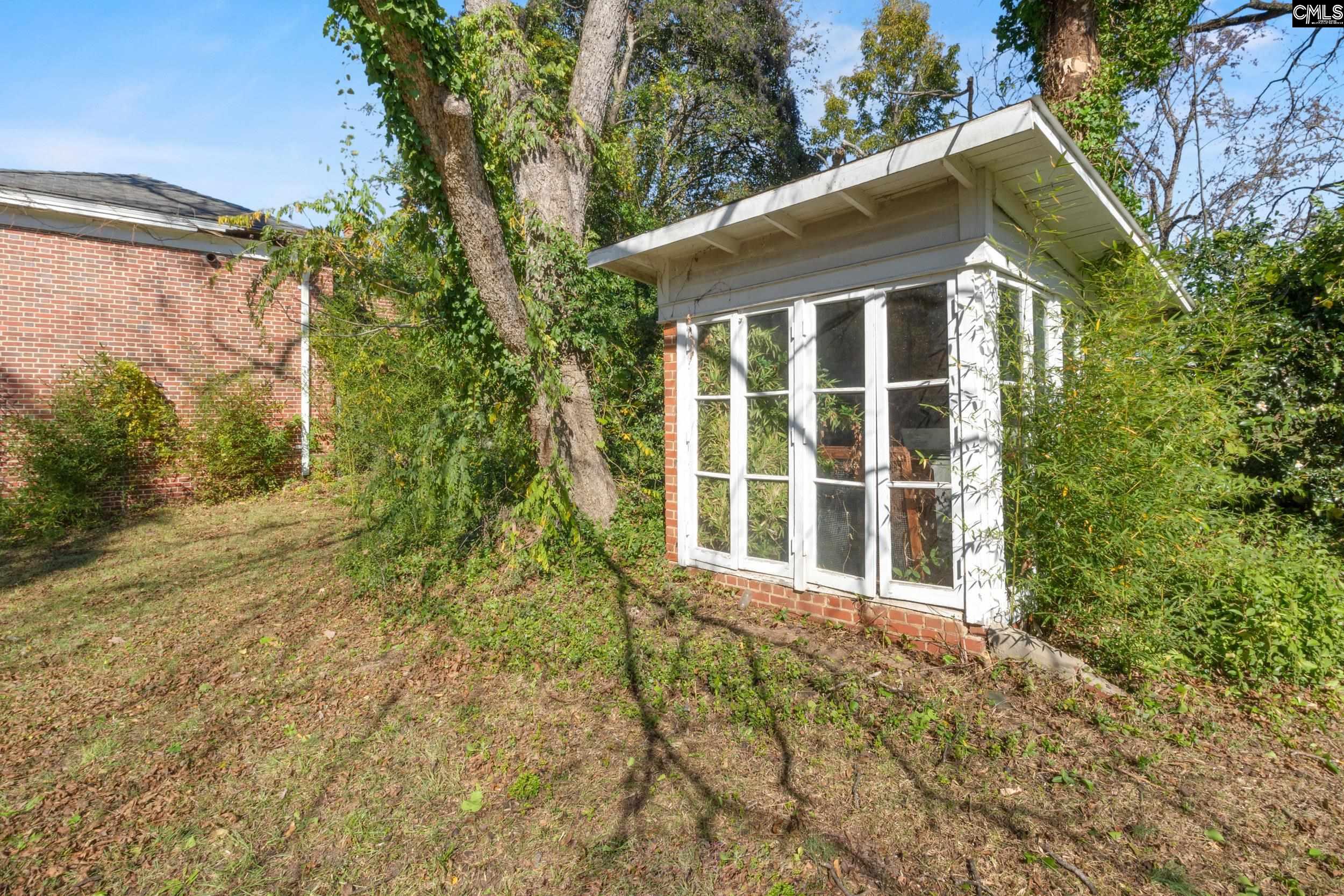
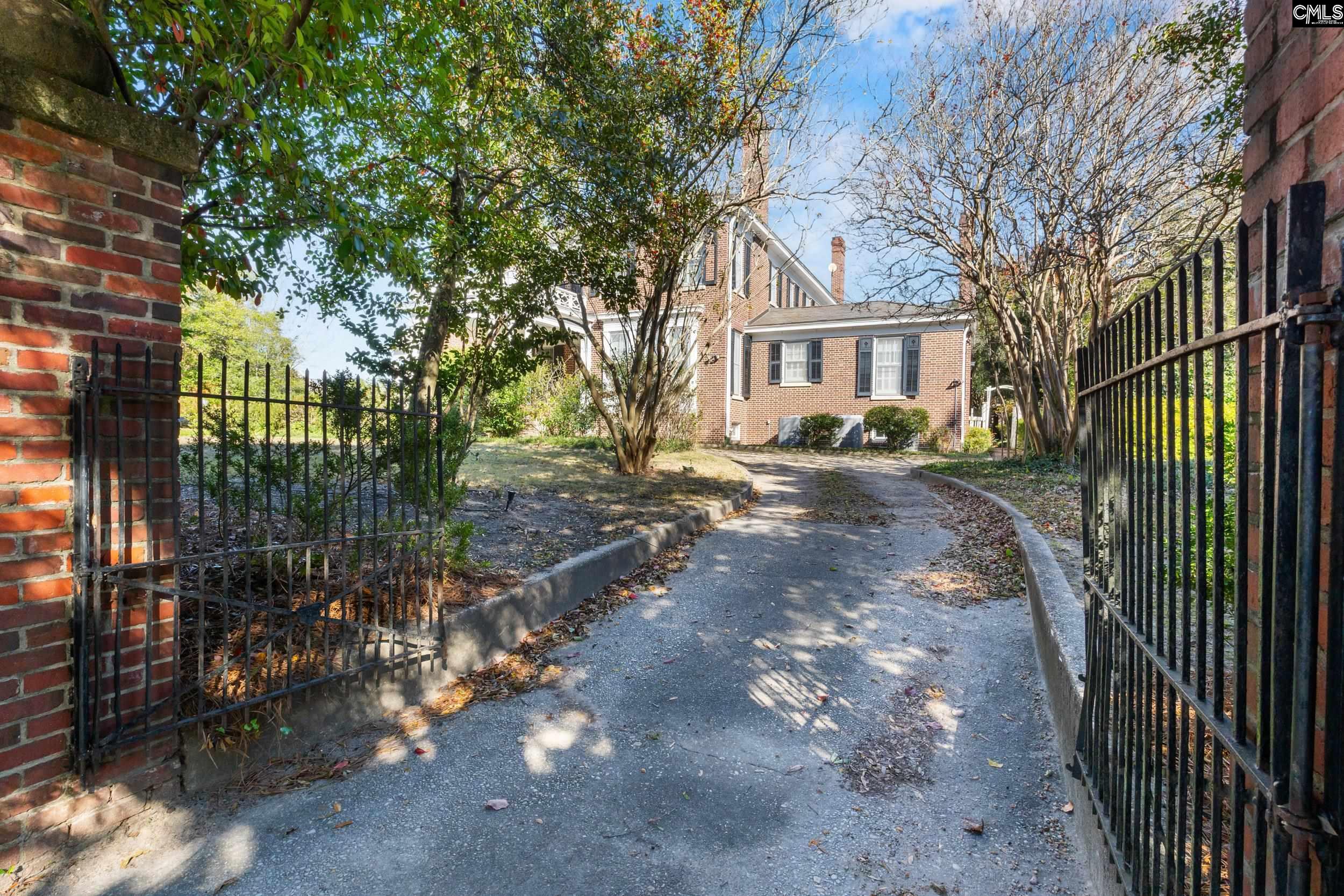
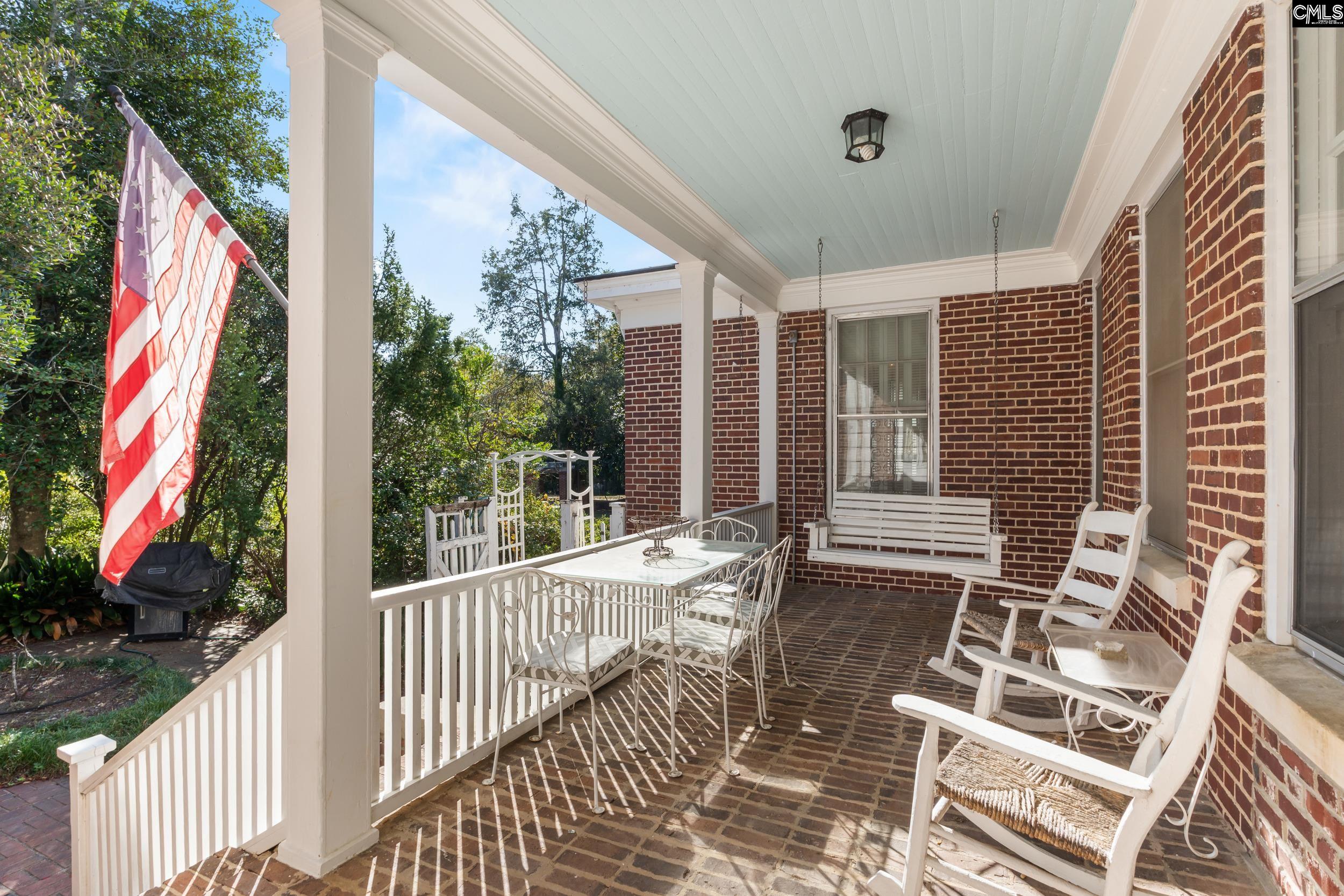
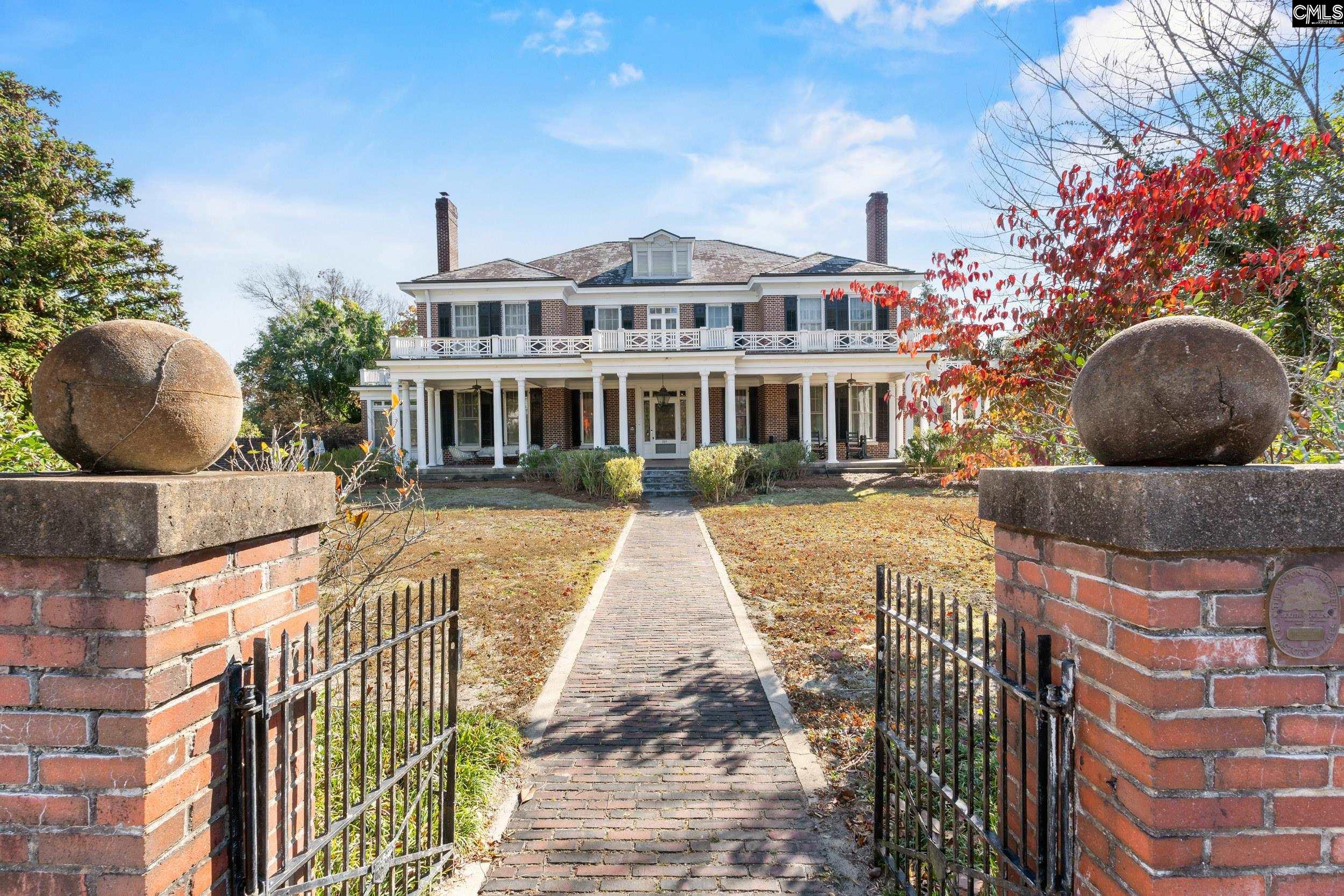
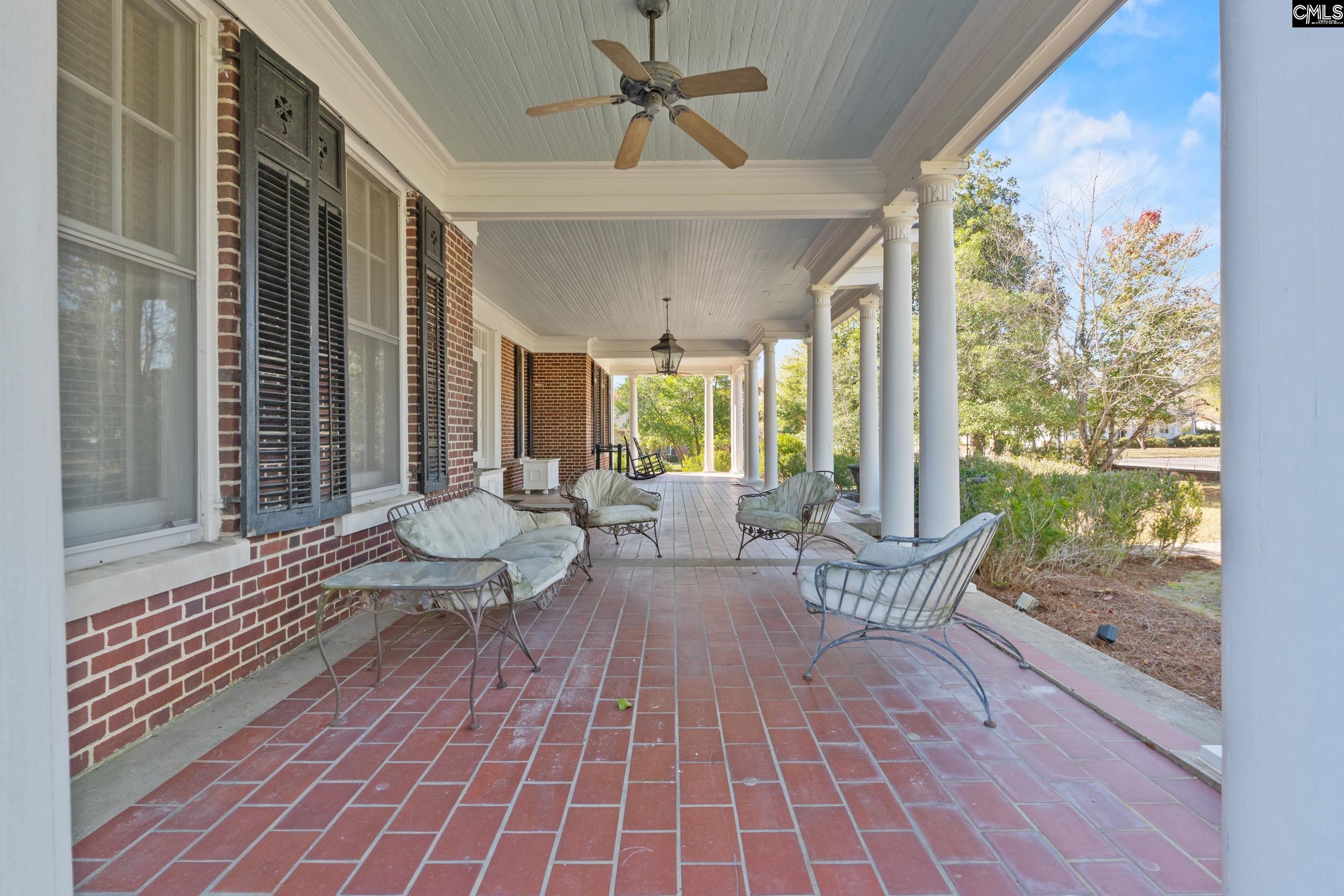
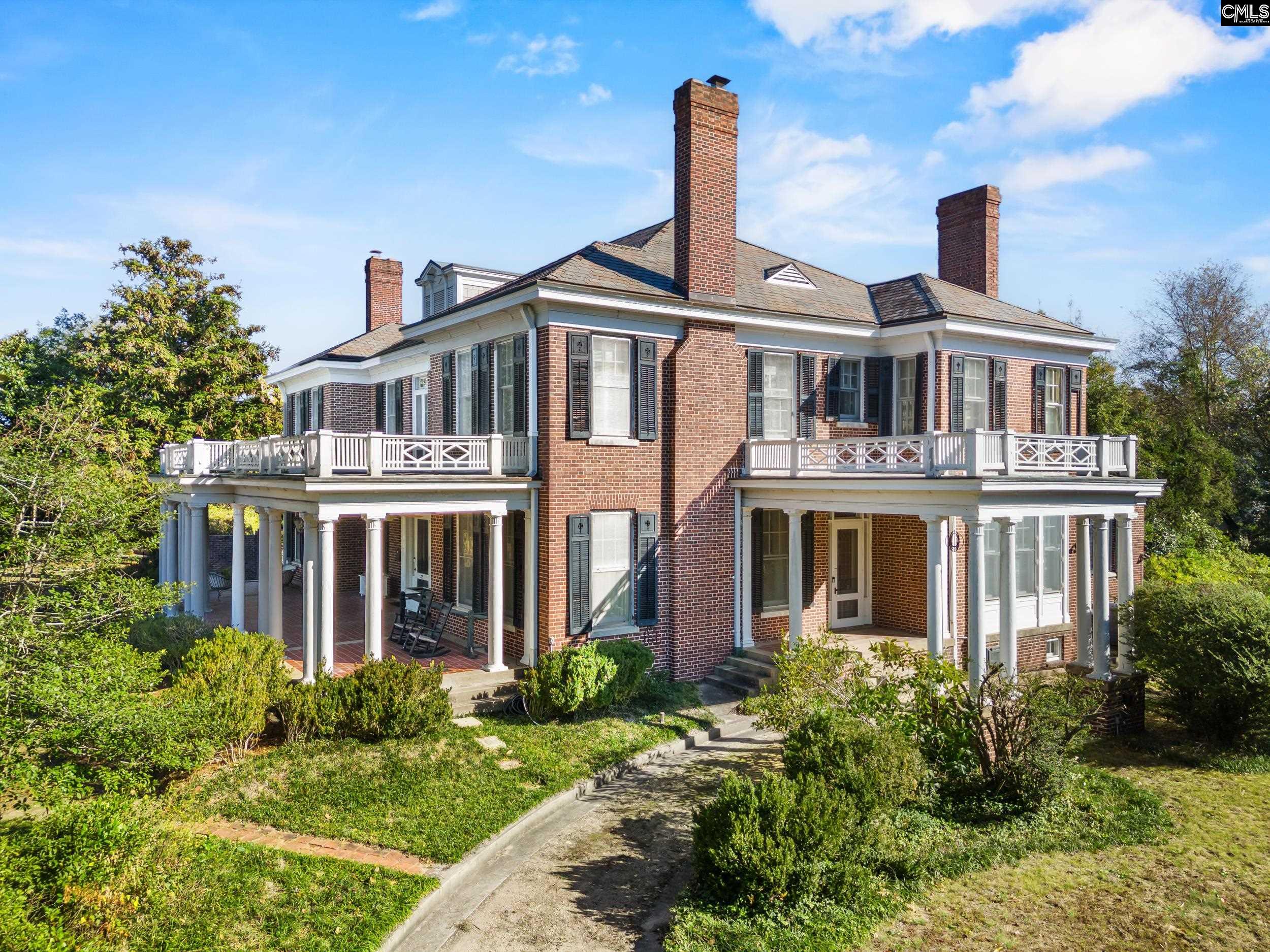
Steeped in South Carolina heritage, the John T. Stevens House stands as one of Lancaster County’s most architecturally significant and well-preserved historic residences. Built between 1910–1915, the home reflects the stature and influence of its original owner, John T. Stevens (1869–1950)—one of the region’s leading businessmen and a major figure in the cottonseed and cotton oil industry.

About John T. Stevens
Founder of the Kershaw Oil Mill, Lancaster Cotton Oil Company, and Marion Oil Company
President of the South Carolina Cotton Seed Crushers’ Association
Held major leadership roles in banking, communications, textiles, and railroads, including:
President of the Bank of Kershaw
President of the Kershaw Telephone Company
Vice President of the Kershaw Cotton Mill
Vice President of the Lancaster & Chester Railroad
The home’s architectural prominence and historic value are closely tied to Stevens’ regional importance.
Historic Names & Recognition
Also known as the Dr. Blackwell House in South Carolina’s statewide survey records.
Found under both 125 W. Richland St. and 225 W. Richland St., with the latter used for National Register documentation.
Acquired by the Blackwell family in 1975, who became the home’s dedicated stewards.
Preservation & Architectural Integrity
The original structure remains largely unchanged from its early 20th-century design.
Only two interior modifications were made:
The butler’s pantry was converted into a galley kitchen.
The original kitchen became a small family sitting room.
The Blackwells intentionally preserved the home’s elegant historic character while updating select interiors.
Furnishings are curated to reflect the period, inspired by the family’s deep appreciation for antiques and fine furniture.
Original Stevens Artifacts
A floor-to-ceiling mirror and the family dog’s travel case remain in the home.
The travel case, used when the Stevenses journeyed by train, speaks to the couple’s fondness for their beloved pet, as they had no children.
Life in the Home With the Blackwell Family
After nearly six decades of quiet living, the home became lively for the first time when the Blackwells raised their five children here.
Despite the home’s grand scale, the family embraced it as a warm, joyful place, complete with children riding bicycles inside the house on rainy days.
Architectural Distinction
Designed by the same architect who created the Kershaw Presbyterian Church.
Signature design motifs include the repeated use of diamonds and acorns, visible throughout:
Leaded glass windows and doors with distinctive curved patterns
Quarter-sawn oak floors framed with teakwood borders and diamond-patterned corners
Constructed with the finest materials, including a slate roof, elaborate plaster moldings, and handcrafted stained-glass windows.
Innovative features—remarkable for their time—include:
A central vacuum system (original to the home)
Running ice water in the butler’s pantry, supplied from the city ice plant Stevens owned
An electro-magnetic door release connected to the master bedroom
An underground gutter system engineered to carry rainwater away from the structure
Historic Gardens
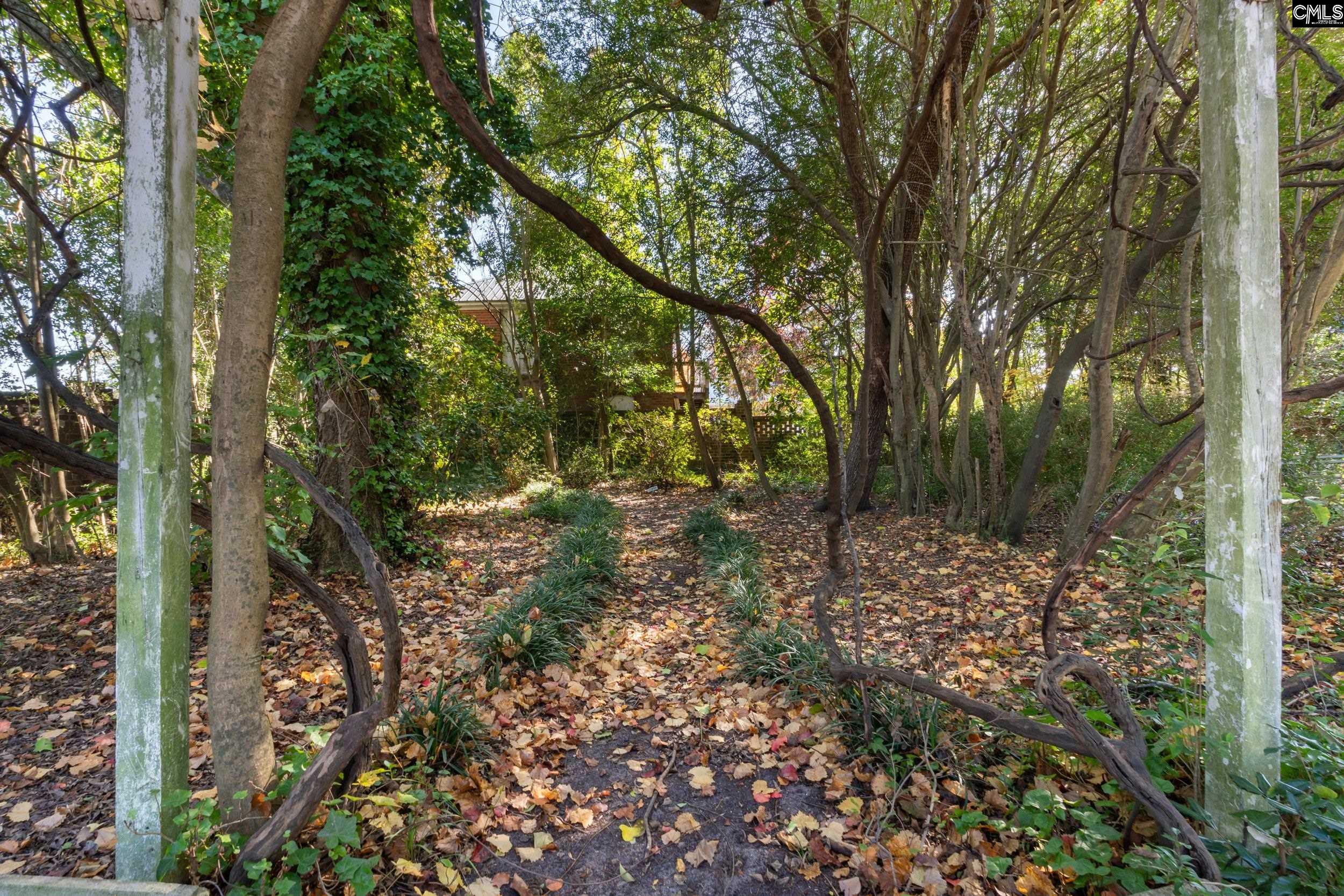
The grounds were designed by a New York landscape architecture firm known for their work across the Southeast.
Plantings featured species native to South Carolina, emphasizing natural beauty and regional authenticity.
The firm later designed many prominent gardens in Charlotte, N.C.
The pool—added decades later—was intentionally integrated into the footprint of the original formal gardens to preserve the historic layout.
Explore

56442
She and her family live in Camden, SC and is a Realtor with a focus on Luxury, Historic homes, and Equestrian Farms. She and her team earned the #1 Team in volume sold in 2023.
Show more
131235
She is one of Campbell & Company's Buying and Listing Specialists.
Show more